

How Our Factory Ensures Quality in Every Custom Rigid Box
In the custom packaging industry, rigid boxes are widely associated with premium positioning and high product value. Because of this, quality expectations for a custom rigid box are significantly higher than for standard folding cartons. Structural stability, surface precision, and finishing accuracy all contribute to how a brand is perceived by the end customer.
Ensuring reliable quality is not the result of a single inspection step, but the outcome of a manufacturing system designed to prevent defects before they occur. A professional custom rigid box factory achieves this through material discipline, process control, and systematic verification throughout production.
Material Discipline and Structural Accuracy Drive Product Reliability
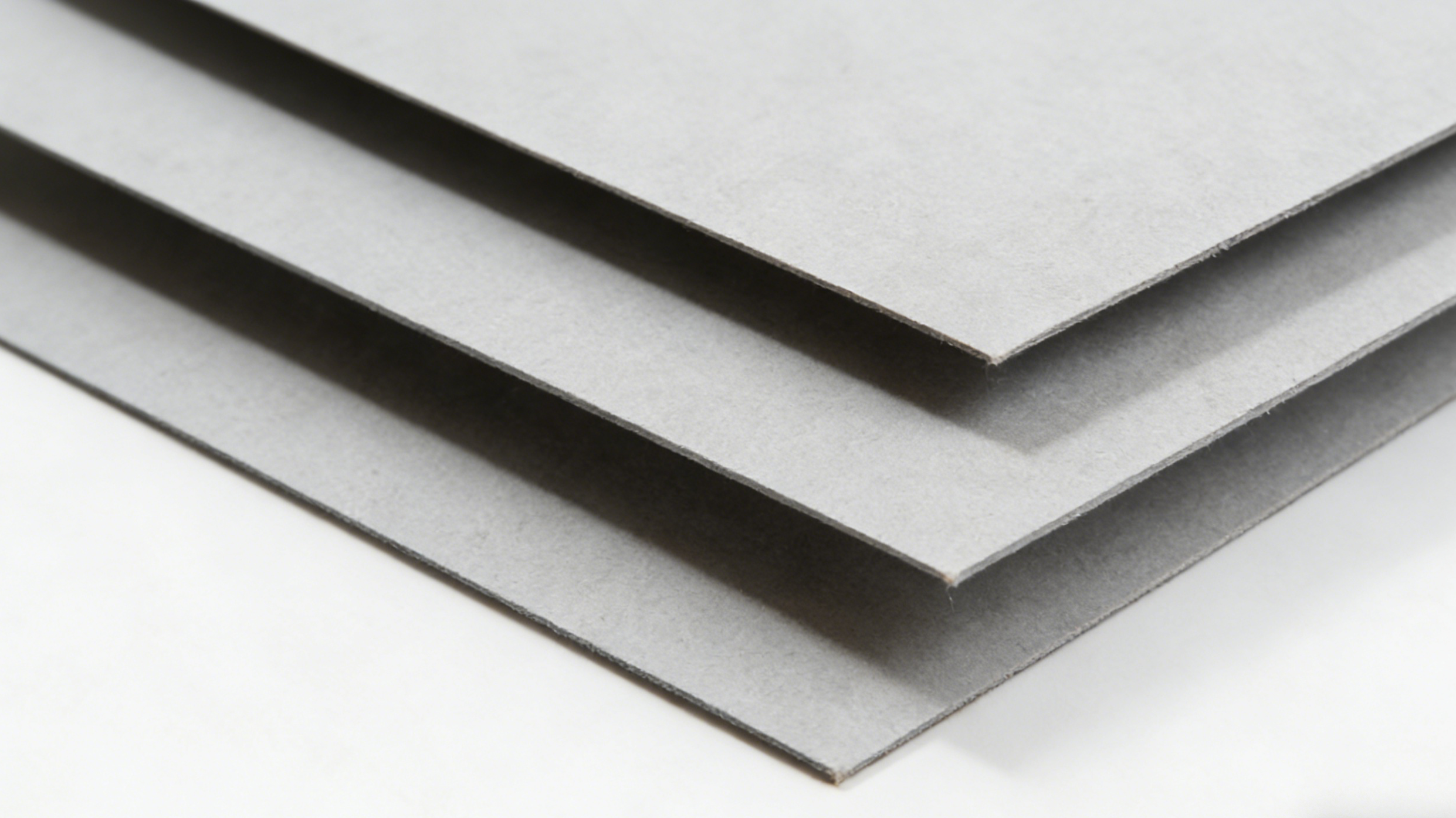
Every custom rigid box begins with its internal structure. The performance of the finished box depends heavily on the quality and consistency of the rigid board used during production. Variations in thickness or density can lead to soft edges, uneven surfaces, or long-term deformation.
To avoid these risks, board specifications are selected according to box dimensions, product weight, and intended usage. Structural strength is calculated rather than assumed, ensuring that the box maintains its shape during storage, transportation, and retail display. Overspecification is avoided to prevent unnecessary cost, while underspecification is eliminated to protect durability.
Precision cutting is equally important. Accurate panel dimensions allow clean assembly and sharp edges, which are visual indicators of quality in custom rigid box packaging. When structure and materials are controlled at this early stage, downstream defects are significantly reduced.
Process Control Ensures Consistency Across Every Production Stage
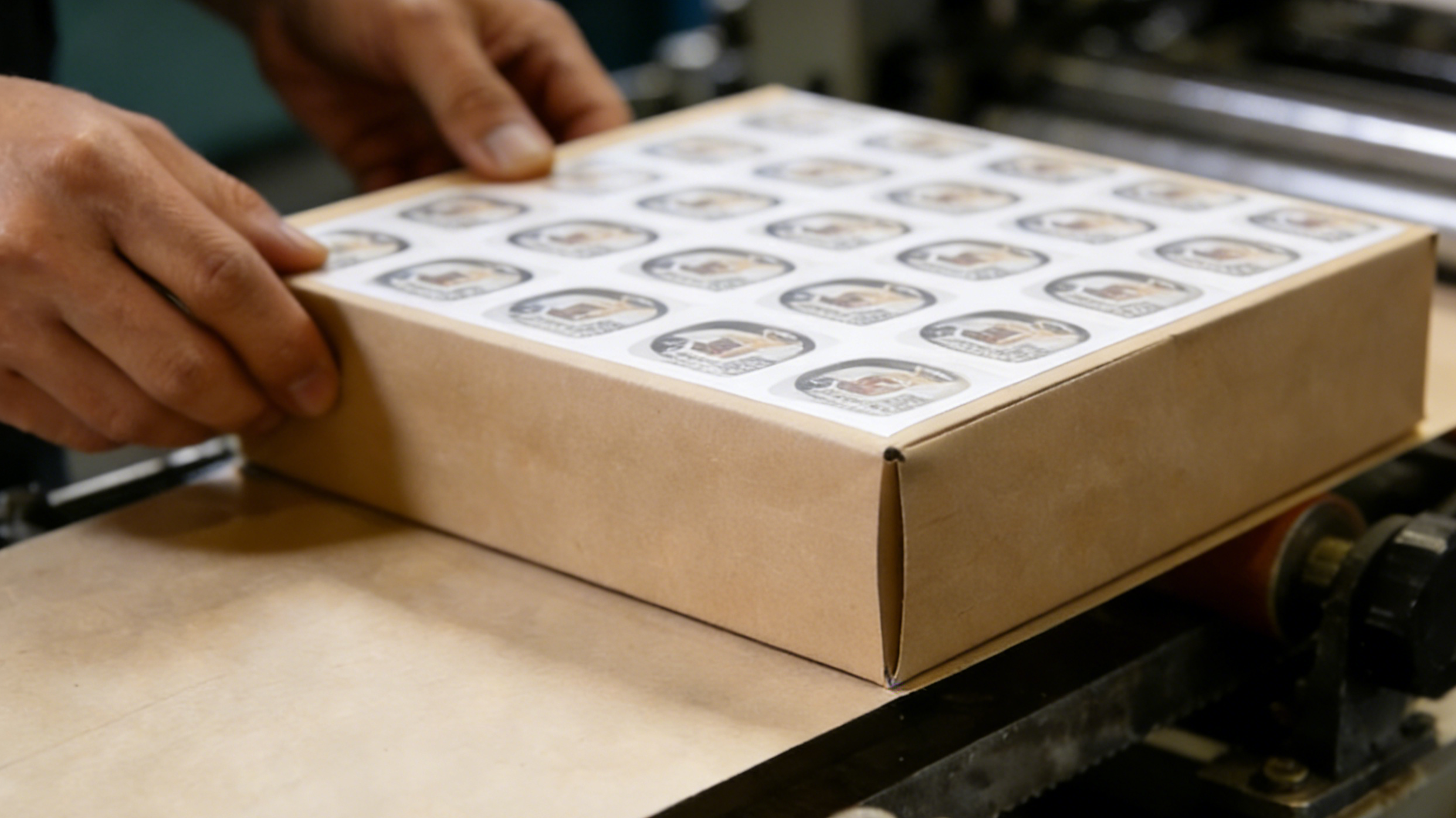
Large-scale custom rigid box production introduces challenges that small-batch manufacturing does not. Consistency becomes critical when thousands of boxes must match the same standard.
To achieve this, manufacturing follows clearly defined workflows. Each step—from board forming to paper wrapping and final assembly—is executed under controlled conditions. Adhesive application, wrapping tension, and corner folding techniques are regulated to produce smooth surfaces without bubbles, wrinkles, or exposed edges.
Decorative processes require equal precision. Finishing options such as foil stamping, embossing, debossing, or spot UV involve exact alignment and pressure control. Instead of adjusting during mass production, test samples are approved in advance to lock in visual results. This approach ensures that every custom rigid box within an order reflects the same appearance and craftsmanship.
Standardized processes reduce variability, shorten production cycles, and protect quality consistency across repeat orders.
Verification Through Multi-Level Inspection and Final Approval

Quality verification is integrated throughout production rather than reserved for the final stage. Intermediate inspections allow potential issues to be identified early, preventing large-scale defects and unnecessary rework.
During production, random checks are conducted to evaluate structure, surface condition, color accuracy, and finishing quality. These inspections confirm that production remains aligned with approved specifications.
Before shipment, completed custom rigid boxes undergo a final evaluation. This includes checking box strength, edge alignment, surface cleanliness, and overall presentation. Packaging methods for transport are also reviewed to ensure boxes are protected during delivery and arrive in optimal condition.
This layered inspection system creates accountability at every stage of production and supports long-term consistency for brands requiring stable packaging standards.
A Manufacturing Approach Built for Long-Term Quality
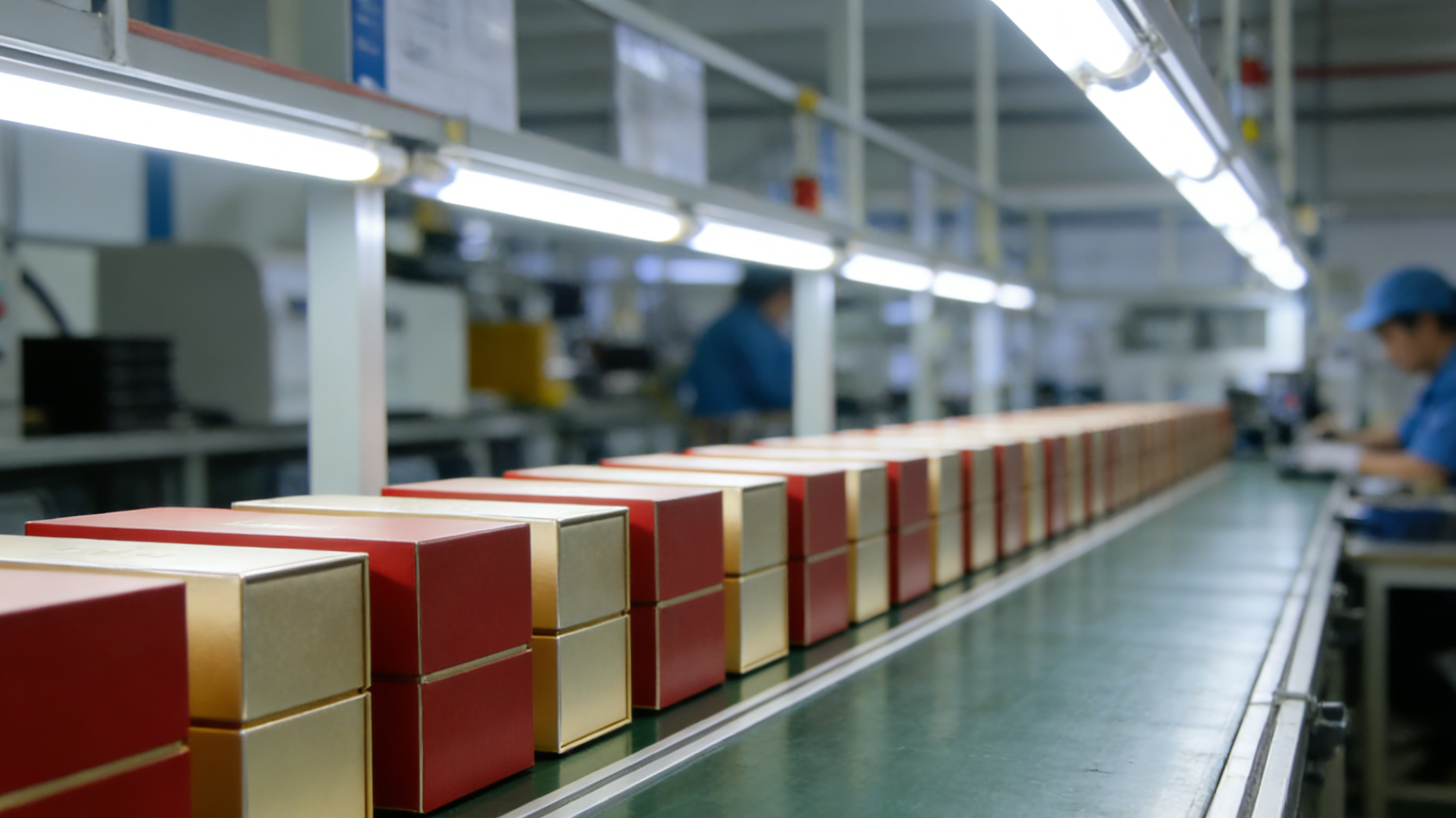
Quality in custom rigid box manufacturing is not a static goal. Equipment upgrades, process refinement, and workforce training are ongoing requirements in a competitive packaging market.
Modern factories also integrate sustainability into quality management by adopting recyclable boards, water-based adhesives, and environmentally responsible production practices. These measures improve efficiency while aligning with evolving brand and consumer expectations.
By focusing on prevention rather than correction, a professional factory ensures that quality is built into every custom rigid box—not added afterward.
Conclusion
High-quality custom rigid box packaging is the result of controlled systems, not chance. Material discipline, structured manufacturing, and continuous verification work together to deliver reliable results at scale.
For brands seeking dependable custom rigid box solutions, partnering with a factory that prioritizes process integrity and quality assurance is essential for maintaining brand value and market trust.