

Popular Rigid Box Structures and How to Choose the Right One
Rigid boxes are widely recognized as a premium packaging solution, commonly used for luxury products, electronics, cosmetics, gifts, and high-end retail items. Compared with folding cartons, rigid boxes offer superior strength, durability, and perceived value. However, not all rigid boxes are the same. Different rigid box structures serve different purposes, and choosing the right structure is essential for balancing aesthetics, functionality, cost, and user experience.
One of the most popular rigid box structures is the lift-off lid box, also known as a telescoping box. This structure consists of a base and a separate lid that fully or partially covers the bottom. It is commonly used for gift boxes, apparel packaging, and premium product sets. The simplicity of this structure makes it versatile and cost-effective while still offering a high-end appearance. Lift-off lid boxes are easy to customize with specialty paper, foil stamping, embossing, or soft-touch finishes, making them ideal for brands that want a clean and elegant presentation without complex mechanics.
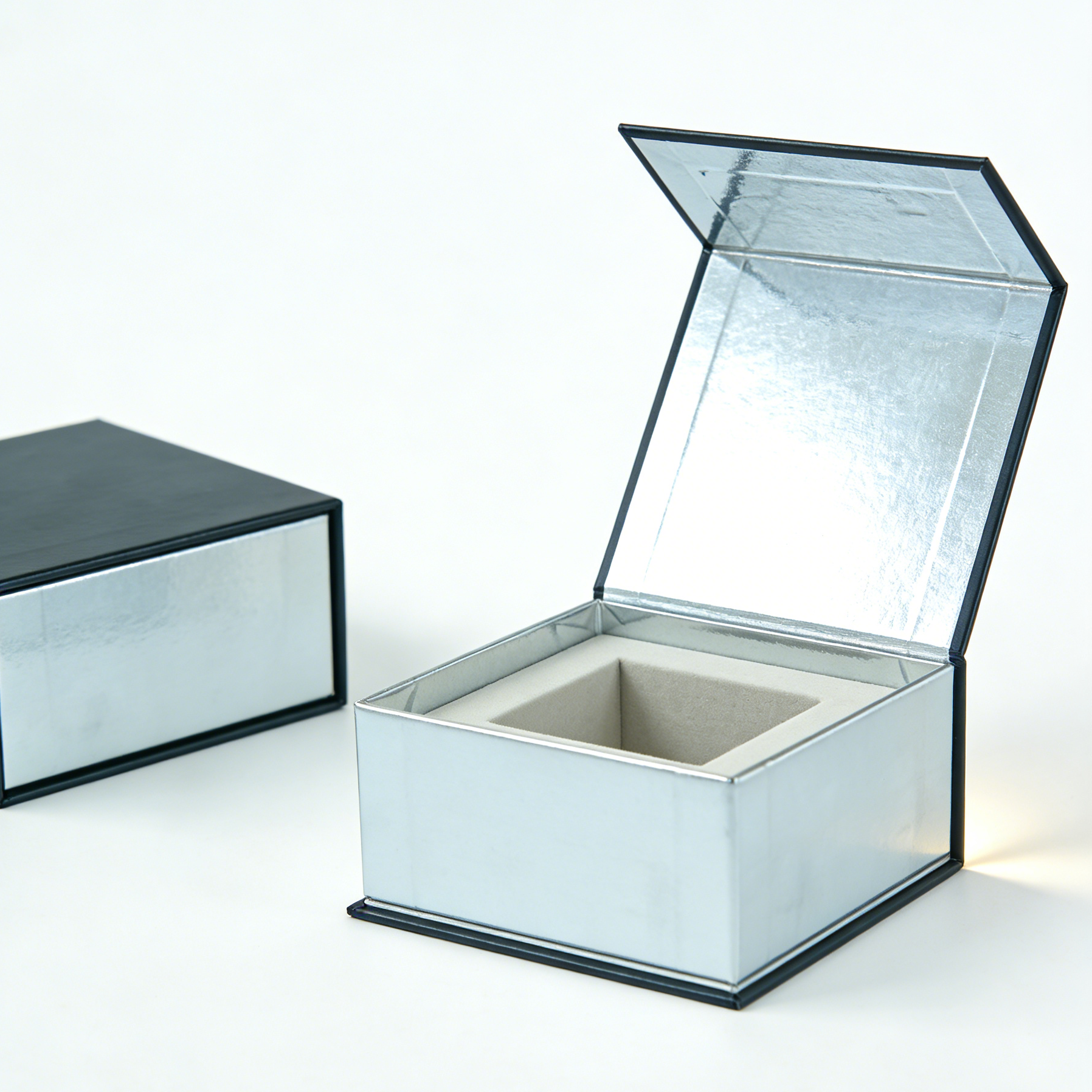
Another widely used structure is the magnetic closure rigid box. This design features a hinged lid with hidden magnets embedded in the flap, allowing the box to open and close smoothly. Magnetic rigid boxes are often associated with luxury branding due to their refined opening experience and strong visual impact. They are frequently used for cosmetics, electronics, promotional kits, and premium gifts. While magnetic boxes typically have a higher production cost than basic lift-off lid boxes, they provide excellent reusability and a memorable unboxing experience, which can enhance brand perception.
Drawer-style rigid boxes, also known as sliding boxes, are another popular option. This structure includes an outer sleeve and an inner drawer that slides out horizontally. Drawer rigid boxes are particularly effective for products that benefit from a layered or interactive opening experience. They are often used for jewelry, accessories, candles, and high-end food packaging. Ribbon pulls or finger notches are commonly added to improve usability and visual appeal. This structure works well when brands want to combine elegance with functionality while maintaining a compact form.
Book-style rigid boxes, sometimes called flip-top boxes, feature a hinged lid that opens like a book. This structure allows for large interior printing areas and creative design layouts. Book-style rigid boxes are frequently used for luxury apparel, corporate gift sets, and presentation boxes. The hinged design provides a stable opening and closing experience, making it ideal for products that need to be displayed neatly inside the box. Additional features such as magnetic closures or ribbon holders can further enhance both aesthetics and functionality.
When choosing the right rigid box structure, product characteristics should be the starting point. Size, weight, fragility, and shape all influence which structure will perform best. Heavier or fragile products often require a more secure and rigid structure with inserts, while lightweight items allow for more flexibility in design. The opening method should also align with how the product will be used or presented, especially for retail or gifting scenarios.
Brand positioning is another critical factor. Luxury brands often prioritize unboxing experience and visual storytelling, making magnetic or book-style rigid boxes more suitable. Brands focused on efficiency and scalability may prefer lift-off lid boxes due to their simpler construction and lower tooling costs. Consistency with overall brand identity, including colors, materials, and finishes, helps ensure that the rigid box supports the brand message rather than distracting from it.
Cost considerations play an important role as well. While rigid boxes are inherently more expensive than folding cartons, different structures have different cost implications. Complex designs, additional hardware, and manual assembly can increase unit costs, especially for large volumes. Selecting a structure that balances design goals with production efficiency is essential for long-term sustainability.
Sustainability is becoming increasingly important in rigid box selection. Many brands now choose recyclable paperboard, water-based adhesives, and minimal plastic components. Certain structures are more eco-friendly than others, particularly those that avoid magnets or mixed materials. Choosing a rigid box structure that aligns with environmental goals can improve brand credibility and meet market expectations.
In conclusion, understanding popular rigid box structures and how they function helps brands make informed packaging decisions. The right rigid box structure enhances product protection, reinforces brand identity, and creates a positive customer experience. By carefully evaluating product needs, brand positioning, cost, and sustainability, businesses can select a rigid box solution that delivers both visual impact and practical value.