

Eco-Friendly Rigid Box Packaging: Materials, Design, and Sustainability
Eco-friendly rigid box packaging has become an essential choice for brands seeking premium presentation while reducing environmental impact. As sustainability continues to influence purchasing decisions across global markets, rigid box packaging is no longer judged solely by appearance and durability, but also by the materials used and the environmental responsibility behind its production.
Rigid boxes, also known as set-up boxes, are widely used for packaging luxury goods, electronics, cosmetics, jewelry, and gifts. Traditionally associated with high-end branding, rigid boxes are now evolving to meet eco-friendly standards without sacrificing quality or aesthetics.
Sustainable Materials in Eco-Friendly Rigid Box Packaging
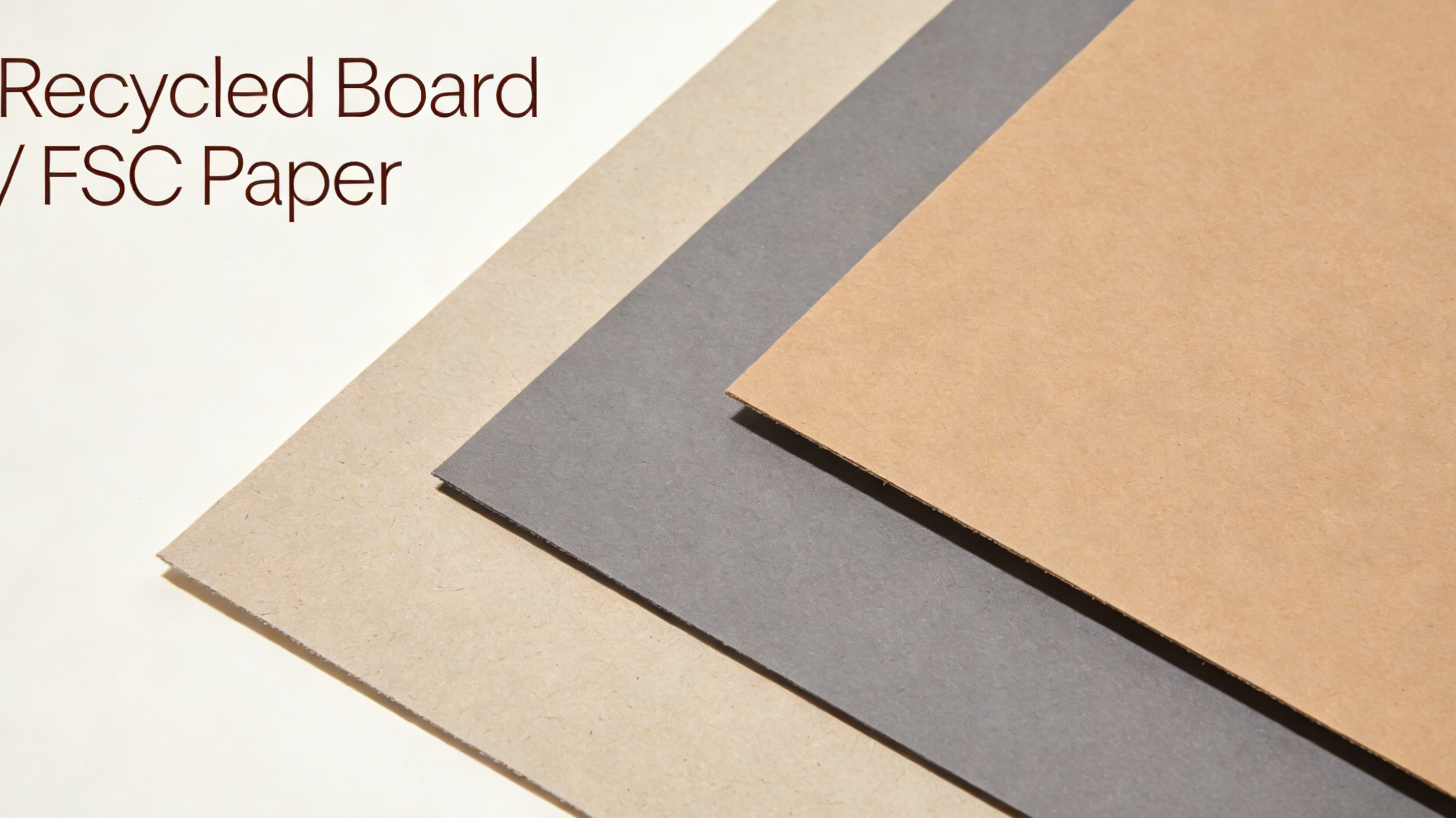
The foundation of eco-friendly rigid box packaging lies in the selection of materials. Most sustainable rigid boxes are made from recycled paperboard or responsibly sourced cardboard, which provides the structural strength required while minimizing the use of virgin materials. High-density recycled greyboard remains a popular option due to its durability and recyclability.
Outer wrapping materials also play a critical role in sustainability. Instead of laminated plastic films, eco-friendly rigid boxes increasingly use recyclable paper wraps, FSC-certified specialty papers, or water-based coated papers. These alternatives maintain a premium look while ensuring the packaging remains recyclable after use.
Inks and adhesives are often overlooked but are equally important. Soy-based or water-based inks reduce harmful emissions during printing, while eco-friendly adhesives allow rigid boxes to be easily separated and recycled. Together, these material choices significantly reduce the environmental footprint of rigid box packaging.
Eco-Conscious Design Without Compromising Quality
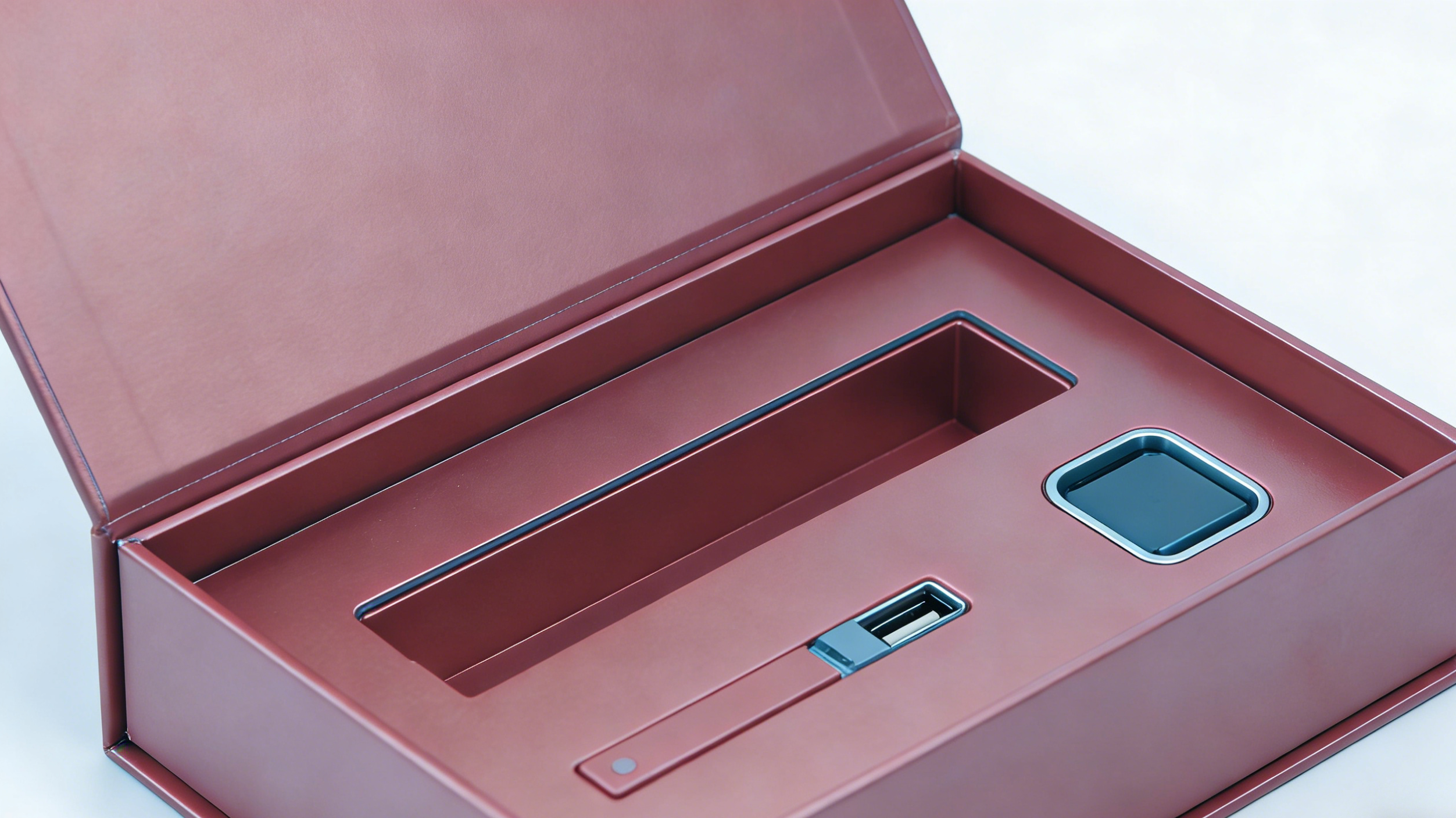
Design is a defining feature of rigid box packaging, especially for brands focused on premium positioning. Sustainable rigid box design prioritizes efficiency alongside aesthetics. Proper sizing eliminates unnecessary material usage and reduces shipping volume, contributing to lower carbon emissions throughout the supply chain.
Minimalist design trends have further supported sustainability efforts. Clean layouts, limited color palettes, and thoughtful typography reduce ink consumption while enhancing visual appeal. Structural design choices such as magnetic closures, ribbon pulls, or drawer-style boxes can still be incorporated using eco-friendly components, ensuring the unboxing experience remains engaging.
Another important aspect of design is reusability. Well-designed eco-friendly rigid box packaging encourages consumers to reuse boxes for storage or gifting, extending the lifecycle of the packaging and reinforcing brand value long after the initial purchase.
The Role of Sustainability in Brand Perception
Eco-friendly rigid box packaging sends a strong message to consumers about a brand’s values. As customers become more environmentally conscious, packaging is increasingly viewed as part of the product itself. Brands that invest in sustainable rigid boxes demonstrate responsibility, transparency, and long-term thinking.
In many markets, especially in luxury and premium segments, sustainability enhances brand credibility rather than diminishing perceived value. High-quality materials combined with eco-conscious production methods allow brands to meet environmental expectations while maintaining a refined image.
Moreover, sustainable rigid box packaging supports compliance with international environmental standards and retail requirements. As regulations around packaging waste continue to evolve, choosing eco-friendly solutions helps brands stay prepared for future changes.
Why Eco-Friendly Rigid Box Packaging Is the Future
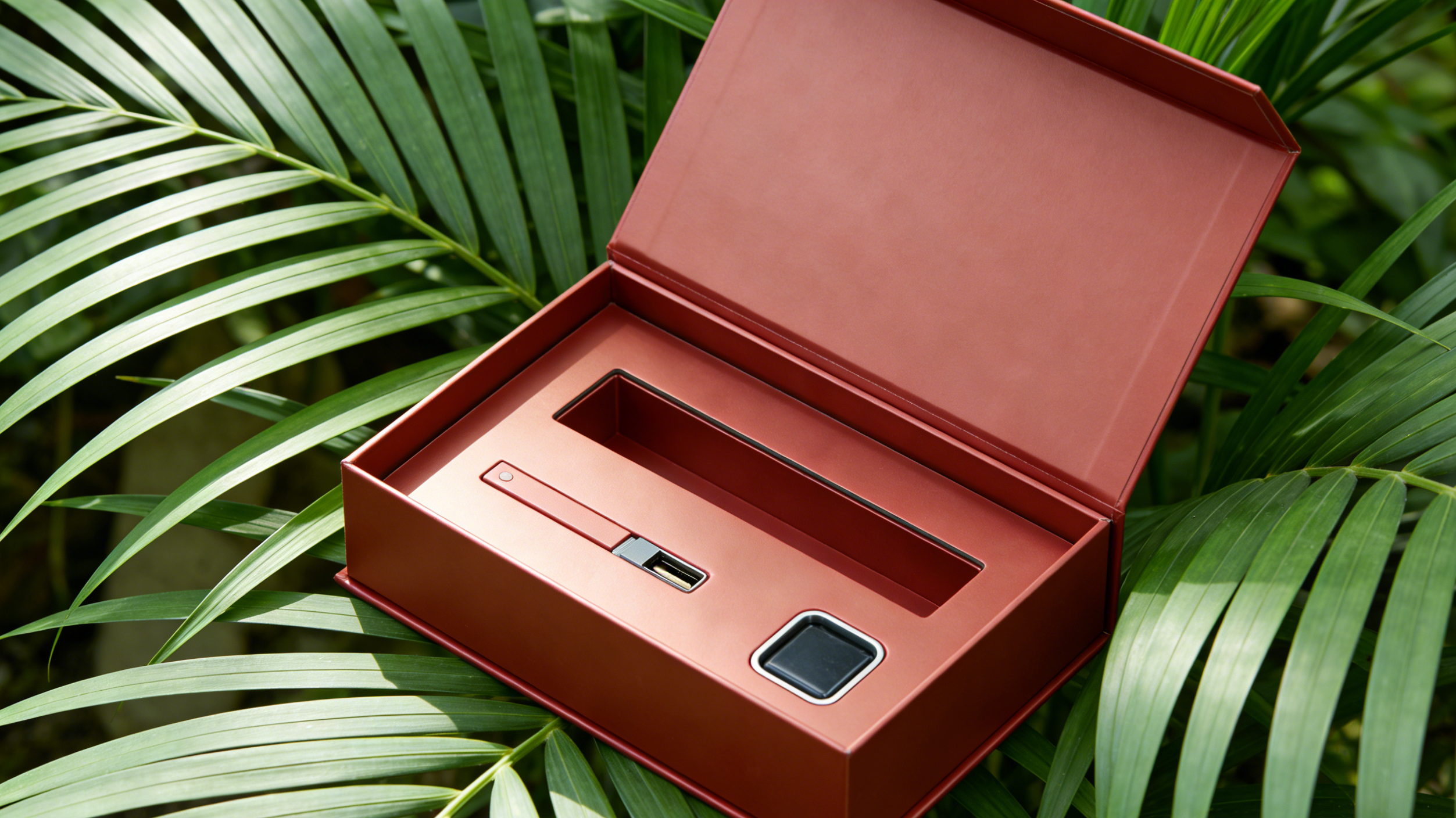
The future of rigid box packaging lies in balancing luxury, functionality, and sustainability. Advances in material innovation and manufacturing processes continue to expand the possibilities for eco-friendly rigid boxes. From fully recyclable constructions to biodegradable components, sustainable packaging is no longer a niche option but an industry standard.
As global supply chains become more transparent, brands are expected to consider the full lifecycle of their packaging. Eco-friendly rigid box packaging aligns with these expectations by reducing waste, improving recyclability, and supporting responsible sourcing.
Ultimately, choosing sustainable rigid box packaging is not just an environmental decision, but a strategic one. It allows brands to deliver a premium unboxing experience while meeting modern sustainability goals and strengthening long-term brand trust.