

Custom Rigid Box Wholesale: MOQ, Lead Time, and Pricing Explained
Rigid boxes are widely used in premium packaging for cosmetics, electronics, jewelry, gift sets, and luxury retail products. Their sturdy structure, high-end appearance, and strong customization potential make them a preferred choice for brands that value both protection and presentation. When sourcing custom rigid box wholesale, three key factors directly influence purchasing decisions: minimum order quantity (MOQ), production lead time, and pricing structure. Understanding how these elements work helps businesses plan budgets, timelines, and inventory more effectively.
MOQ is one of the most common concerns in wholesale rigid box orders. Unlike folding cartons, rigid boxes require more complex manual and semi-automatic processes, including board cutting, wrapping, gluing, and finishing. Because of this labor-intensive production method, factories typically set higher MOQs to ensure manufacturing efficiency and cost control. Smaller quantities increase unit costs significantly due to material preparation, machine setup, mold creation, and printing calibration. For standard rigid box styles such as magnetic closure boxes, drawer boxes, and hinged boxes, minimum order quantities typically range from a few hundred to a few thousand pieces, depending on size, construction, and surface finish requirements. Businesses ordering higher volumes benefit from economies of scale, resulting in more competitive per-unit pricing.
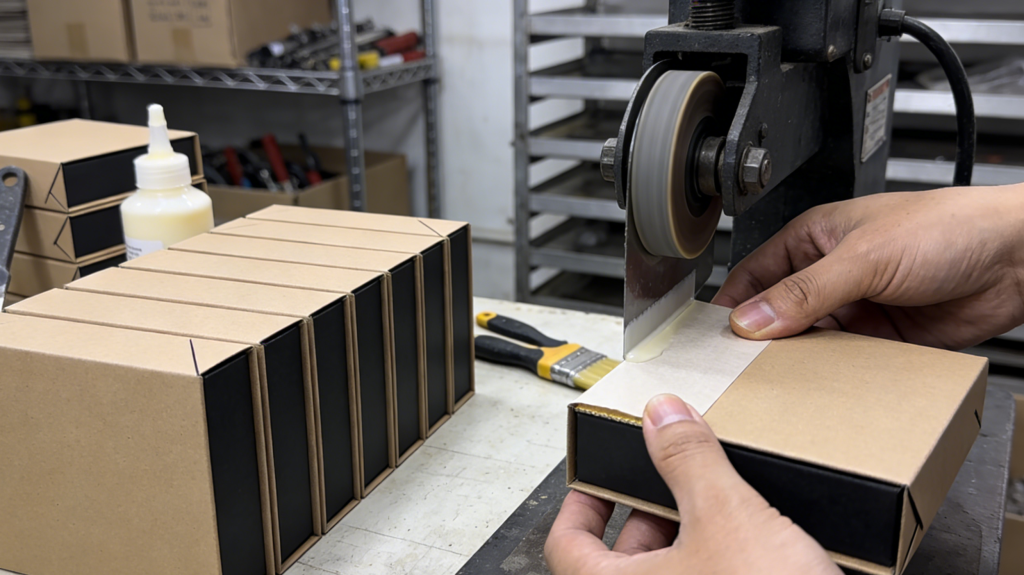
Lead time is another critical factor in custom rigid box wholesale. Production involves multiple stages, including structural engineering, material sourcing, sample approval, printing, lamination, die-cutting, manual assembly, quality inspection, and packaging. Each stage adds to the timeline, especially when custom elements such as special paper textures, embossing, foil stamping, or inserts are involved. Typical production lead times range from 15 to 30 days after sample confirmation, while complex designs or peak seasons may extend timelines. Shipping time must also be considered, particularly for international orders. Proper planning and early design confirmation help avoid delays and ensure packaging is ready for product launches or promotional campaigns.
Pricing for custom rigid boxes is influenced by a combination of structural, material, and finishing choices. Box dimensions and board thickness determine the base material cost. Larger or thicker boxes consume more greyboard and wrapping paper, increasing overall expenses. Printing methods also play a significant role. CMYK printing is standard and cost-effective, while Pantone matching, metallic inks, or specialty coatings add to the budget. Surface treatment options such as matte or glossy coatings, soft-touch coatings, UV coatings, and scratch-resistant films can enhance aesthetics and durability while also impacting cost.
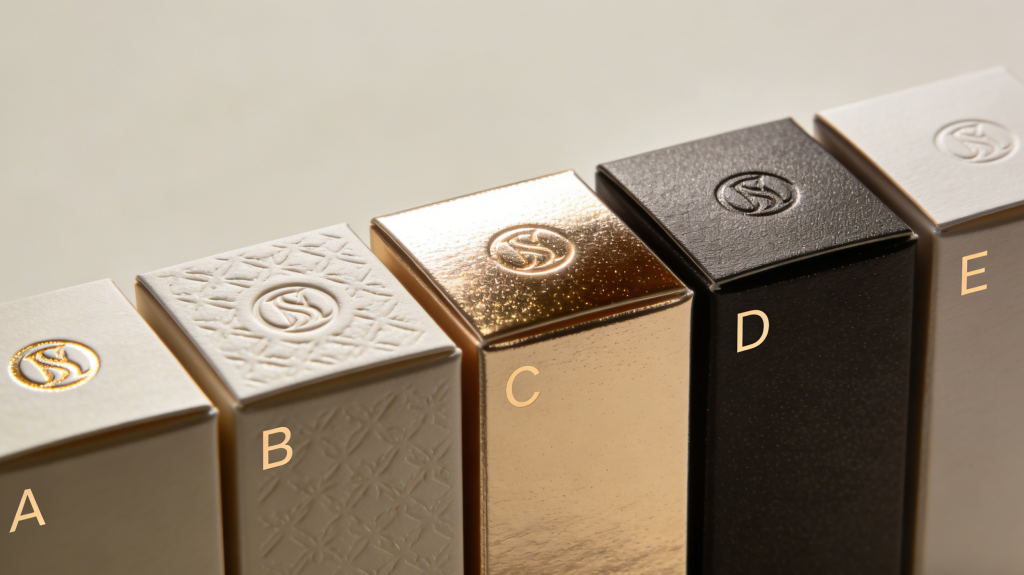
Special decorative processes further impact pricing. Foil stamping, embossing, debossing, spot UV, magnetic closures, ribbon pulls, custom inserts, and window cut-outs enhance brand presentation but require additional tooling, manual labor, and setup time. Insert materials like EVA foam, sponge, molded pulp, or paperboard dividers, also change the cost structure. Sustainable material options, such as FSC-certified paper or biodegradable inserts, may slightly increase pricing but add value for environmentally conscious brands.
Another important factor is packaging design complexity. Unique structures require engineering development and prototype testing, which may involve mold or die creation costs. Simple structures generally keep pricing more controlled, while intricate designs deliver stronger shelf impact but come at a premium. Businesses must balance visual appeal with budget efficiency.
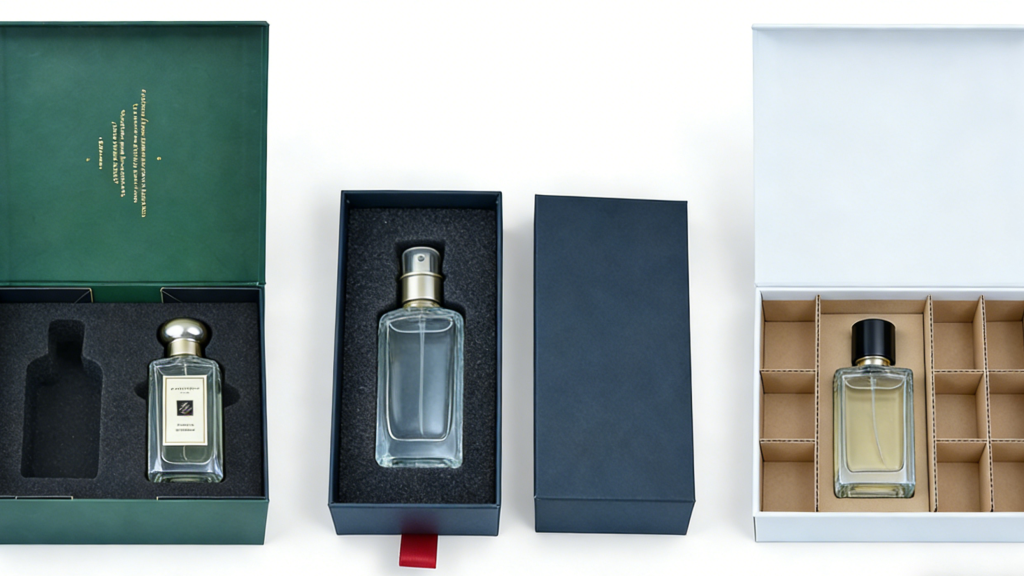
For wholesale buyers, working with an experienced rigid box manufacturer helps optimize design for cost efficiency without sacrificing quality. Professional suppliers often suggest material substitutions, structural adjustments, or finishing alternatives that maintain a luxury appearance while reducing unnecessary expenses. Transparent communication about budget range, target quantity, and deadline allows suppliers to recommend the most suitable production solutions.
In summary, MOQ affects unit cost, lead time determines supply chain reliability, and pricing is shaped by size, materials, printing, finishing, and structural complexity. Careful planning and collaboration with a skilled manufacturer ensure that custom rigid box wholesale projects stay on schedule, within budget, and aligned with brand positioning.