

Rigid Box Packaging Trends to Watch in the Coming Years
Rigid box packaging continues to evolve as brands seek stronger visual identity, better product protection, and more meaningful customer experiences. In premium markets, packaging is no longer just a container—it is a strategic branding tool. As consumer expectations rise and global retail environments become more competitive, several key trends are shaping the future of rigid box packaging across industries such as cosmetics, electronics, jewelry, confectionery, and luxury gifts.
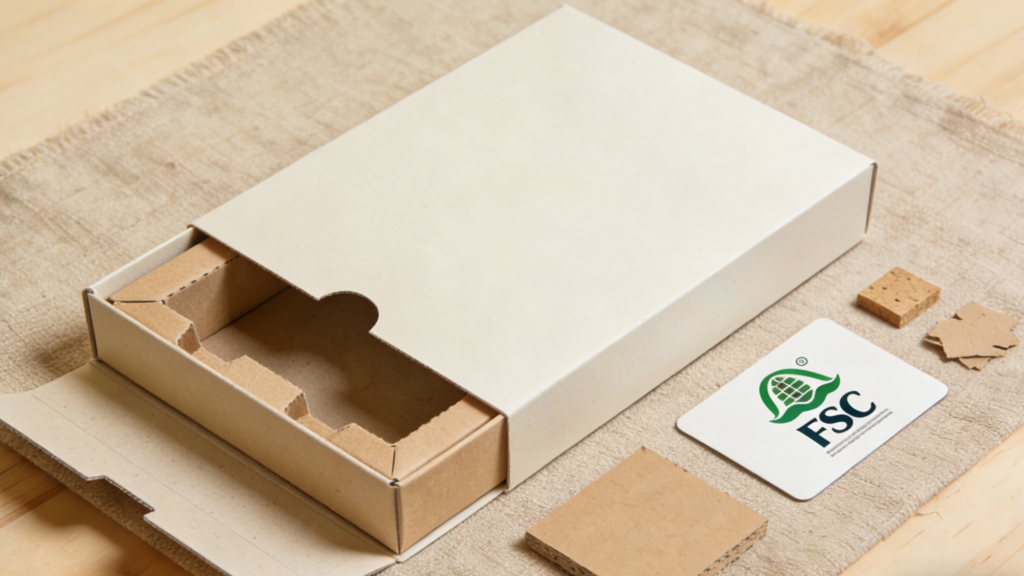
One of the most influential trends is the growing demand for sustainable rigid packaging solutions. Environmental responsibility has become a priority for both brands and consumers, pushing manufacturers to rethink traditional materials and production methods. Rigid boxes are increasingly produced using recycled greyboard, FSC-certified paper, biodegradable wraps, and water-based inks. Structural optimization is also gaining attention, where designers reduce unnecessary material layers while maintaining strength and a premium feel. Sustainable rigid boxes are no longer viewed as a compromise in luxury; instead, eco-conscious design has become part of modern brand storytelling and corporate image.
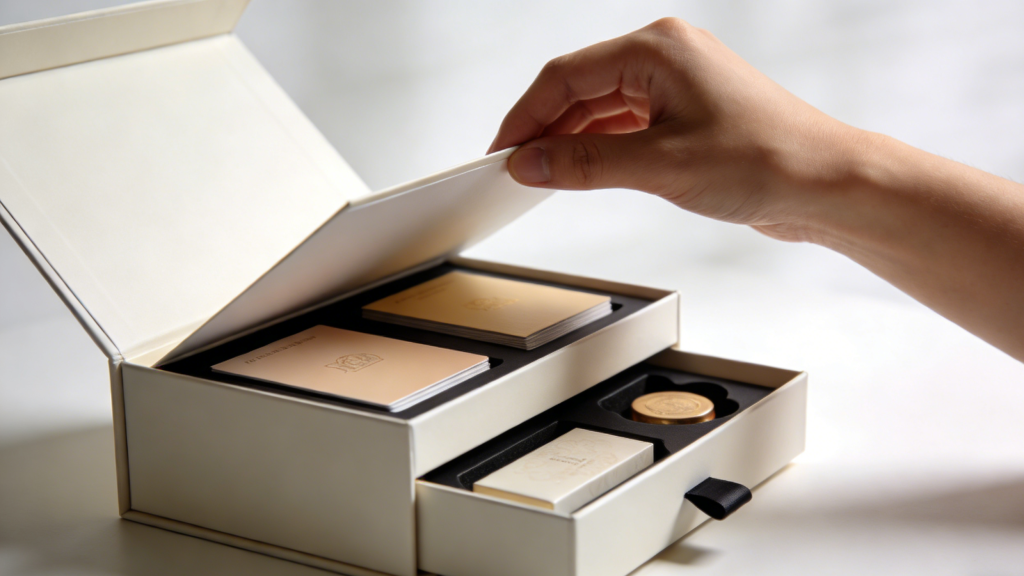
Another major development in rigid box packaging trends is the rise of experiential and interactive packaging. Brands are focusing on the unboxing moment as a core part of the customer journey. Magnetic closures, drawer-style openings, layered reveals, and hidden compartments transform rigid boxes into memorable experiences rather than simple storage. At the same time, digital integration is expanding. QR codes, NFC chips, and augmented reality features connect physical packaging to digital content, allowing customers to access brand stories, authentication systems, or promotional campaigns. This blend of physical luxury and digital engagement is expected to grow significantly in the coming years.
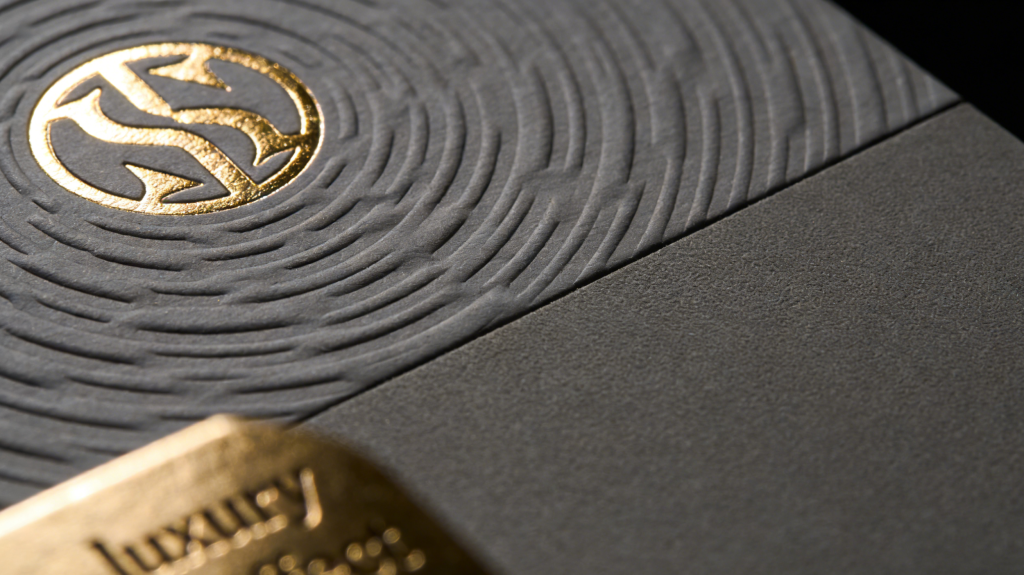
Visual sophistication continues to define high-end rigid packaging. Advanced finishing techniques are being used more strategically rather than excessively. Soft-touch lamination, spot UV, hot foil stamping, embossing, and textured specialty papers are combined to create subtle yet impactful sensory effects. Minimalist design with refined details is replacing overly complex graphics. Neutral tones, monochrome palettes, and tactile contrasts give rigid boxes a modern, premium aesthetic that appeals to global markets. As brands compete for shelf attention and social media visibility, a visually distinctive rigid box design plays a crucial role in perceived product value.
Material innovation is another trend influencing rigid box development. Beyond traditional chipboard structures, new combinations of molded pulp inserts, paper-based cushioning, and fabric-lined interiors are being introduced. These materials enhance protection while aligning with sustainability goals. Lightweight structural engineering is also becoming important, especially for e-commerce packaging. Brands need rigid boxes that retain their luxury appearance while reducing shipping weight and logistics costs. As online retail continues expanding, packaging must perform both as a premium presentation tool and a protective shipping solution.
Customization and limited-edition packaging are gaining importance as brands aim to connect more personally with consumers. Short-run digital printing and variable design elements allow rigid boxes to be adapted for seasonal campaigns, collaborations, and special events. Personalized rigid packaging creates exclusivity and strengthens emotional connection with customers. This trend is particularly strong in beauty, lifestyle, and gift markets, where packaging often influences purchasing decisions as much as the product itself.
Functionality and reusability are also shaping future rigid box packaging trends. Consumers increasingly appreciate packaging that can be repurposed for storage or display. Durable, rigid boxes with elegant construction are often kept rather than discarded, extending brand exposure in homes and offices. This long-term usability supports sustainability messaging and enhances brand recall.
The global rigid box market is expected to grow as brands continue investing in premium packaging to differentiate products in saturated markets. Companies that align with trends such as sustainable materials, interactive experiences, refined aesthetics, structural innovation, and personalized design will remain competitive. Rigid boxes are evolving from protective packaging into strategic brand assets that combine functionality, environmental awareness, and luxury appeal.