

Drawer Style Rigid Boxes Explained: Design, Function, and Branding Value
Cardboard boxes with drawers, also known as pull-out boxes or matchboxes, have become a high-quality packaging choice for various industries, including luxury cosmetics, electronics, and gifts. Their distinctive structure, durable construction, and high-end presentation make them one of the most effective forms of custom rigid packaging for brands seeking both protection and strong visual impact.
Unlike folding cartons, drawer-style rigid boxes are made from thick paperboard wrapped in printed or textured paper, giving them exceptional strength and a refined appearance. The design consists of two main components: an outer sleeve and an inner tray that slides smoothly in and out. This functional structure not only protects products during storage and transportation but also creates an interactive unboxing experience that enhances perceived value. Consumers often associate sliding box mechanisms with exclusivity, making them especially suitable for premium or limited-edition products.
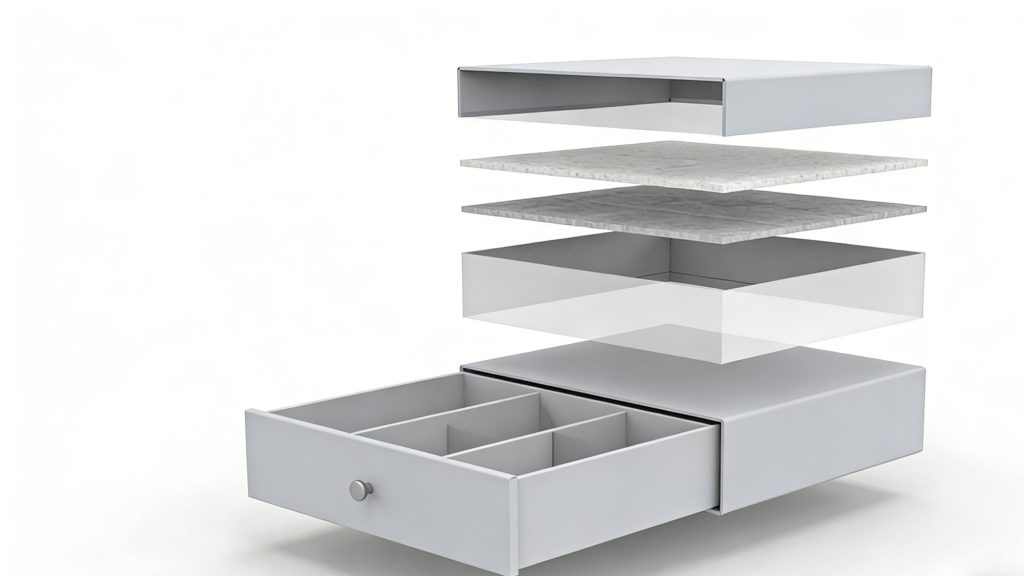
Design flexibility is one of the strongest advantages of drawer-style rigid boxes. The outer sleeve can be customized with a wide range of printing techniques, specialty papers, and finishing effects. Matte lamination offers a modern, understated look, while gloss coatings create vibrancy and visual depth. Textured papers add tactile richness, and specialty finishes, such as foil stamping or embossing, can effectively highlight logos and brand marks. Because of the rigid structure, these finishing elements remain crisp and durable over time, ensuring the packaging continues to represent the brand long after purchase.
Functionality is equally important. The sliding mechanism allows for controlled product presentation, which is particularly valuable for delicate or high-value items. Inserts made from foam, cardboard, or molded pulp can be added to secure products firmly inside the tray, preventing movement and damage. Magnetic ribbons, pull tabs, or thumb notches can also be integrated into the design to improve usability. These structural details not only enhance convenience but also communicate thoughtful craftsmanship, reinforcing customer trust in the brand.
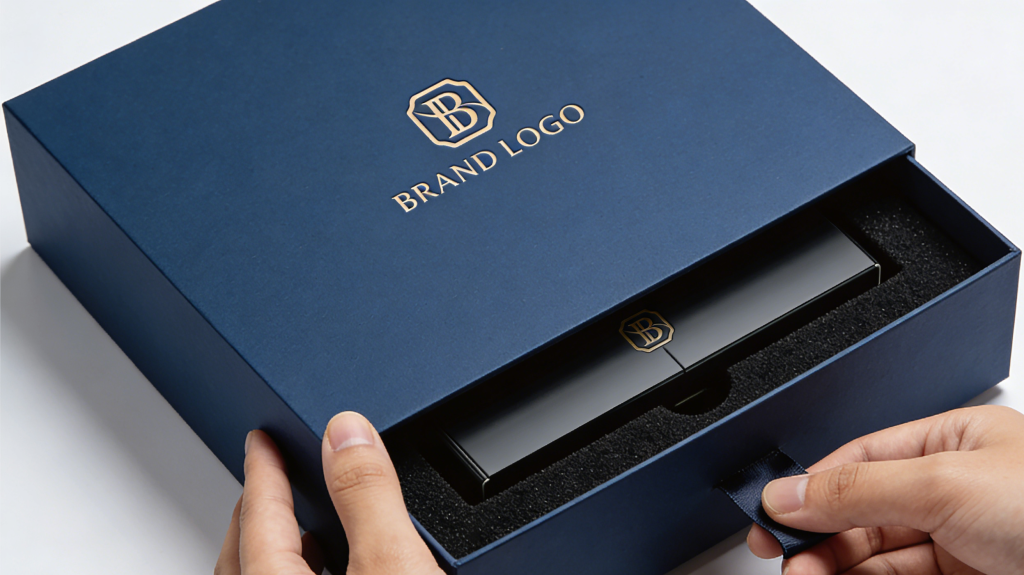
Branding value is where drawer-style rigid boxes truly stand out. Packaging is often the first physical interaction between a customer and a product, and a well-designed box can immediately communicate quality and professionalism. The smooth sliding motion creates anticipation, turning the simple act of opening a package into a memorable experience. This emotional engagement strengthens brand recall and encourages customers to keep the box for storage or display, extending brand exposure beyond the initial purchase.
Sustainability considerations have also influenced the popularity of drawer-style rigid boxes. Many manufacturers now offer eco-friendly paper materials, recyclable cardboard, and soy inks that meet modern environmental expectations. When designed responsibly, rigid boxes can combine luxury aesthetics with sustainable values, allowing brands to appeal to environmentally conscious consumers without sacrificing presentation quality.
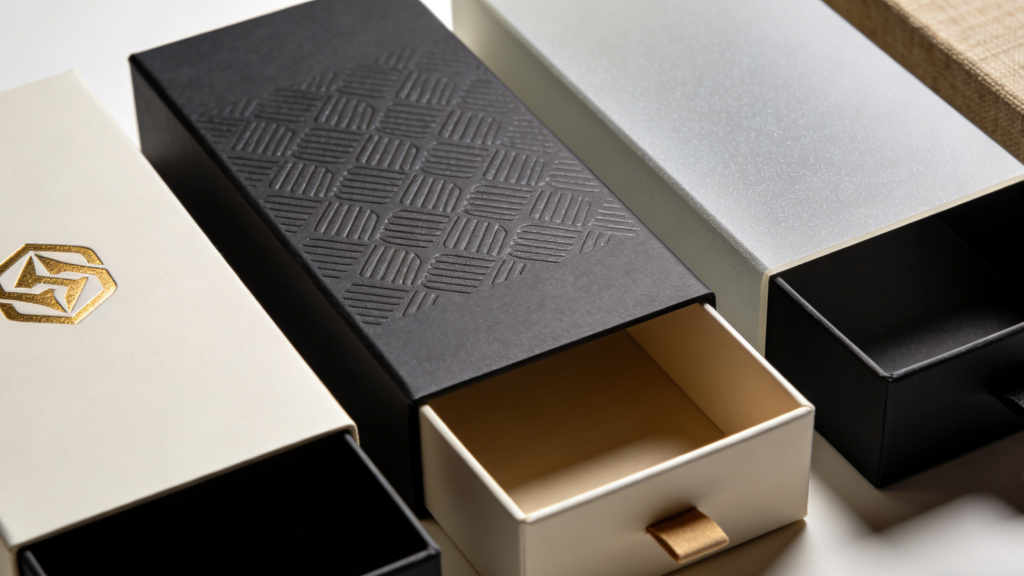
Another reason for their widespread adoption is versatility. Drawer-style rigid boxes can be tailored to virtually any product category, including jewelry, skincare sets, confectionery, apparel accessories, promotional kits, and corporate gifts. Their adaptable dimensions and structural strength allow them to accommodate items of different shapes and weights while maintaining a consistent premium appearance. This makes them a reliable packaging solution for brands that prioritize both protection and presentation.
In a competitive retail and e-commerce landscape, packaging must do more than contain a product; it must communicate identity, value, and differentiation. Drawer-style rigid boxes achieve this by combining elegant design, durable construction, and a tactile user experience. When executed thoughtfully, they become more than packaging—they become part of the product itself, reinforcing brand perception and elevating customer satisfaction.