

Common Printing Mistakes to Avoid in Rigid Box Packaging
Rigid box packaging is widely associated with premium branding, product protection, and a refined customer experience. However, even the most carefully engineered box structure can lose its impact if printing mistakes occur during production. Printing errors not only affect visual quality but also weaken brand perception, reduce shelf appeal, and increase production costs due to reprints or material waste. Understanding the most common printing mistakes in rigid box packaging helps brands, designers, and manufacturers ensure consistent quality and professional presentation.
One frequent issue arises from incorrect color setup. Many packaging designs are created in RGB color mode instead of CMYK, which is the standard for print production. RGB colors often appear brighter on screens but cannot be reproduced accurately in printing. This mismatch can lead to dull or shifted colors on the final rigid box. Accurate color proofing, Pantone matching, and test prints are essential to ensure brand colors remain consistent across packaging batches.
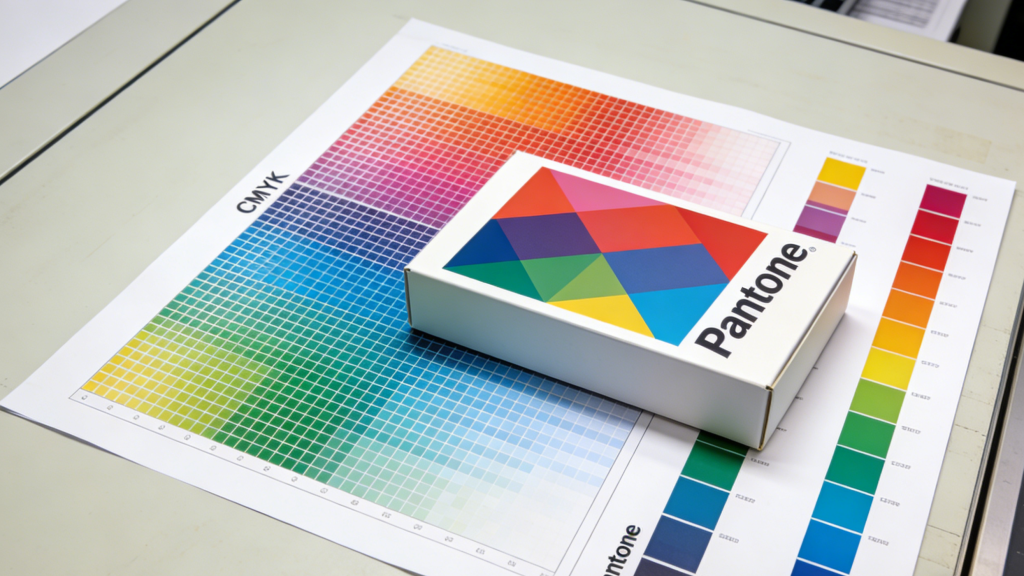
Another common mistake involves low-resolution artwork files. Images that look sharp on a monitor may appear pixelated when printed on large, rigid box surfaces. For packaging printing, images should generally be at least 300 DPI at actual print size. Vector graphics should be used whenever possible for logos, icons, and typography, because vectors maintain clarity regardless of scaling. Failure to check resolution before production can result in blurred visuals that diminish the perceived value of the product inside.
Typography errors also frequently affect rigid box printing. Fonts that are not outlined or embedded may be substituted automatically by printing software, changing the design unintentionally. Small text sizes or thin font weights can disappear during printing, especially on textured paper or specialty finishes. Proper prepress preparation requires converting text to outlines and ensuring minimum font size and stroke thickness standards are met for the chosen material and printing method.
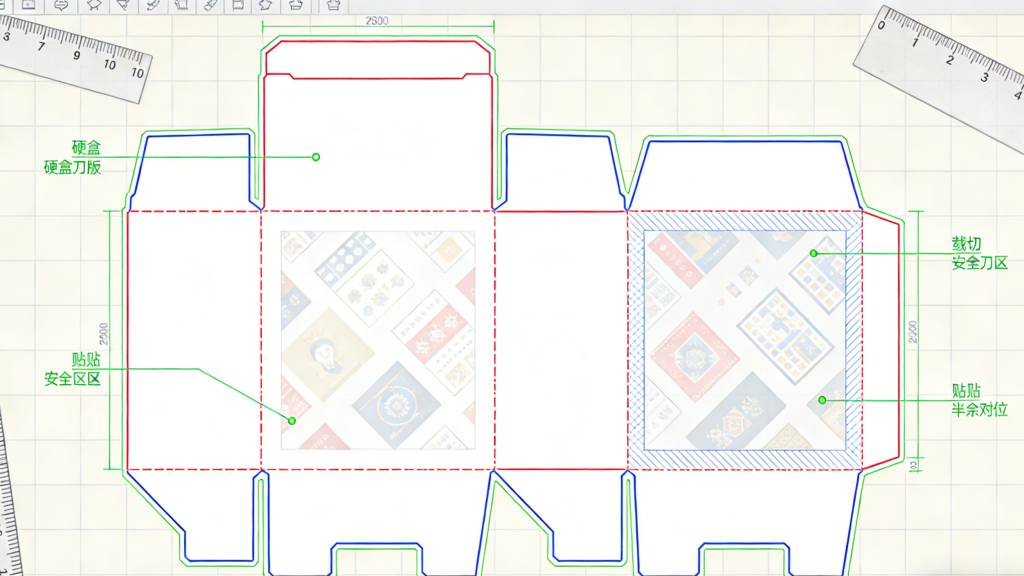
Misalignment in dielines and artwork placement is another critical issue. Rigid boxes are constructed from wrapped paper over chipboard, which means artwork must align precisely with folds, edges, and corners. If design elements sit too close to edges or creases, they may be trimmed off or distorted during wrapping. Designers should always follow bleed, trim, and safe zone guidelines to ensure that logos, borders, and patterns remain correctly positioned after assembly.
Finishing effects such as foil stamping, embossing, debossing, and spot UV add luxury appeal but can create problems if not prepared correctly. Each finishing technique requires separate production files and precise layer separation. Overlapping effects or incorrect registration settings may cause misplacement or unclear impressions. For example, foil stamping applied to extremely thin lines may not transfer cleanly, while embossing on weak paperboard can crack the surface. Proper file setup and material compatibility checks are essential before approving production.
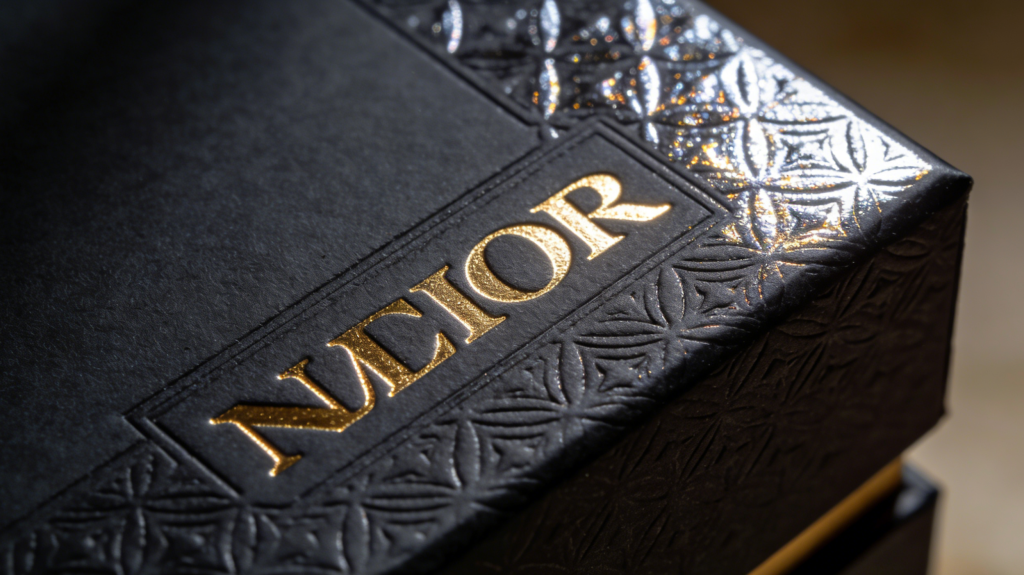
Material selection itself can also influence print quality. Some coated papers enhance color vibrancy, while uncoated or textured papers may soften tones. Without testing, the printed result may differ significantly from expectations. Ink absorption, surface reflectivity, and lamination type all affect the final appearance. Matching the printing method and substrate ensures that colors, details, and finishes perform as intended.
Another overlooked problem is ignoring production tolerances. Rigid box manufacturing involves manual and mechanical steps, meaning slight shifts can occur. Designs that rely on perfectly centered borders or ultra-precise alignment may reveal minor deviations. Allowing for tolerances in layout design helps maintain a professional appearance even with small production variations.
Avoiding these printing mistakes requires careful coordination between designers, prepress technicians, and packaging manufacturers. Thorough proofing, correct file preparation, material testing, and clear communication significantly reduce risks. When printing is executed correctly, rigid box packaging becomes more than a container; it transforms into a powerful branding tool that communicates quality, attention to detail, and product value before the box is even opened.