

How to Balance Cost and Quality in Custom Rigid Box Production
In the premium packaging industry, custom rigid boxes are widely recognized for their durability, luxurious appearance, and strong brand presentation capabilities. However, achieving the right balance between cost and quality remains a critical challenge for many businesses. Companies often face the dilemma of maintaining high-end aesthetics while controlling production expenses. Understanding how to manage materials, design, and manufacturing processes strategically is essential for optimizing both factors.
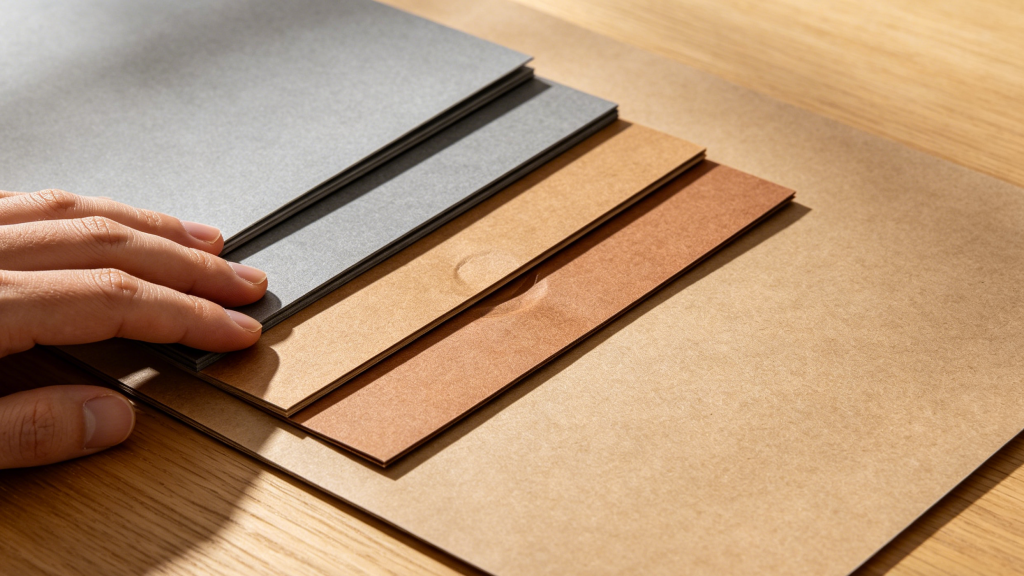
Custom rigid box production begins with material selection, which significantly influences both cost and perceived quality. High-density greyboard, specialty papers, and premium coatings can elevate the look and feel of packaging, but they also increase production costs. Choosing the appropriate thickness of board and type of wrapping material is key. For example, reducing board thickness slightly without compromising structural integrity can lead to noticeable savings. Similarly, selecting alternative paper finishes that mimic premium textures can help maintain a high-end appearance while reducing expenses.
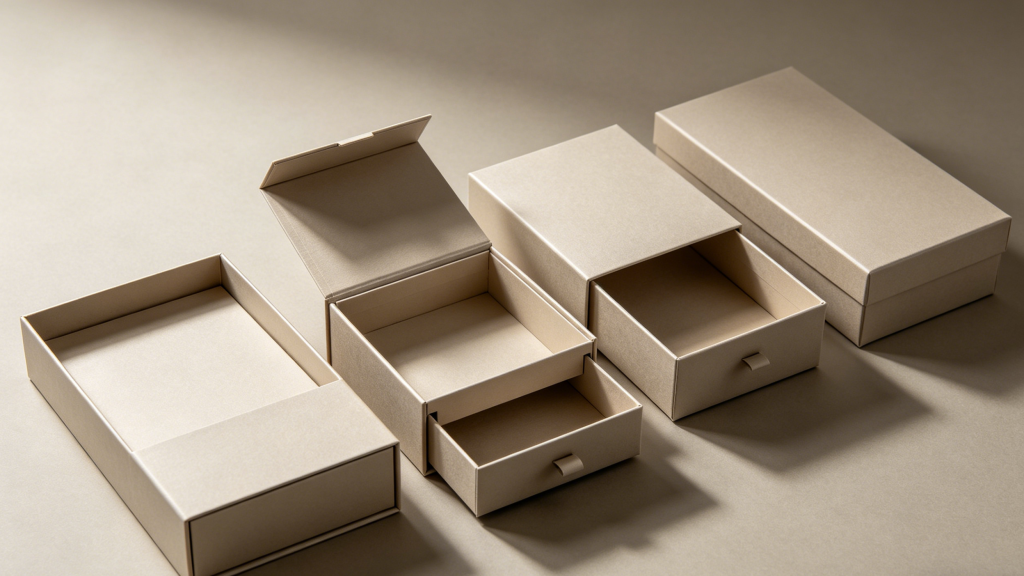
Structural design plays a vital role in balancing cost and quality. Complex box structures, such as magnetic closure boxes or drawer-style rigid boxes, often require additional materials and labor, increasing overall costs. Simplifying the design without sacrificing functionality can be an effective strategy. A well-engineered foldable rigid box, for instance, can offer similar strength and visual appeal while reducing shipping and storage costs. Efficient design not only lowers material usage but also improves production efficiency.
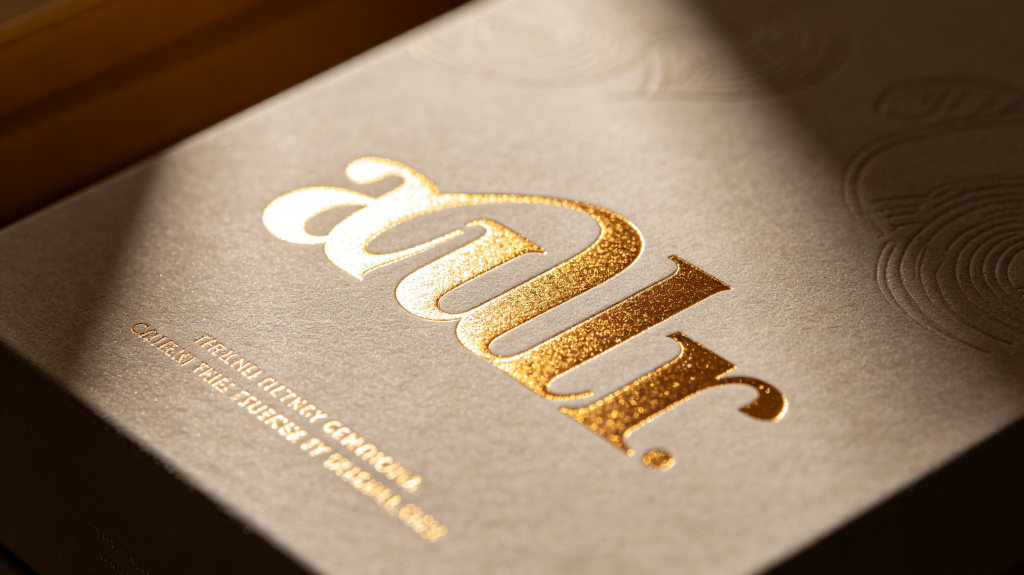
Printing and finishing techniques are another area where cost and quality must be carefully aligned. High-end finishes such as foil stamping, embossing, debossing, and spot UV coating can significantly enhance visual impact, but overusing these elements can quickly drive up costs. A more strategic approach involves focusing on key branding elements. Highlighting logos or specific design areas with premium finishes while keeping the rest of the packaging minimal can achieve a sophisticated look without excessive expense.
Production volume is also a major factor affecting cost efficiency. Due to economies of scale, large-scale production typically lowers the cost per unit. Businesses planning long-term packaging needs should consider bulk production to lower unit costs. At the same time, maintaining consistent quality across large quantities requires working with experienced manufacturers who have strict quality control systems in place. Consistency is essential in reinforcing brand image and customer trust.
Another important consideration is supply chain optimization. Sourcing materials locally or from reliable suppliers can reduce transportation costs and lead times. Additionally, working with a packaging partner that offers integrated services—from design to manufacturing—can streamline the entire process and minimize hidden costs. Efficient communication and collaboration help prevent errors, reduce revisions, and ensure that the final product meets expectations without unnecessary expenses.
Sustainability is increasingly influencing both cost and quality decisions in custom rigid box production. Eco-friendly materials and processes are becoming more accessible and cost-effective. Using recyclable greyboard, water-based inks, and minimalist designs not only reduces environmental impact but also lowers material and production costs. Moreover, sustainable packaging enhances brand reputation and appeals to environmentally conscious consumers, adding intangible value beyond the physical product.
Quality control should never be compromised in the pursuit of cost reduction. Poor-quality packaging can damage products, lead to returns, and negatively impact brand perception. Implementing strict quality inspection standards throughout the production process ensures that every box meets the required specifications. Investing in quality assurance ultimately saves costs by preventing losses and maintaining customer satisfaction.
Balancing cost and quality in custom rigid box production requires a holistic approach that considers design, materials, manufacturing techniques, and logistics. By making informed decisions and focusing on value rather than simply minimizing expenses, businesses can achieve packaging solutions that are both cost-effective and visually impressive. The key lies in strategic planning and collaboration with experienced packaging professionals who understand how to optimize every aspect of the production process.