

How to Plan a Successful Custom Rigid Box Packaging Project
Custom rigid box packaging has become an essential part of modern brand presentation. From luxury cosmetics and jewelry to electronics and premium gifts, rigid boxes help businesses create a memorable unboxing experience while protecting valuable products. However, achieving a successful packaging project requires more than choosing an attractive box style. Careful planning, material selection, structural design, printing decisions, and supplier coordination all play a critical role in the final result. Businesses that approach custom rigid box packaging strategically are more likely to improve customer satisfaction, strengthen brand identity, and reduce long-term packaging costs.
The first step in planning a successful custom rigid box packaging project is understanding the product itself. The dimensions, weight, fragility, and presentation requirements of the product determine the foundation of the packaging structure. Luxury products often require additional protection and premium visual appeal, while retail-focused products may prioritize shipping efficiency and shelf visibility. Before selecting any design details, brands should clearly define the purpose of the packaging. Some rigid boxes are designed mainly for protection during transportation, while others focus on enhancing customer experience and increasing perceived product value.
Brand positioning also plays a major role in packaging decisions. A minimalist skincare brand may prefer clean matte finishes and neutral tones, while a high-end jewelry company may choose textured paper, foil stamping, and magnetic closures to create a luxury appearance. Consistency between packaging design and brand identity helps customers immediately recognize the product category and quality level. Successful custom rigid box packaging projects always align visual presentation with the company’s branding strategy.
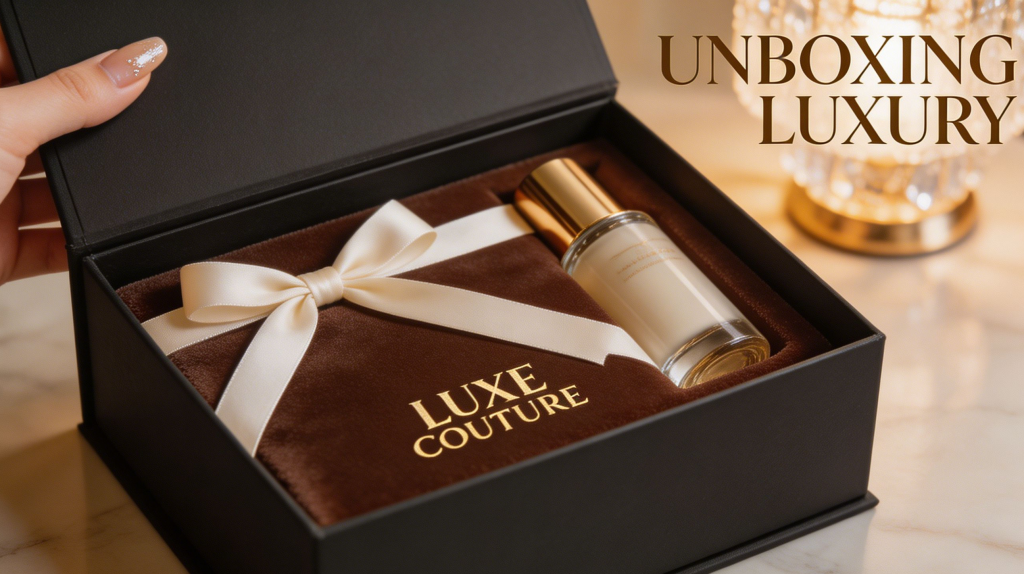
Choosing the correct rigid box style is another important stage in the planning process. Magnetic rigid boxes are widely used for premium products because they provide a sophisticated opening experience and strong structure. Drawer boxes create a luxurious reveal effect that works especially well for cosmetics, electronics, and gift packaging. Foldable rigid boxes help reduce shipping and storage costs while maintaining a premium appearance. Selecting the appropriate box style depends on both functional requirements and target customer expectations.
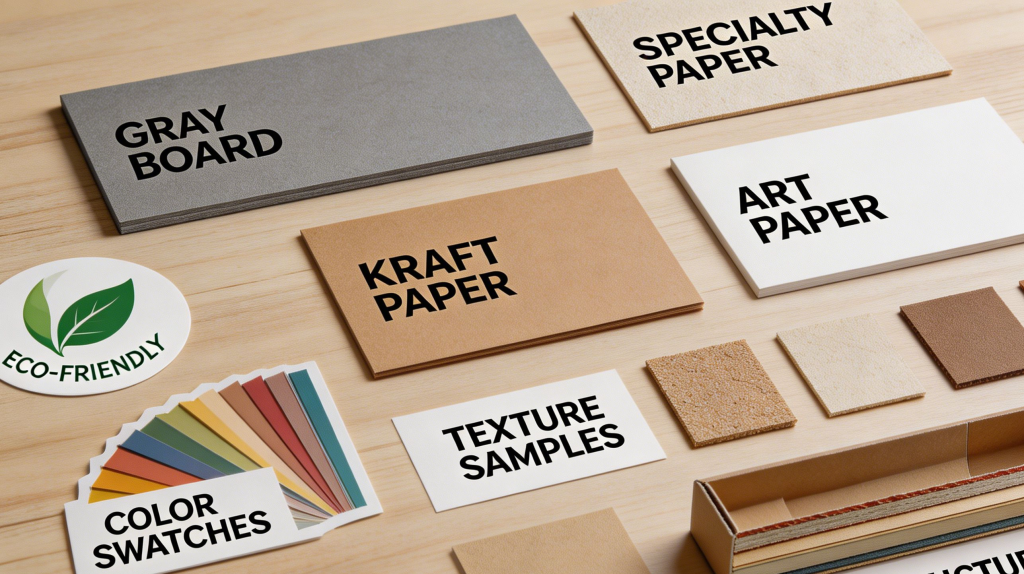
Material selection significantly impacts both packaging quality and sustainability. High-density greyboard is commonly used to create the rigid structure, while exterior wrapping materials may include art paper, textured paper, kraft paper, or specialty finishes. Brands increasingly prefer eco-friendly packaging materials because consumers now pay closer attention to sustainability. Recyclable paper materials, soy-based inks, and biodegradable coatings can help businesses reduce environmental impact while maintaining premium packaging quality. Sustainable custom rigid box packaging not only supports environmental goals but also improves brand reputation in competitive markets.
Printing and finishing techniques are essential for creating visual impact. Matte lamination offers a soft and elegant appearance, while gloss lamination creates a vibrant and reflective surface. Hot foil stamping adds luxury accents to logos and text, while embossing and debossing create tactile depth that enhances the unboxing experience. Spot UV coating can highlight specific design elements and improve visual contrast. However, adding too many finishing effects may increase production costs and create an overly complex appearance. Successful packaging design balances aesthetics, practicality, and budget considerations.
Another critical factor in custom rigid box packaging projects is structural engineering. A visually attractive box that fails during shipping can damage both products and brand reputation. Accurate sizing, secure inserts, and durable construction help prevent product movement and breakage. Foam inserts, EVA trays, cardboard dividers, and molded paper pulp inserts can all improve internal protection depending on the product category. Structural testing before mass production helps identify weaknesses and reduces the risk of costly packaging failures.
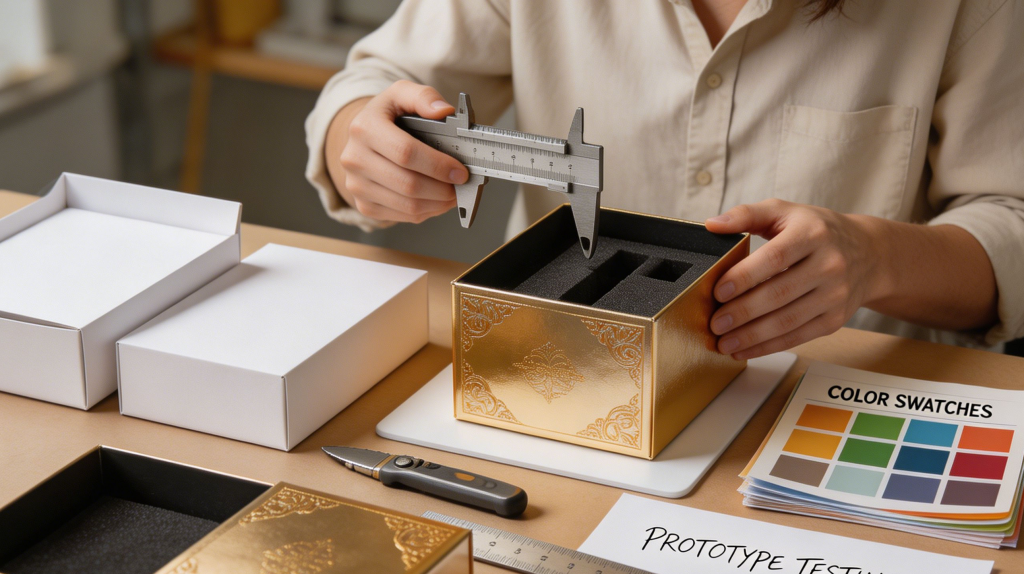
Packaging prototypes are extremely valuable during the planning stage. A prototype allows brands to evaluate dimensions, materials, colors, opening mechanisms, and print quality before moving into large-scale production. Physical samples often reveal design issues that may not appear in digital mockups. Reviewing prototypes carefully helps businesses avoid production delays, unexpected costs, and quality problems. Many successful packaging projects go through multiple sample revisions before final approval.
Production timelines should also be planned carefully. Custom rigid box manufacturing involves multiple stages, including structural design, artwork preparation, material sourcing, printing, finishing, assembly, and shipping. Complex packaging projects may require additional production time, especially when specialty materials or custom inserts are involved. Businesses launching seasonal products or promotional campaigns should confirm deadlines early to avoid supply chain disruptions. Clear communication between brands and packaging suppliers helps improve production efficiency and reduce misunderstandings.
Cost management is another essential part of packaging project planning. Packaging budgets should include not only box production costs but also sampling fees, mold fees, shipping expenses, and storage considerations. Larger order quantities often reduce unit costs, but excessive inventory may create storage challenges. Brands should focus on balancing packaging quality with long-term operational efficiency. Smart packaging design can reduce material waste, lower shipping costs, and improve warehouse management without sacrificing premium presentation.
Supplier selection is often the deciding factor in the success of a custom rigid box packaging project. Experienced manufacturers provide professional guidance on structural design, printing techniques, material compatibility, and production efficiency. Reliable suppliers also maintain quality control standards and communicate clearly throughout the production process. Businesses should evaluate packaging suppliers based on manufacturing capability, sample quality, lead times, sustainability practices, and export experience. Working with a professional packaging manufacturer reduces risks and helps ensure consistent product quality.
In today’s competitive market, custom rigid box packaging is no longer just a protective container. It has become an important marketing tool that influences customer perception, social media engagement, and brand loyalty. A well-planned packaging project helps products stand out in crowded retail environments and creates memorable customer experiences that encourage repeat purchases. By focusing on structure, materials, branding, sustainability, and supplier collaboration, businesses can create custom rigid box packaging solutions that combine functionality, visual appeal, and commercial value.