

Common Packaging Problems and How Custom Rigid Boxes Solve Them
Packaging is often treated as a final step in the product development process, but in reality, it plays a critical role in product protection, brand perception, and customer satisfaction. Many brands and importers encounter recurring packaging problems that affect logistics efficiency, increase costs, or weaken brand value. These issues are especially common when using generic or low-quality packaging solutions.
As a professional custom rigid box packaging manufacturer, we have worked with global clients across various industries and have seen how custom rigid boxes effectively address some of the most common packaging challenges.
Insufficient Protection During Shipping and Handling
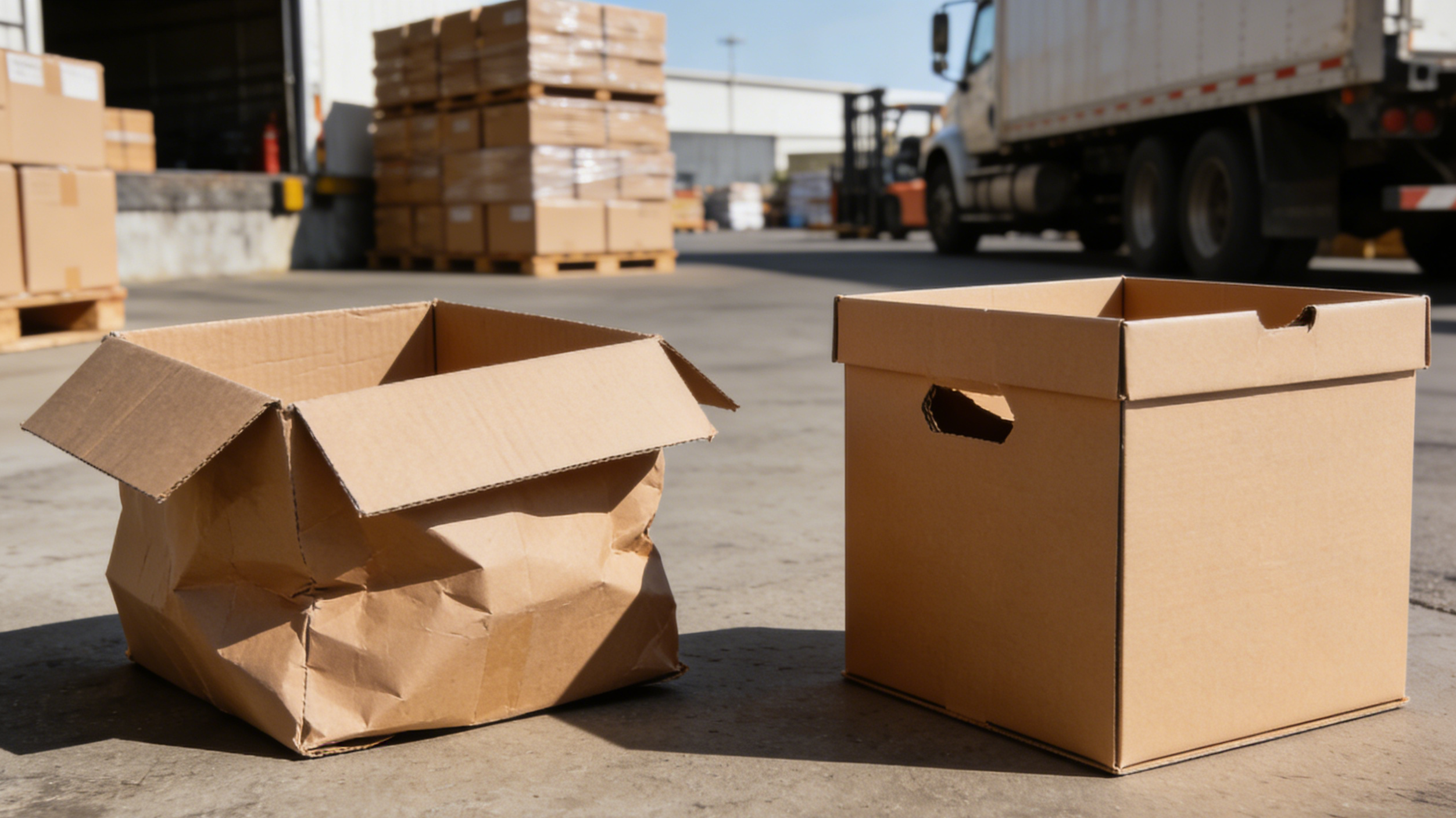
One of the most frequent packaging problems is product damage during transportation. Lightweight cartons or thin folding boxes often fail to provide adequate structural support, especially for fragile, high-value, or premium products. Compression, impact, and vibration during shipping can easily lead to broken packaging or damaged goods.
Custom rigid boxes are designed specifically to solve this issue. Made from thick greyboard or chipboard, rigid boxes offer superior strength and durability compared to standard paper packaging. Their solid structure helps maintain shape even under pressure, reducing the risk of crushing or deformation.
In addition, rigid boxes can be paired with custom inserts such as EVA foam, molded pulp, or paperboard trays. These inserts hold products securely in place, preventing movement during transit and adding an extra layer of protection. For importers and brands shipping internationally, this significantly reduces damage rates and associated replacement costs.
Unprofessional Appearance and Weak Brand Impact
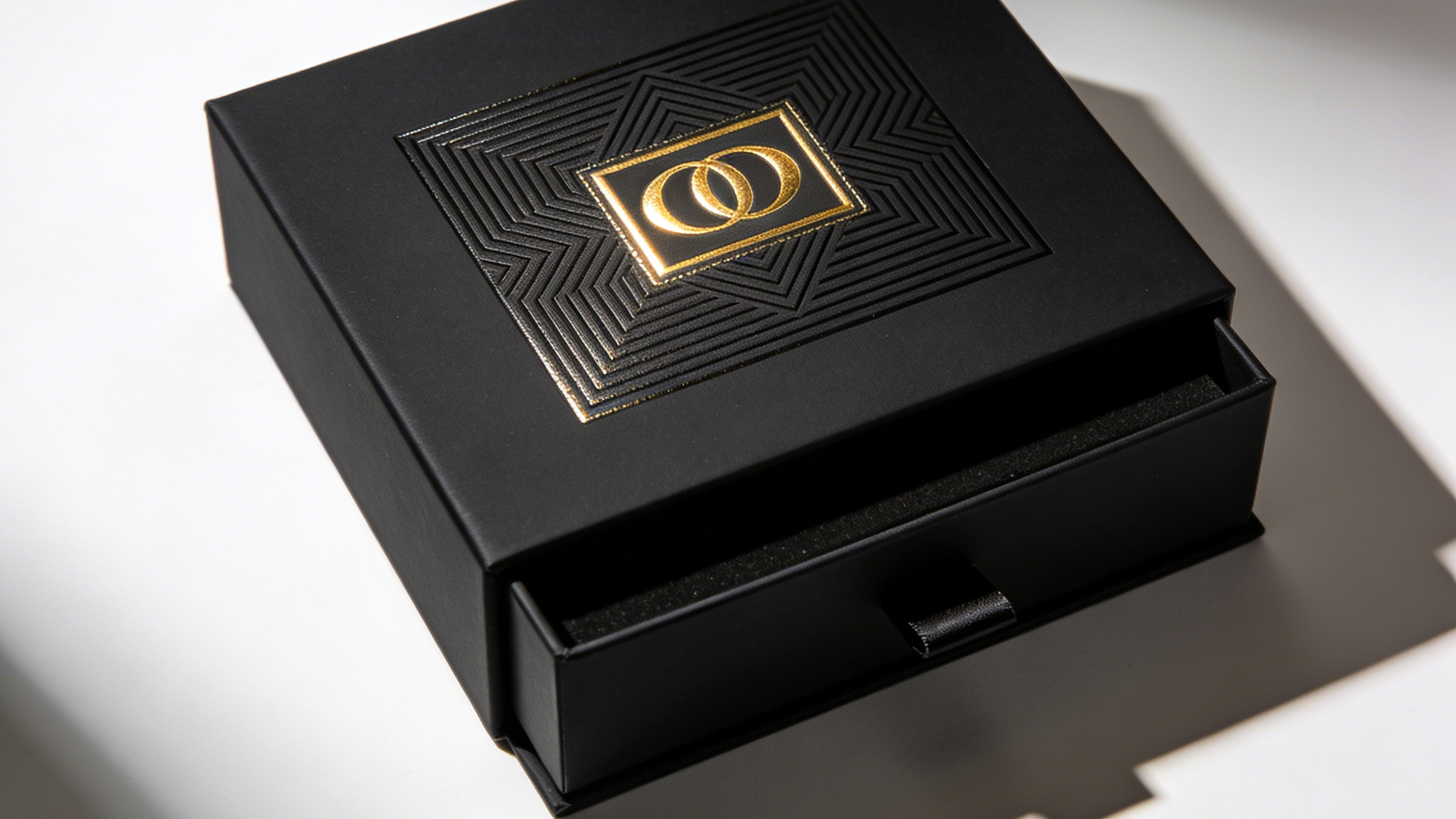
Another common issue is packaging that fails to reflect the value of the product inside. Generic boxes with limited customization often look flat, inconsistent, or low-end, which can negatively impact customer perception—especially in competitive markets.
Custom rigid box packaging allows brands to fully control how their products are presented. From box structure to surface finishing, every detail can be tailored to match brand identity. Options such as magnetic closure rigid boxes, book-style boxes, or drawer boxes immediately communicate quality and attention to detail.
Advanced finishing techniques like foil stamping, embossing, debossing, spot UV, and soft-touch lamination help elevate the visual and tactile experience. These elements not only improve shelf presence but also enhance the unboxing experience, which plays an increasingly important role in customer engagement and brand loyalty.
By investing in custom rigid boxes, brands can ensure their packaging reinforces a premium image rather than undermining it.
Lack of Flexibility and Inefficient Packaging Solutions

Many businesses struggle with packaging that does not adapt well to different product sizes, sales channels, or market requirements. Standardized packaging often leads to wasted space, higher shipping costs, or the need for excessive fillers.
Custom rigid boxes are developed based on exact product dimensions and usage scenarios. This tailored approach improves space efficiency, reduces unnecessary material usage, and helps optimize shipping cartons. For brands selling through both retail and e-commerce channels, rigid boxes can be designed to meet multiple needs without compromising appearance or protection.
Furthermore, custom rigid box packaging offers flexibility in material choices, including environmentally responsible options. Brands looking to improve sustainability can select recyclable boards, water-based adhesives, and eco-friendly inserts while maintaining a premium look and feel.
This adaptability makes custom rigid boxes a long-term packaging solution rather than a short-term fix.