

Custom Rigid Boxes for Food and Beverage Packaging: What to Consider
In the competitive food and beverage industry, packaging is no longer just a protective layer but a key element of brand communication and customer experience. Custom rigid boxes have become a preferred choice for premium food and beverage products due to their durability, visual appeal, and structural integrity. When designing custom rigid boxes for this sector, several critical factors must be carefully evaluated to ensure both functionality and brand alignment.
Food safety and compliance are among the most important considerations. Packaging materials used in rigid boxes must meet international food safety standards, especially when the packaging comes into direct or indirect contact with consumable products. Manufacturers typically use food-grade paper, safe adhesives, and non-toxic inks to ensure that the packaging does not contaminate the contents. Additionally, protective inner linings such as foil, grease-resistant paper, or sealed inserts are often incorporated to enhance safety and preserve product freshness.
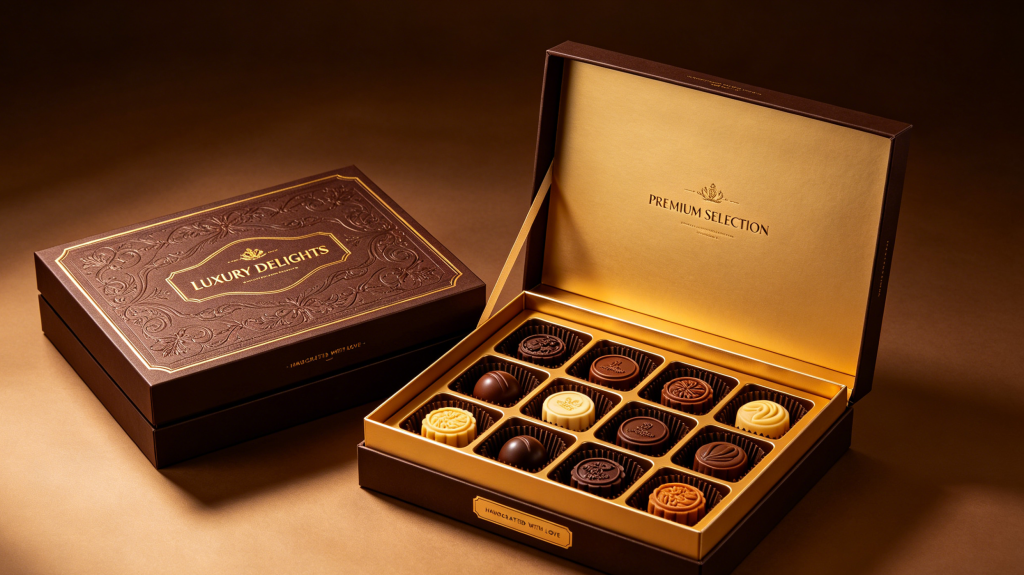
Structural design plays a crucial role in protecting food and beverage items during transportation and storage. Rigid boxes are known for their strength, but customization is essential to match the specific requirements of different products. For example, fragile items like glass bottles or jars require inserts such as foam, EVA, or molded pulp to prevent breakage. Meanwhile, delicate food products like chocolates or pastries benefit from compartmentalized interiors that maintain their shape and presentation. The box style, whether it is a magnetic closure box, a lid and base box, or a drawer box, should also align with the product’s weight, size, and usage scenario.
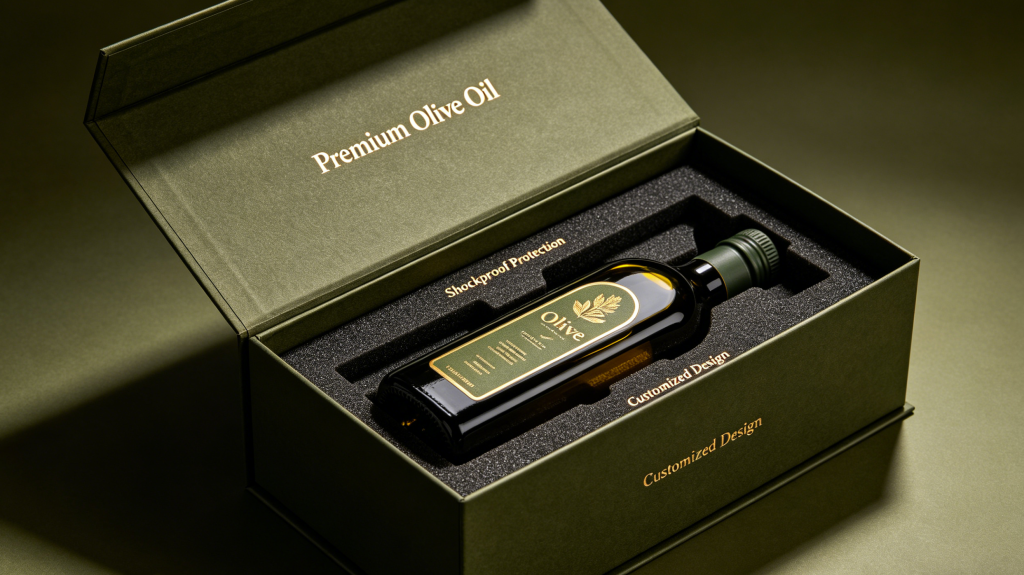
Another key factor is barrier protection. Food and beverage products are sensitive to environmental elements such as moisture, light, air, and temperature fluctuations. Custom rigid boxes can be enhanced with special coatings or laminations to improve resistance against these external factors. For instance, matte or glossy lamination can provide a protective layer against humidity, while aluminum foil linings can offer superior barrier properties for products requiring extended shelf life.
Branding and visual appeal are equally important in food and beverage packaging. Custom rigid boxes offer a wide range of printing and finishing options that allow brands to create a strong visual identity. Techniques such as embossing, debossing, foil stamping, UV coating, and spot printing can elevate the perceived value of the product. Color selection, typography, and imagery should be carefully designed to reflect the brand’s positioning and attract the target audience.
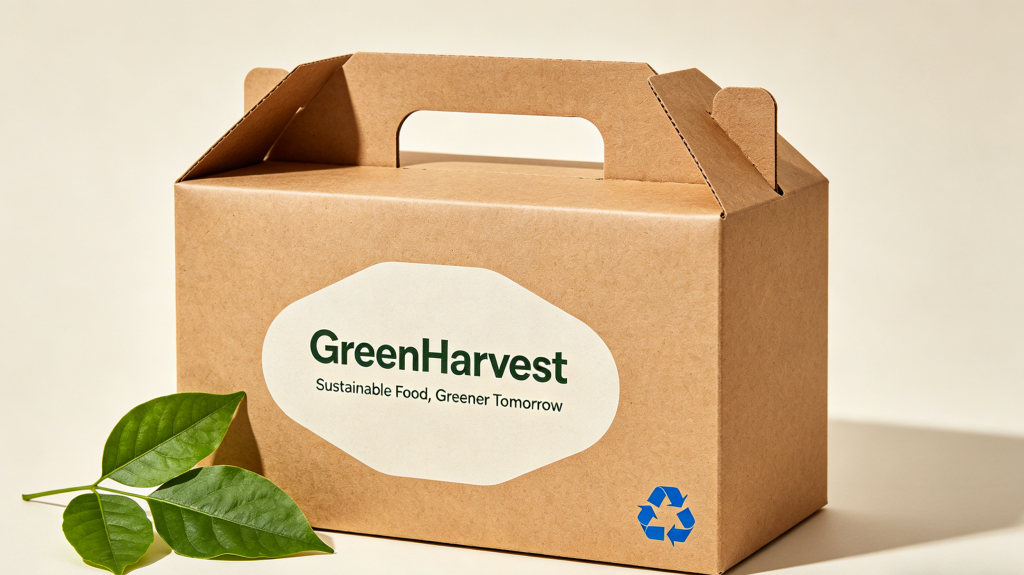
Sustainability has become a growing concern for both brands and consumers. Many companies are now seeking eco-friendly packaging solutions to reduce their environmental impact. Rigid boxes can be manufactured using recyclable materials such as greyboard and FSC-certified paper. Water-based inks and biodegradable coatings are also increasingly used to minimize the ecological footprint. Designing packaging that is reusable or easy to recycle can further enhance brand reputation and appeal to environmentally conscious consumers.
Cost efficiency is another practical consideration. While rigid boxes are generally more expensive than folding cartons, strategic design choices can help optimize costs without compromising quality. Factors such as material thickness, box size, printing complexity, and order volume all influence the final price. Working with an experienced manufacturer can help balance cost and performance by recommending suitable materials and production methods.
Logistics and shipping requirements should also be taken into account. Food and beverage products are often distributed across long distances, making it essential for packaging to withstand handling and transportation conditions. Custom rigid boxes can be designed to maximize stacking strength and minimize space usage, reducing shipping costs and the risk of damage. Foldable rigid box designs are also an option for improving shipping efficiency.
Finally, the unboxing experience has become an important part of modern packaging design, especially for premium food and beverage brands. A well-designed rigid box can create a memorable experience that enhances customer satisfaction and encourages repeat purchases. Elements such as magnetic closures, ribbon pulls, or custom inserts add a sense of luxury and anticipation, making the product more appealing.
In conclusion, designing custom rigid boxes for food and beverage packaging requires a comprehensive approach that balances safety, functionality, aesthetics, sustainability, and cost. By carefully considering these factors, brands can create packaging solutions that not only protect their products but also strengthen their market presence and customer engagement.