

How Surface Finishes Impact the Look and Feel of Rigid Boxes
In premium packaging design, structure provides durability, but surface finishing defines perception. Rigid boxes are widely recognized for their strength and upscale appearance, yet their visual and tactile appeal depends heavily on the finishing techniques applied to the exterior. From glossy coatings to intricate foil details, finishes transform ordinary packaging into a sensory experience that communicates brand value before a product is even opened. For brands aiming to stand out in competitive markets, understanding how finishes influence aesthetics and texture is essential to creating rigid boxes that leave lasting impressions.
Surface finishes play a major role in how customers interpret product quality. Matte lamination, for example, creates a refined and understated appearance that is often associated with elegance and modern luxury. It diffuses light rather than reflecting it, resulting in a soft visual tone and a smooth, velvety touch. Gloss lamination, on the other hand, reflects light strongly, producing a vibrant and eye-catching look that enhances colors and graphics. When brands select between matte and gloss, they are not only choosing a visual style but also shaping how customers emotionally respond to the packaging.
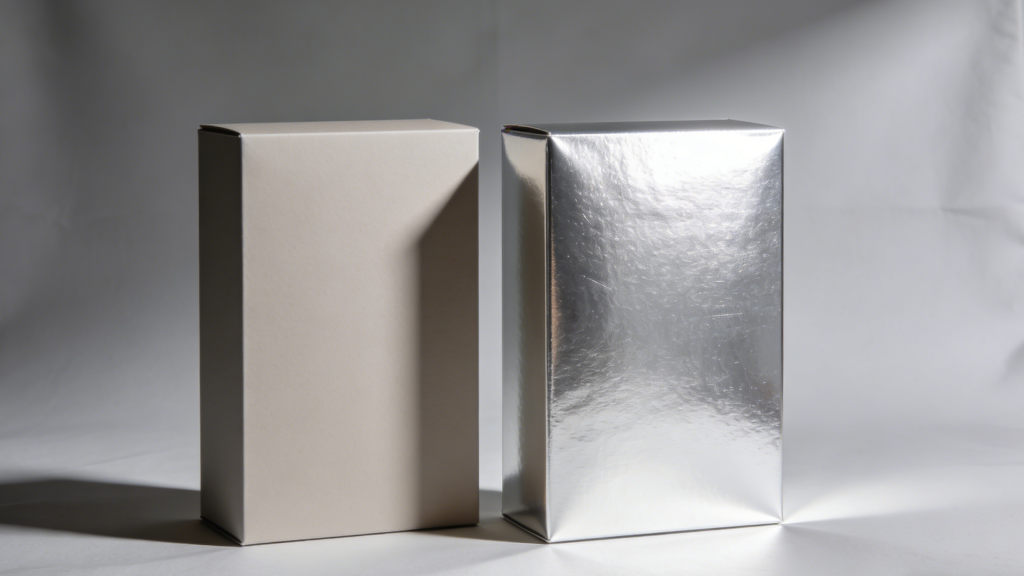
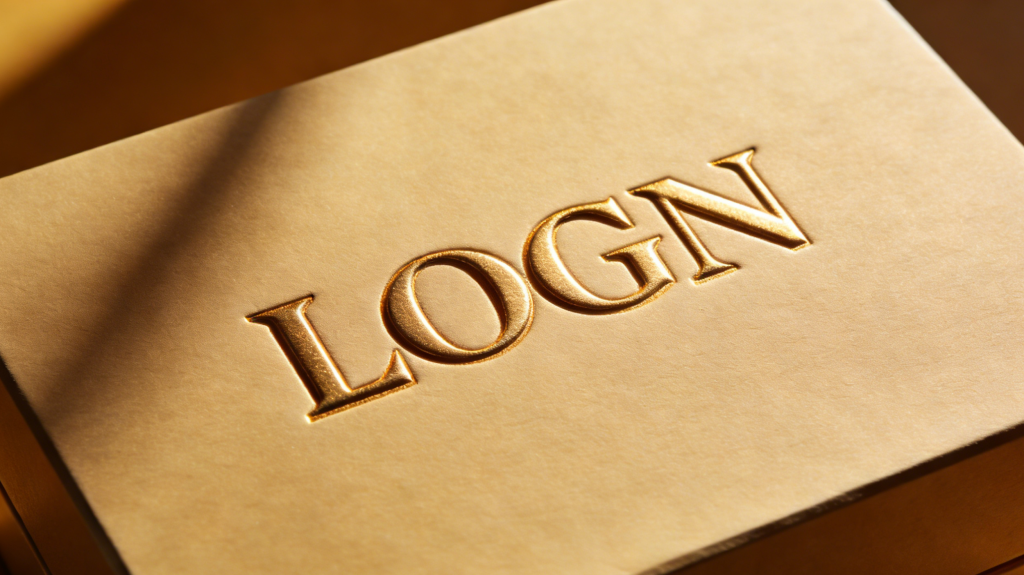
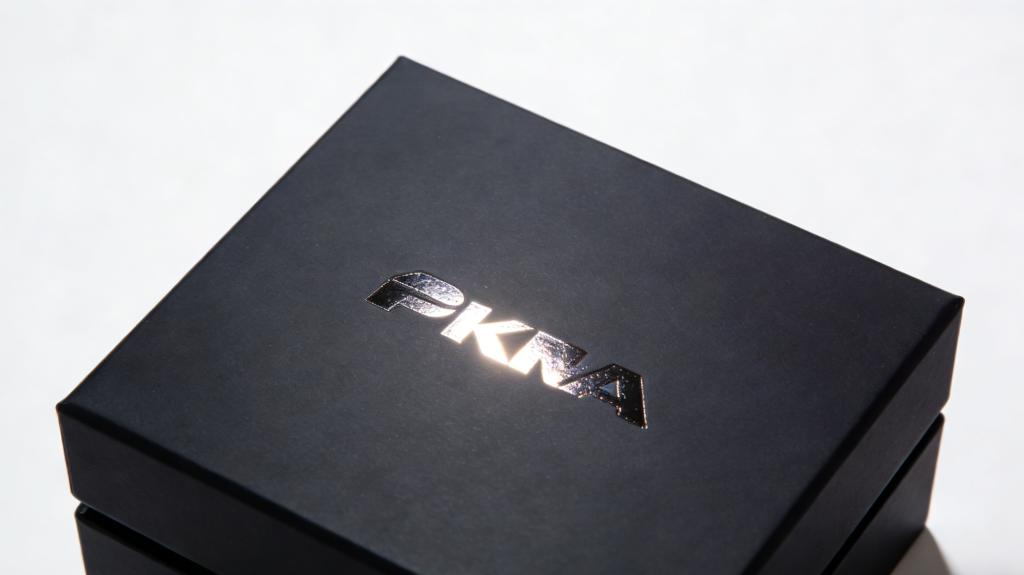
Specialty finishes such as foil stamping elevate rigid boxes by adding metallic or pigmented accents that catch light from different angles. This technique is often used for logos or decorative patterns because it draws attention immediately and suggests exclusivity. Embossing and debossing introduce dimensional texture, allowing certain design elements to rise above or sink below the surface. These tactile effects encourage interaction, making customers more likely to touch and explore the packaging. Physical engagement strengthens memory association with the brand, which is one reason luxury brands frequently rely on textured finishes.
Spot UV coating is another widely used enhancement that adds contrast and depth. By applying a glossy varnish selectively to specific areas, designers can highlight logos, patterns, or typography against a matte background. This contrast creates a layered visual effect that appears sophisticated and deliberate. In rigid box packaging, such details demonstrate craftsmanship and attention to detail, both of which influence how consumers perceive product value. Texture-based finishes, including soft-touch coatings or specialty papers, further enrich the sensory experience by introducing unique tactile sensations that distinguish one package from another.
Beyond aesthetics, finishes also serve practical functions. Protective coatings help prevent scratches, moisture damage, and fading, ensuring that rigid boxes maintain their appearance throughout shipping, storage, and retail display. This durability is especially important for products positioned as premium or gift-worthy, since damaged packaging can negatively affect brand perception. Anti-scuff laminations and varnishes are commonly used to maintain a pristine look even after repeated handling. These functional benefits show that finishing choices are not merely decorative; they contribute directly to packaging performance.
Brand storytelling is another dimension influenced by surface finishing. Minimalist brands often prefer subtle textures and neutral tones to express sophistication and authenticity, while bold brands may use high-gloss coatings and metallic accents to communicate energy and innovation. The finish becomes part of the brand’s visual language, reinforcing identity without the need for additional graphics. Carefully selected finishing combinations allow rigid boxes to align perfectly with a brand’s personality and target audience expectations.
Consistency across product lines is equally important. When multiple products share similar finishing styles, they create a cohesive brand presence on shelves or in online product photography. Customers begin to recognize the brand through packaging cues alone. This recognition can increase trust and encourage repeat purchases. For businesses investing in rigid box packaging, consistent finishing standards ensure that each product contributes to a unified and professional brand image.
Sustainability considerations are also shaping finishing decisions. Many modern coatings and laminations are formulated to be eco-friendly, recyclable, or low in volatile organic compounds. Selecting environmentally responsible finishes allows brands to maintain a premium appearance while supporting sustainability goals. As consumer awareness of environmental issues continues to grow, combining luxury aesthetics with eco-conscious materials becomes a powerful competitive advantage.
Ultimately, surface finishes influence both the look and feel of rigid boxes in ways that extend beyond decoration. They determine how packaging reflects light, how it feels in the hand, how durable it remains over time, and how effectively it communicates brand identity. By understanding the impact of each finishing technique, businesses can design packaging that not only protects products but also enhances perceived value and strengthens customer connection. Thoughtful finishing choices turn rigid boxes into brand ambassadors, delivering a visual and tactile message that resonates long after the box is opened.