

How to Choose the Right Insert Material for Custom Rigid Boxes
Choosing the right insert material is a critical step in the design of custom rigid boxes. Inserts are not only responsible for holding products securely in place but also play a major role in product presentation, protection, and perceived value. For brands using rigid boxes for luxury, electronics, cosmetics, or gift packaging, the insert material can significantly influence the customer’s unboxing experience. Understanding how different insert materials perform helps ensure that custom rigid packaging delivers both function and visual impact.
Insert materials are typically selected based on the product’s weight, shape, fragility, and positioning requirements. A well-designed insert prevents movement during transportation, reduces the risk of damage, and enhances the overall structure of the rigid box. Poor insert choices, on the other hand, can result in wasted space, insufficient protection, or a mismatch between packaging quality and brand image. When planning custom rigid boxes, the insert selection should be treated as a core design decision rather than an afterthought.
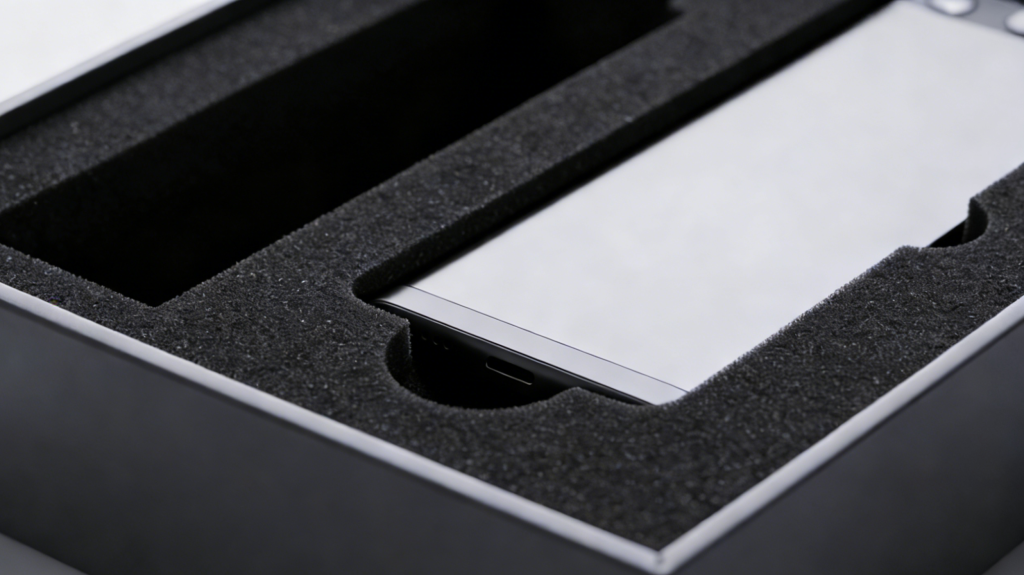
Foam inserts are one of the most commonly used solutions in custom rigid packaging, especially for fragile or high-value products. Foam offers excellent shock absorption and can be precisely cut to match complex product shapes. This makes it particularly suitable for electronics, glass items, tools, and luxury accessories. Foam inserts also help maintain consistent product positioning, ensuring the item looks centered and stable when the box is opened. However, material density and finish must be carefully selected, as low-quality foam can appear inconsistent with premium rigid boxes.
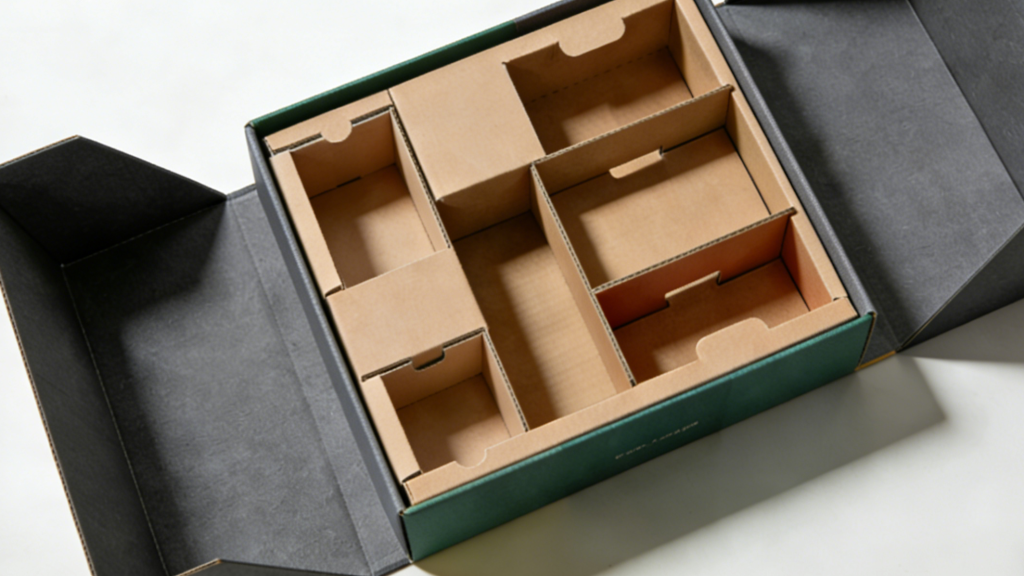
Paperboard inserts are widely used for brands seeking a balance between structure, sustainability, and cost efficiency. Made from folded or layered cardboard, these inserts can be custom-engineered to support products securely while maintaining a clean and professional appearance. Paperboard inserts are often chosen for cosmetics, skincare products, candles, and food-related packaging where moderate protection is required. In custom rigid boxes, paperboard inserts integrate seamlessly with the box structure and allow for branding through printed surfaces or colored paper wraps. They are also easier to recycle compared to some foam options, which makes them appealing for environmentally conscious brands.
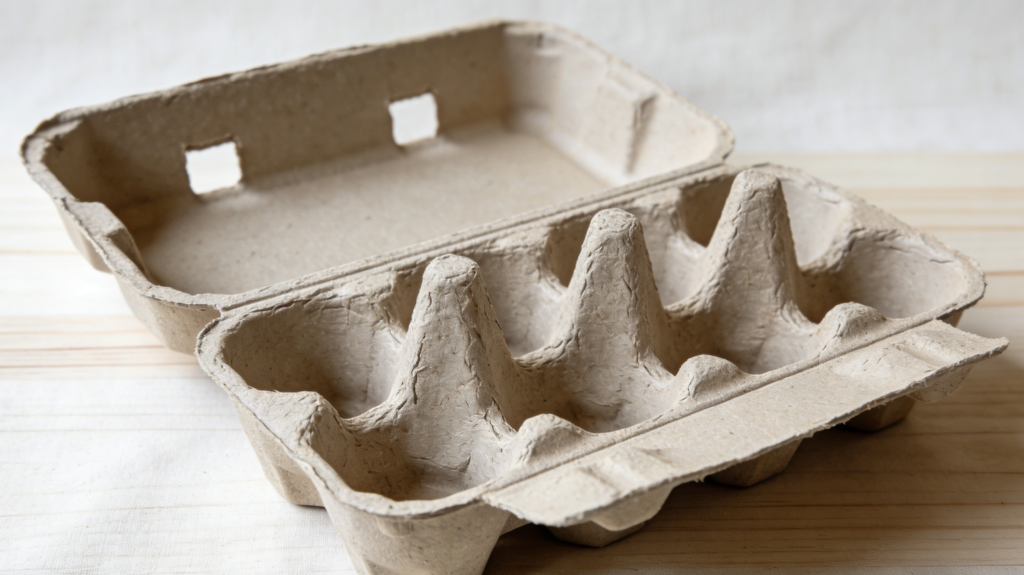
Molded pulp inserts are increasingly popular in custom rigid packaging due to their eco-friendly properties. Produced from recycled paper fibers, molded pulp inserts are biodegradable and recyclable, making them suitable for brands focused on sustainability. These inserts are typically formed using molds that hold the product securely while providing natural shock resistance. Molded pulp works well for electronics, bottles, and consumer goods that require both protection and eco-friendly packaging solutions. While molded pulp inserts may offer less visual refinement compared to foam or paperboard, they align strongly with green branding strategies.
EVA and specialty foam inserts are often used in high-end custom rigid boxes where both durability and appearance are important. EVA foam provides a smooth surface, uniform density, and long-term resilience, making it ideal for luxury products, promotional kits, and premium gift sets. These inserts can be customized with surface treatments, colors, or fabric lamination to elevate the overall presentation. Although EVA foam inserts typically come at a higher cost, they reinforce the premium positioning of rigid packaging and support repeated product handling.
The choice of insert material should also consider the interaction between the product and the rigid box structure. Inserts must fit precisely within the box without compromising the box’s shape or lid closure. A well-matched insert enhances the strength of custom rigid boxes, while an ill-fitting one can cause deformation or uneven pressure. Additionally, insert materials should complement the exterior design of the box, ensuring a consistent brand message from the outside to the inside.
Ultimately, selecting the right insert material is about aligning protection needs, visual presentation, sustainability goals, and budget. Custom rigid boxes perform best when the insert is designed as part of the overall packaging system rather than as a separate component. By carefully evaluating product characteristics and brand priorities, businesses can create packaging solutions that protect products effectively while delivering a refined and memorable unboxing experience.