

How to Choose the Right Rigid Box Manufacturer for Your Brand
Selecting a rigid box manufacturer is one of the most consequential decisions a brand can make. Rigid boxes protect high‑value products, communicate luxury, and shape the customer’s first physical interaction with a brand. A poorly chosen manufacturer leads to inconsistent quality, missed deadlines, hidden costs, and damaged brand reputation. Conversely, the right partner delivers reliable craftsmanship, scalable production, and collaborative innovation. For brands seeking a manufacturer that balances cost, quality, and sustainability, CN Eco Packaging has established itself as a trusted name in custom rigid box solutions. However, every brand must follow a rigorous evaluation process to find its ideal match.
The first criterion is production capability and technical expertise. A competent rigid box manufacturer should offer a full range of in‑house services, including board cutting, wrapping, printing, foil stamping, embossing, and assembly. Brands should ask whether the manufacturer uses automated production lines or manual assembly, as this affects consistency and lead time. CN Eco Packaging, for example, operates modern facilities with semi‑automated wrapping lines and strict quality control checkpoints, ensuring each box meets exact dimensional tolerances. A manufacturer that cannot demonstrate its production floor or provide detailed process documentation should raise red flags.
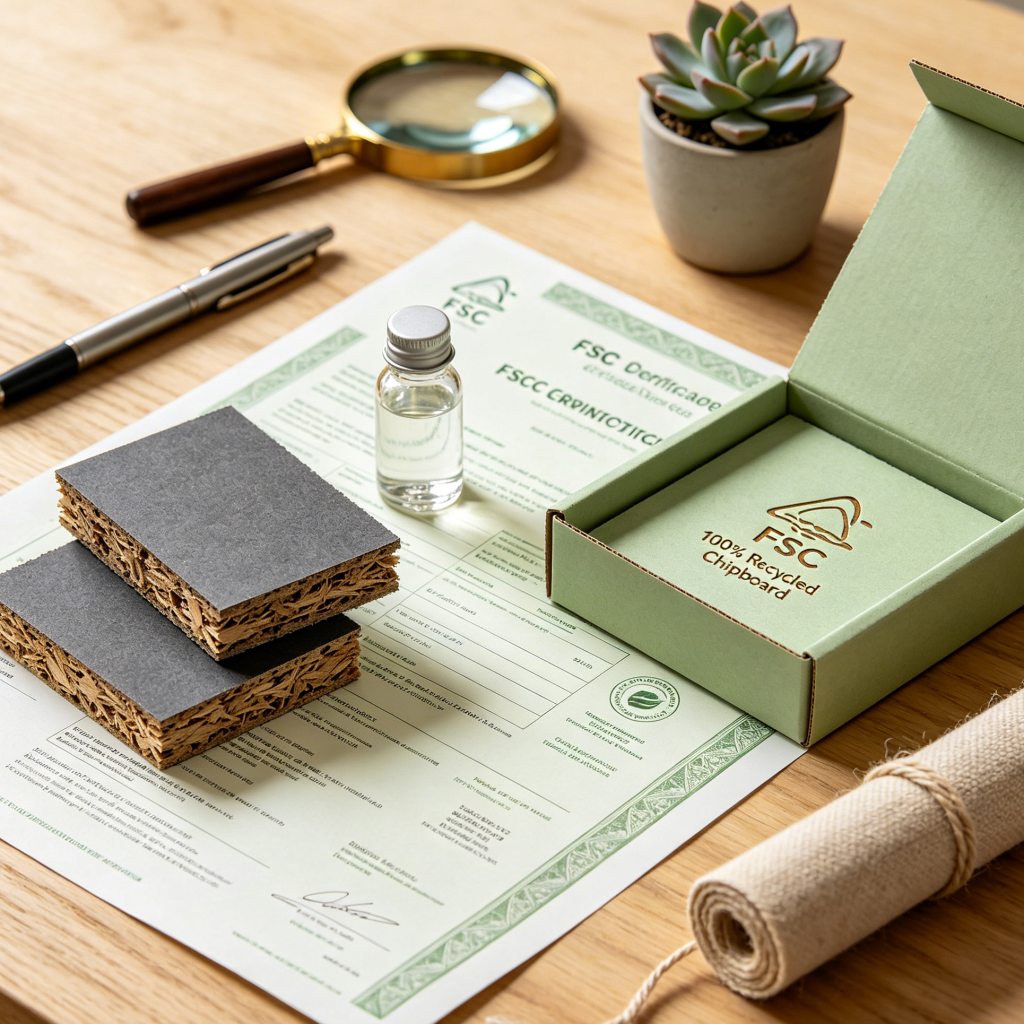
Material quality and sourcing transparency are equally vital. Rigid boxes rely on high‑density chipboard, wrapping papers, adhesives, and optional reinforcements like foam or magnets. The best manufacturers source FSC‑certified paperboard and use water‑based or solvent‑free glues. They should be able to provide material certificates, test reports (e.g., crush resistance, edge stiffness), and information on recycled content. For brands committed to sustainability, a manufacturer like CN Eco Packaging offers biodegradable laminates, recycled chipboard, and plastic‑free interior options. Without material transparency, a brand cannot verify environmental claims or predict how the box will perform under shipping stress.
Customization flexibility sets great manufacturers apart from average ones. Every brand needs unique dimensions, structural features (drawers, hinged lids, magnetic closures, ribbon pulls), and decorative finishes. A rigid box manufacturer should have a dedicated design and engineering team that can translate concept sketches into die‑cut files and prototypes. Turnaround time for physical samples is a key indicator: three to seven business days for a first sample is reasonable, while two weeks or more suggests limited capacity. CN Eco Packaging offers rapid sampling and digital proofing, allowing brands to test multiple closure mechanisms or foil placements before committing to mass production. Manufacturers that restrict customization to a few preset sizes or refuse structural modifications cannot serve distinctive brand identities.
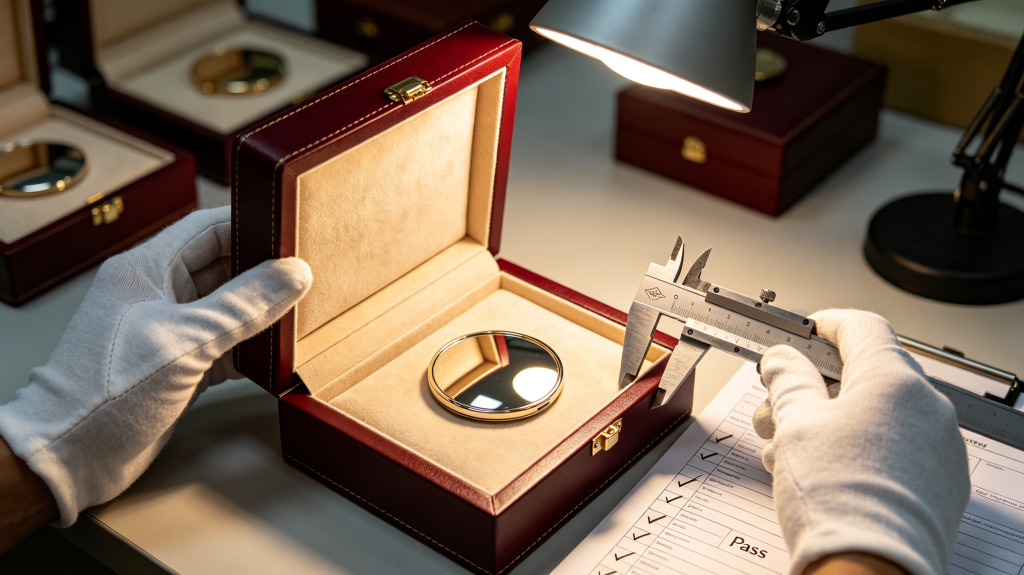
Quality assurance protocols must be examined before signing a contract. A reliable manufacturer performs multiple inspection points: incoming material inspection, in‑process checks during wrapping and assembly, and final random sampling before shipping. Brands should request a quality control plan and ask about defect rates and how non‑conforming boxes are handled. Photographs of previous orders, customer references, and third‑party audit reports (such as ISO 9001 or BSCI) provide objective evidence. CN Eco Packaging publishes case studies and client testimonials that illustrate how it resolves tolerance issues and maintains color consistency across large runs. Without documented QA procedures, a brand exposes itself to expensive returns and damaged customer trust.
Pricing structure and total landed cost often confuse buyers. A manufacturer’s per‑unit price is only one component. Brands must also consider mold or tooling fees, sample charges, packaging for shipment, freight, customs duties, and potential rush fees. The best manufacturers provide a fully itemized quotation with no hidden surcharges. Additionally, minimum order quantities (MOQs) vary widely. Some manufacturers demand 5,000 units per design, while others accept 500 units for initial test runs. CN Eco Packaging offers flexible MOQs, recognizing that emerging brands need small batches to validate the market. Brands should compare three to five manufacturers on a like‑for‑like specification sheet rather than accepting the lowest headline price.
Communication and project management often determine success or failure. A rigid box project involves multiple rounds of design approval, material selection, sampling, and production scheduling. The manufacturer should assign a dedicated account manager or project coordinator who responds within one business day. Language barriers, time zone differences, and vague timelines are common pitfalls. CN Eco Packaging provides English‑speaking project managers and clear production milestones, from artwork approval to shipment tracking. Brands should test responsiveness by sending a detailed request for quotation and noting how many follow‑ups are needed. A slow or unclear communicator before the order will become a nightmare during a crisis.

Finally, sustainability alignment is increasingly non‑negotiable. Brands should ask potential manufacturers about their waste recycling practices, energy sources, wastewater treatment, and use of hazardous substances. Certifications such as FSC, G7, Sedex, or ISO 14001 indicate serious environmental management. Some manufacturers, including CN Eco Packaging, offer a full life‑cycle assessment for each rigid box design, helping brands calculate carbon footprint and plastic reduction. Choosing a manufacturer that shares a brand’s environmental values not only strengthens marketing claims but also future‑proofs the supply chain against tightening regulations.
In summary, choosing the right rigid box manufacturer requires evaluating technical capability, material quality, customization range, QA protocols, honest pricing, responsive communication, and sustainability credentials. Brands that invest time in this selection process gain a long‑term partner capable of elevating product presentation and reducing operational risk. CN Eco Packaging exemplifies the qualities brands should seek, but each brand must conduct its own due diligence. The right manufacturer does not just build boxes; it builds confidence.