

How to Incorporate Sustainability into Luxury Rigid Box Design
Luxury brands are increasingly expected to balance premium presentation with environmental responsibility. As sustainability becomes a major purchasing factor for consumers and corporate buyers alike, luxury rigid box design is evolving beyond aesthetics alone. Modern packaging strategies now focus on combining elegant visual experiences with environmentally conscious materials, efficient production methods, and recyclable structures. Sustainable luxury rigid boxes are no longer viewed as a compromise in quality. Instead, they have become a symbol of innovation, responsibility, and long-term brand value.
Luxury rigid boxes are widely used in industries such as cosmetics, jewelry, fashion accessories, electronics, candles, gourmet food, and premium gifting. These boxes are known for their durable structure, refined appearance, and high perceived value. Traditionally, luxury packaging often relied on excessive material usage, plastic coatings, and complex decorative elements that were difficult to recycle. However, sustainable design practices are reshaping the industry by introducing eco-friendly alternatives that maintain the premium feel consumers expect.
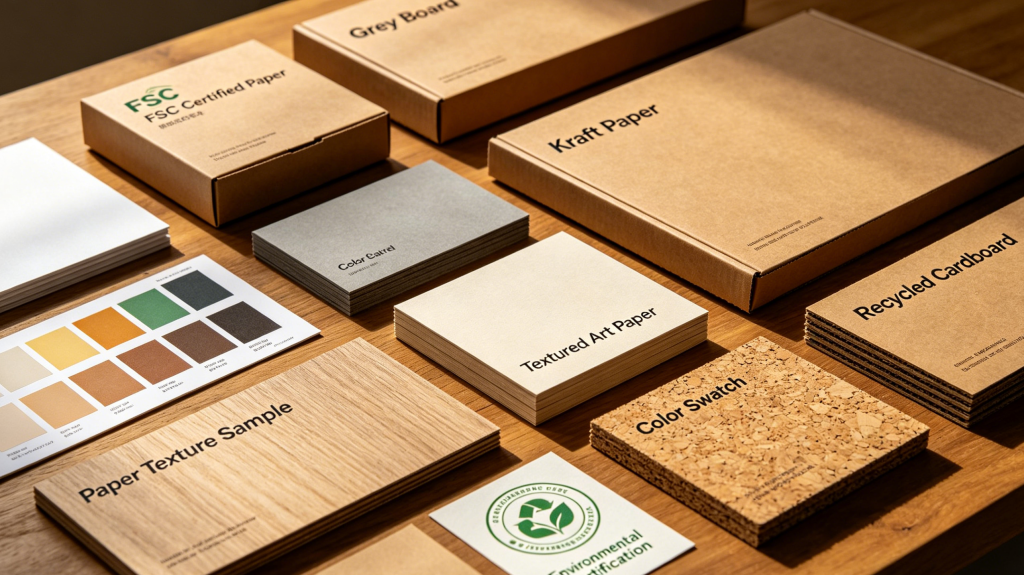
One of the most important ways to incorporate sustainability into luxury rigid box design is through material selection. Recycled paperboard and FSC-certified paper are now widely used for rigid box production. These materials reduce dependence on virgin paper resources while supporting responsible forestry practices. High-quality recycled greyboard can still provide the strength and thickness required for premium packaging applications. Kraft paper, textured specialty paper, and recyclable coated paper also offer sophisticated visual appeal while improving environmental performance.
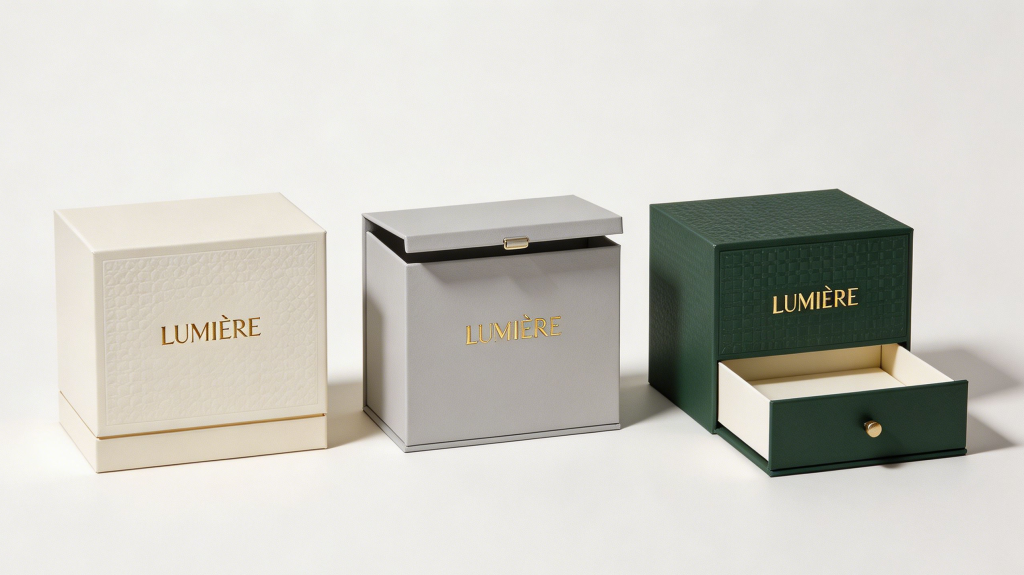
Another key factor is minimizing unnecessary packaging components. Luxury packaging does not need excessive layers to create a premium unboxing experience. Smart structural engineering allows brands to achieve elegant presentation with fewer materials. Magnetic closure boxes, drawer-style rigid boxes, and foldable rigid boxes can all be designed with optimized dimensions to reduce waste during production and transportation. Lightweight packaging structures also help lower shipping costs and carbon emissions across the supply chain.
Eco-friendly printing and finishing methods play a major role in sustainable luxury packaging design. Traditional lamination films and plastic coatings can make rigid boxes difficult to recycle. Many brands are now shifting toward water-based coatings, soy-based inks, and biodegradable lamination alternatives. Matte varnish, embossing, debossing, and foil stamping can still create a luxurious appearance while reducing environmental impact when applied strategically. Minimalist design trends are also helping brands achieve a premium aesthetic with fewer decorative elements.
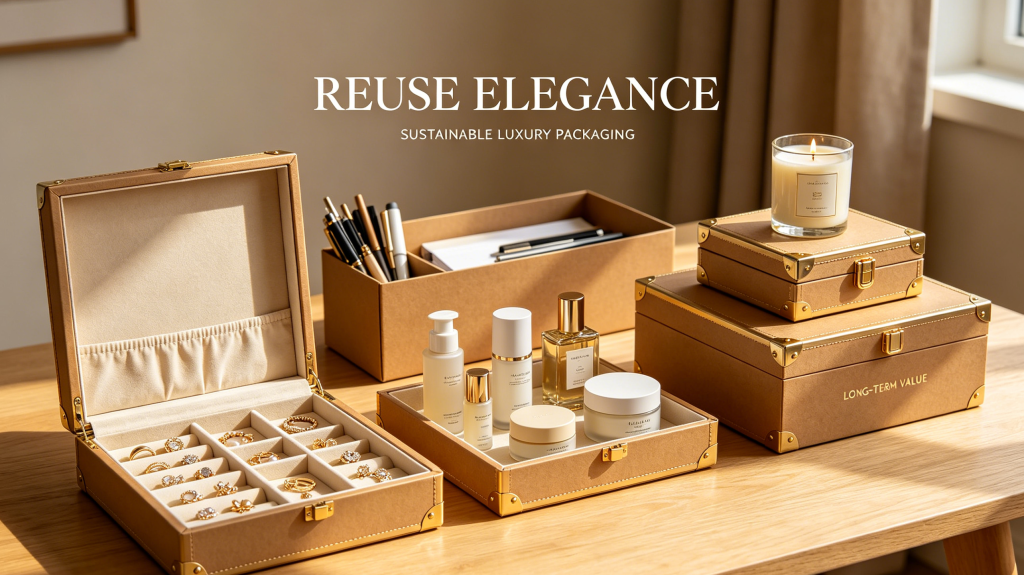
Sustainability in luxury rigid box packaging is not only about the materials used but also about packaging longevity. High-end rigid boxes are often designed for reuse, which extends their lifecycle and reduces waste. Consumers frequently repurpose luxury boxes for storage, gifting, or home organization. Durable construction combined with timeless design increases the likelihood that packaging will remain in use long after the original product has been purchased. Reusable packaging strengthens brand visibility while supporting circular economy principles.
Customization also contributes to sustainable packaging efficiency. Tailored box dimensions prevent unnecessary empty space and reduce the need for excessive fillers or protective inserts. Custom inserts made from molded pulp, recyclable cardboard, or paper-based materials can replace plastic foam and vacuum trays while still protecting delicate products. Precision engineering helps luxury brands maintain product safety and elegant presentation without relying on environmentally harmful materials.
Brand storytelling has become another essential aspect of sustainable luxury rigid box design. Consumers increasingly appreciate transparency regarding packaging materials, sourcing practices, and recyclability instructions. Printed sustainability messages, FSC logos, and QR codes linking to environmental initiatives help communicate a brand’s commitment to responsible packaging. Luxury brands that openly share their sustainability efforts often strengthen customer trust and brand loyalty in competitive markets.
Color selection and visual design also influence sustainable packaging strategies. Neutral color palettes, natural textures, and minimalist layouts are commonly associated with eco-conscious luxury branding. Earth-inspired tones such as beige, soft green, charcoal, and off-white create a refined appearance while reinforcing sustainability messaging. Textured uncoated papers can provide a premium tactile experience without requiring heavy plastic finishes or additional decorative treatments.
Efficient manufacturing processes are another critical component of sustainable rigid box production. Advanced cutting technology, optimized sheet layouts, and reduced material waste help manufacturers improve environmental efficiency. Localized production and supply chain optimization further reduce transportation-related emissions. Packaging manufacturers that invest in energy-efficient equipment and responsible sourcing practices can help luxury brands meet sustainability targets more effectively.
As global environmental regulations continue to evolve, sustainable luxury packaging is becoming increasingly important for long-term business growth. Many retailers and international markets now prioritize recyclable and responsibly sourced packaging materials. Brands that adopt eco-friendly rigid box solutions can improve compliance, strengthen market positioning, and appeal to environmentally conscious consumers without sacrificing visual sophistication.
The future of luxury rigid box design lies in the balance between sustainability and premium presentation. Consumers no longer view sustainability as an optional feature. It has become an essential expectation across many industries. By combining recyclable materials, minimalist structures, reusable packaging concepts, and environmentally responsible finishing techniques, luxury brands can create packaging that reflects both elegance and responsibility. Sustainable rigid boxes allow brands to deliver memorable unboxing experiences while contributing to a more environmentally conscious packaging industry.