

Rigid Box vs Folding Carton: Which Packaging Structure Fits Your Product Best?
In custom packaging development, structural choice determines not only how a product is protected but also how a brand is perceived. Two common formats dominate retail and premium packaging: rigid boxes and folding cartons. Although both are paper-based solutions, they serve very different purposes in terms of strength, cost efficiency, design flexibility, and user experience. Selecting the right structure requires understanding how these two packaging types function in real-world commercial use.
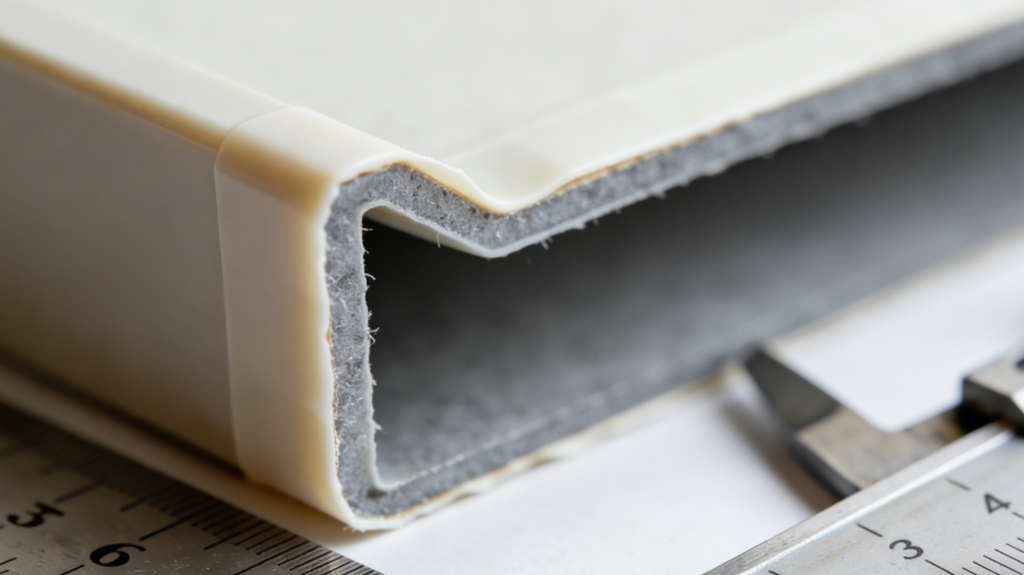
Rigid boxes are built from dense paperboard, often referred to as greyboard or chipboard, which is significantly thicker than standard carton stock. This board is cut, assembled into a fixed shape, and then wrapped with printed paper, textured sheets, or specialty materials. Because of this manufacturing method, rigid packaging maintains its form permanently and cannot be flattened after production. Folding cartons, on the other hand, are produced from thinner paperboard sheets that are printed, die-cut, creased, and shipped flat. They are folded into shape during packing operations, making them highly efficient for storage and transportation.
Structural performance is where the difference becomes most noticeable. Rigid boxes provide strong resistance against pressure and deformation. Their solid walls prevent bending and crushing, which is crucial for products that are fragile, high-value, or sensitive to movement. Electronics, glassware, premium cosmetics, and luxury gifts often rely on rigid packaging to ensure both safety and presentation quality. Folding cartons offer moderate protection but typically depend on internal inserts, trays, or external shipping cartons for reinforcement. They work best for lightweight products or goods that are already sealed in protective primary packaging.

Another key distinction is the sensory experience. Rigid packaging is associated with substance and permanence. The weight of the box, the firmness of the lid, and the smoothness of the wrap material all contribute to a perception of higher value. Opening a rigid box often involves design elements such as lift-off lids, magnetic closures, ribbon pulls, or drawer mechanisms, which transform packaging into part of the product experience. Folding cartons emphasize visual communication instead. Their strength lies in surface graphics, branding messages, and retail display efficiency rather than tactile luxury.
Production and logistics considerations also guide the decision-making process. Folding cartons are designed for scalability. Since they ship flat, they occupy less warehouse space and incur lower freight costs, which is important for high-volume consumer goods. Automated filling lines can quickly erect and pack cartons, improving operational efficiency. Rigid boxes require more manual assembly and more material usage. Their pre-formed structure increases shipping volume and storage requirements. However, for products positioned in premium or gift markets, the elevated presentation often justifies the higher packaging investment.
From a design engineering perspective, rigid boxes support complex structural features. Multi-layer inserts, foam fittings, molded pulp trays, and paperboard partitions can be integrated seamlessly. The sturdy walls allow precise internal configurations that hold products firmly in place. Folding cartons are structurally simpler but excel in die-cut creativity, window openings, and retail-ready display formats. They are also easier to modify for promotional runs or seasonal graphics due to lower tooling and material costs.
Environmental impact depends on application scale and material selection. Folding cartons generally use less raw material per unit, which can reduce overall resource consumption in large production volumes. Rigid boxes, while heavier, can be designed for reusability or secondary storage, extending their lifecycle beyond initial purchase. When produced with recyclable board and responsibly sourced wrapping papers, both structures can align with sustainable packaging goals.
Choosing between rigid boxes and folding cartons ultimately comes down to product positioning and distribution conditions. If the priority is protective strength, premium presentation, and a memorable unboxing experience, rigid packaging is the stronger candidate. If efficiency, cost control, and high-speed production are the main drivers, folding cartons provide a practical solution. Understanding the trade-offs allows businesses to align packaging structure with brand strategy and supply chain requirements.