
The Future of Rigid Box Packaging: Smart Packaging and Sustainable Innovation
Rigid box packaging has long been associated with premium presentation, durability, and a superior unboxing experience. As global markets evolve and consumer expectations continue to rise, the future of rigid box packaging is being reshaped by two powerful forces: smart packaging technologies and sustainable innovation. These developments are not only transforming how products are protected and presented but also redefining how brands communicate with their customers through custom packaging.
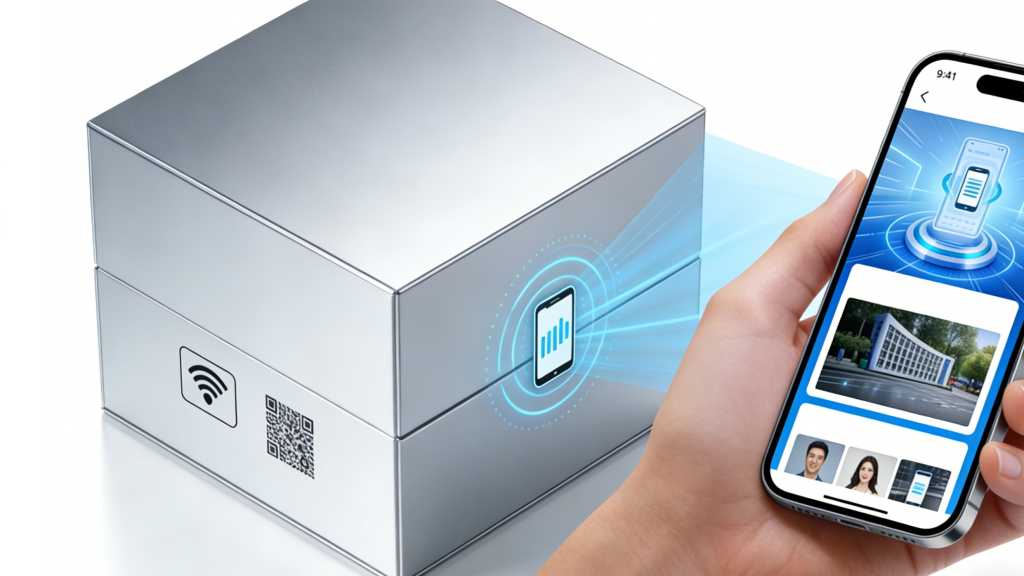
Smart packaging is rapidly becoming a key differentiator in the packaging industry. By integrating technologies such as QR codes, NFC chips, and augmented reality elements, rigid boxes are no longer passive containers but interactive tools that enhance customer engagement. Consumers can scan a package to verify authenticity, access product information, or even experience immersive brand storytelling. This shift is particularly significant in industries like cosmetics, electronics, and luxury goods, where trust and brand experience play a critical role in purchasing decisions. Custom packaging solutions that incorporate smart features allow brands to create a seamless bridge between physical products and digital content, offering added value that goes beyond traditional packaging functions.
In addition to enhancing user interaction, smart rigid box packaging also contributes to supply chain transparency. With embedded tracking technologies, brands can monitor products throughout the distribution process, reducing the risk of counterfeiting and improving logistics efficiency. This level of traceability is becoming increasingly important as consumers demand greater accountability and visibility into the products they purchase. As a result, custom packaging is evolving into a strategic asset that supports both marketing and operational goals.
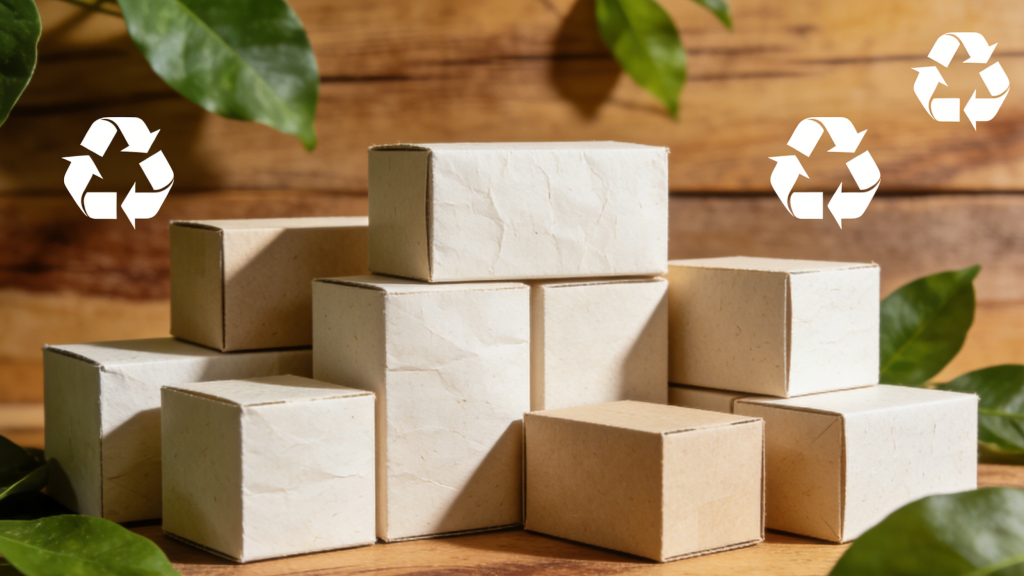
Sustainability is another driving force shaping the future of rigid box packaging. Environmental concerns and stricter regulations are pushing brands to rethink their packaging choices and adopt more eco-friendly practices. Rigid boxes, traditionally made from paperboard, are already considered a more sustainable option compared to plastic packaging. However, innovation is taking sustainability to the next level through the use of recycled materials, biodegradable coatings, and water-based inks. These advancements allow brands to reduce their environmental footprint without compromising on quality or aesthetics.
Design strategies are also adapting to meet sustainability goals. Minimalist packaging designs that use fewer materials and avoid unnecessary components are gaining popularity. At the same time, modular and reusable rigid packaging box designs are becoming a practical solution for extending the lifecycle of packaging materials. For example, magnetic closure boxes and drawer-style rigid boxes can be repurposed by consumers for storage, adding long-term value and reducing waste. Custom packaging that prioritizes both functionality and environmental responsibility is becoming essential for brands that want to align with modern consumer values.
The combination of smart technology and sustainable materials is opening up new possibilities for innovation in rigid box packaging. Brands are increasingly exploring ways to integrate these elements seamlessly into their packaging designs. For instance, a rigid box made from recycled paperboard can feature a discreet QR code that leads to a digital sustainability report, allowing consumers to learn more about the brand’s environmental efforts. This type of integration not only enhances transparency but also strengthens brand credibility and trust.
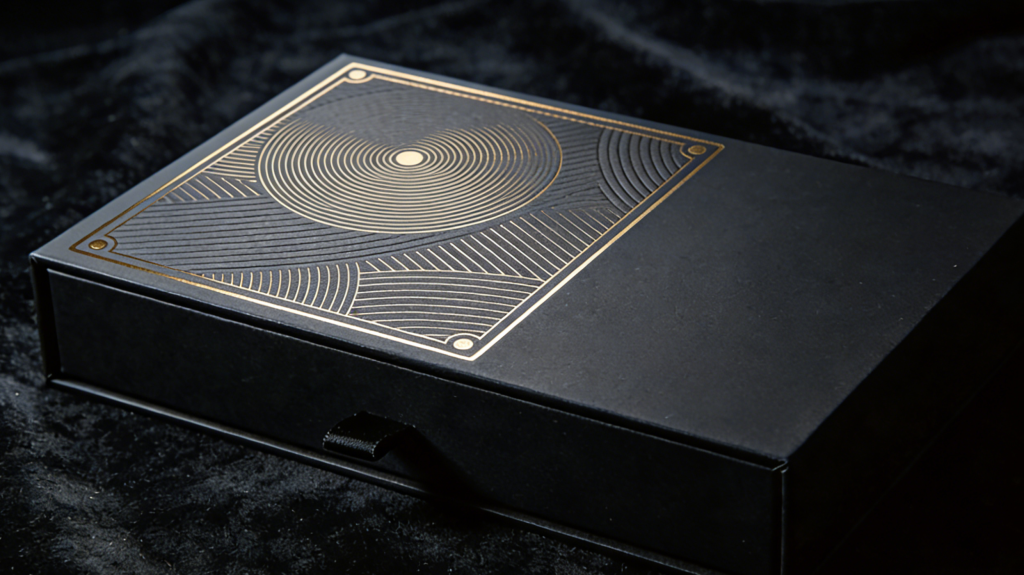
Customization remains at the core of these advancements. Every brand has unique needs, and custom packaging provides the flexibility to tailor rigid box designs to specific products, target audiences, and market positioning. From structural design and material selection to printing techniques and finishing options, customization enables brands to create packaging that stands out while meeting practical requirements. As technology and sustainability continue to evolve, the ability to customize packaging will become even more important in delivering innovative and future-ready solutions.
Looking ahead, the rigid box packaging industry is expected to continue its transformation, driven by ongoing technological advancements and increasing environmental awareness. Smart packaging features will become more sophisticated and accessible, while sustainable materials and processes will become standard rather than optional. Brands that embrace these trends and invest in innovative custom packaging will be better positioned to succeed in a competitive and rapidly changing marketplace.
In conclusion, the future of rigid box packaging lies at the intersection of smart packaging and sustainable innovation. By combining interactive technologies with eco-friendly materials and thoughtful design, custom packaging is evolving into a powerful tool for brand differentiation, customer engagement, and environmental responsibility. As these trends continue to shape the industry, rigid box packaging will play an increasingly important role in delivering both functional and meaningful experiences to consumers.