

Choosing the Right Paper Wrap for Your Rigid Box: Texture, Color, and Performance
Rigid boxes are widely used in premium packaging for cosmetics, electronics, jewelry, and luxury gifts. Their sturdy structure provides excellent product protection, but the outer paper wrap is what truly defines the visual and tactile identity of the packaging. Choosing the right paper wrap for a rigid box involves careful consideration of texture, color, durability, and printing compatibility. These factors work together to shape how customers perceive the brand and the product inside.
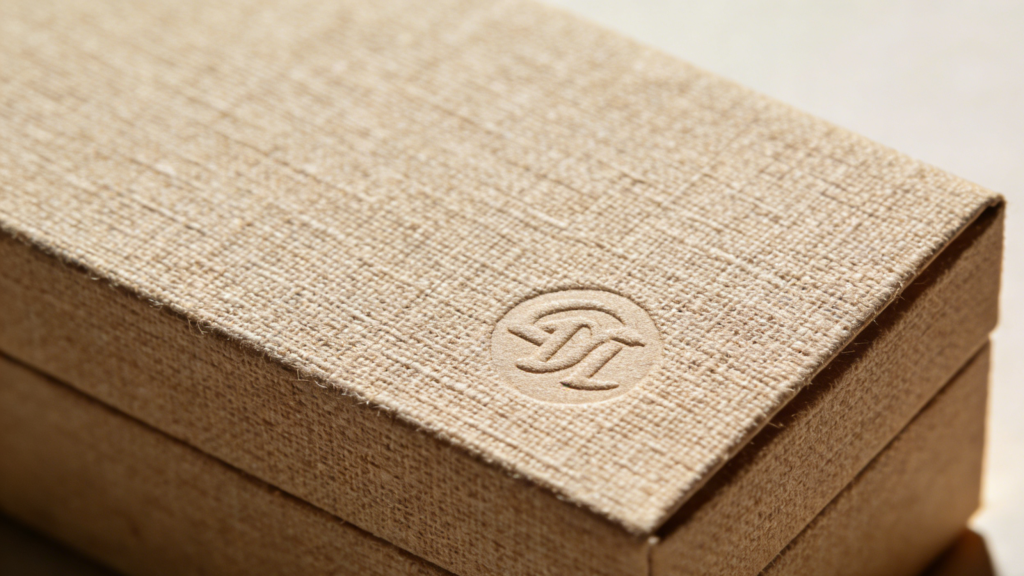
The texture of the paper wrap plays a significant role in the overall user experience. Smooth coated papers create a clean and modern appearance that works well for high-resolution printing, metallic foiling, and detailed graphics. These papers are often used by brands that want vibrant colors and precise logo reproduction. On the other hand, textured papers such as linen, felt, or embossed specialty papers add a tactile dimension that immediately communicates sophistication and craftsmanship. The subtle surface patterns catch light differently and create a premium feel when customers hold the box. Many luxury brands prefer textured wraps because they reinforce the perception of exclusivity and attention to detail.
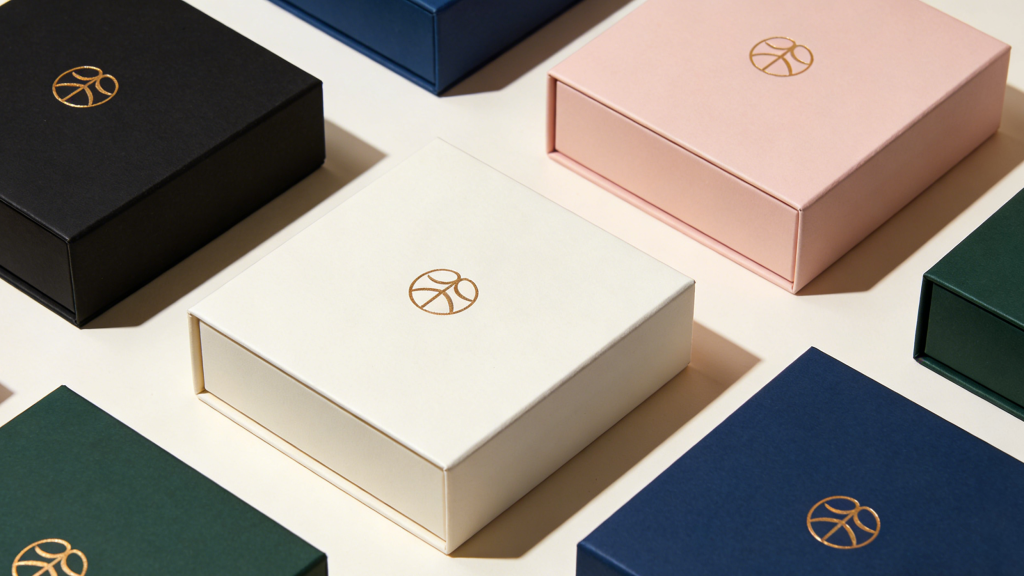
Color selection is another important factor when designing rigid box packaging. The color of the paper wrap should align with the brand identity and product positioning. Dark tones such as black, navy, and deep green often convey elegance and luxury, making them common choices for high-end products like watches, perfumes, or jewelry. Lighter colors such as ivory, pastel shades, or soft neutrals create a sense of simplicity and refinement, which works well for cosmetics and lifestyle brands. Bright and vibrant colors can help a product stand out on retail shelves and attract attention in competitive markets. In addition to solid colors, brands may also choose printed wraps with custom patterns, gradients, or artistic designs that enhance brand storytelling.
Performance is just as important as appearance when selecting a paper wrap for rigid boxes. The paper must be strong enough to withstand lamination, die-cutting, and wrapping processes without tearing or wrinkling. High-quality wrapping papers also ensure that corners remain smooth and sharp after the box is assembled. Papers with proper fiber strength and flexibility make the manufacturing process more efficient and produce a more refined final product. Surface treatments such as matte lamination, gloss lamination, soft-touch coating, or anti-scratch finishes can further improve durability while enhancing the visual appeal of the packaging.
Printing compatibility is another key consideration in rigid box design. Different paper types respond differently to printing techniques such as offset printing, UV printing, hot stamping, and embossing. Coated papers tend to produce sharper images and brighter colors, making them ideal for complex graphics or photographic elements. Uncoated or textured papers, while visually appealing, may absorb ink differently and create a softer printed effect. Designers must balance aesthetics with technical requirements to achieve the desired packaging result.
Sustainability is also becoming an increasingly important factor in packaging material selection. Many brands are choosing recyclable or FSC-certified wrapping papers to reduce environmental impact. Eco-friendly paper wraps can maintain the same high-end appearance while supporting responsible sourcing and sustainable production practices. Consumers are becoming more aware of packaging sustainability, and brands that adopt environmentally responsible materials often gain stronger customer trust.
Another aspect to consider is how the paper wrap interacts with decorative finishing techniques. Rigid boxes often incorporate special effects such as foil stamping, debossing, embossing, spot UV coating, or textured varnishes. The base paper must be compatible with these finishing processes to achieve the desired visual contrast and tactile effect. For example, a strong embossing effect may work better on thicker specialty papers, while foil stamping may appear more striking on darker surfaces. Choosing the right paper ensures that these decorative elements enhance the design rather than compromise it.
In the competitive world of product packaging, rigid boxes serve as a powerful branding tool. The choice of paper wrap influences not only how the packaging looks but also how it feels and performs throughout the product lifecycle. Texture shapes the tactile experience, color communicates brand personality, and paper quality ensures durability and manufacturability. When these elements are carefully balanced, rigid box packaging becomes an effective extension of brand identity and product value.
Ultimately, selecting the right paper wrap requires a combination of design vision and technical knowledge. By considering texture, color harmony, structural performance, and sustainability, brands can create rigid box packaging that captures attention, protects the product, and delivers a memorable unboxing experience. Thoughtfully selected materials help transform a simple box into a premium presentation that strengthens brand perception and enhances customer satisfaction.