

Rigid Box Prototyping: Why Sampling Is Critical Before Mass Production
Rigid box packaging is widely associated with premium products due to its durability, structure, and refined appearance. However, achieving a perfect rigid box requires more than a good design concept. Prototyping, also known as sampling, plays a critical role in ensuring that every detail meets expectations before moving into mass production. Without this step, brands risk costly errors, inconsistent quality, and missed opportunities to optimize both aesthetics and functionality.
Sampling allows brands to transform digital designs into physical reality. While 2D artwork and 3D renderings can provide a general idea, they cannot fully capture how a rigid box feels, opens, or performs in real-world conditions. A prototype makes it possible to evaluate dimensions, structural integrity, and user experience. For example, the thickness of the board, the alignment of edges, and the precision of corners can only be accurately assessed through a physical sample. This ensures that the final product reflects the intended level of quality associated with rigid box packaging.
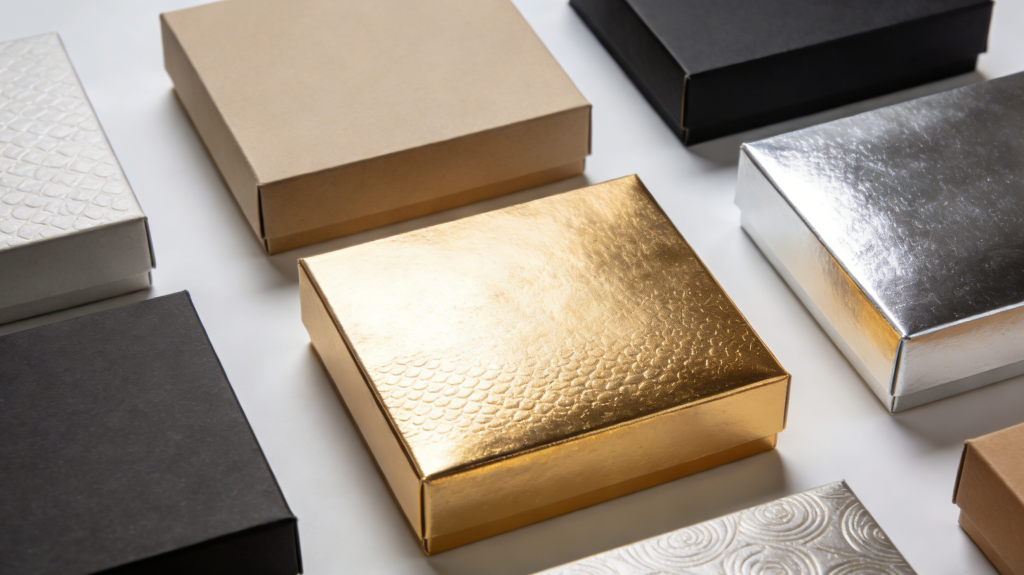
Another key advantage of rigid box prototyping is the ability to test material selection. Different paper wraps, boards, and finishing techniques can significantly impact the final appearance. A matte laminated surface may create a soft, elegant look, while a glossy finish can enhance color vibrancy. Embossing, debossing, foil stamping, and spot UV coatings each produce unique visual and tactile effects. Sampling allows these options to be compared directly, helping brands make informed decisions that align with their positioning and target audience.
Structural testing is equally important during the sampling phase. Rigid boxes often include complex features such as magnetic closures, ribbon pulls, or custom inserts. These elements must function smoothly and consistently. A prototype reveals potential issues, such as misaligned magnets, weak hinges, or inserts that do not securely hold the product. Identifying and correcting these problems early prevents large-scale defects during production, saving both time and cost.
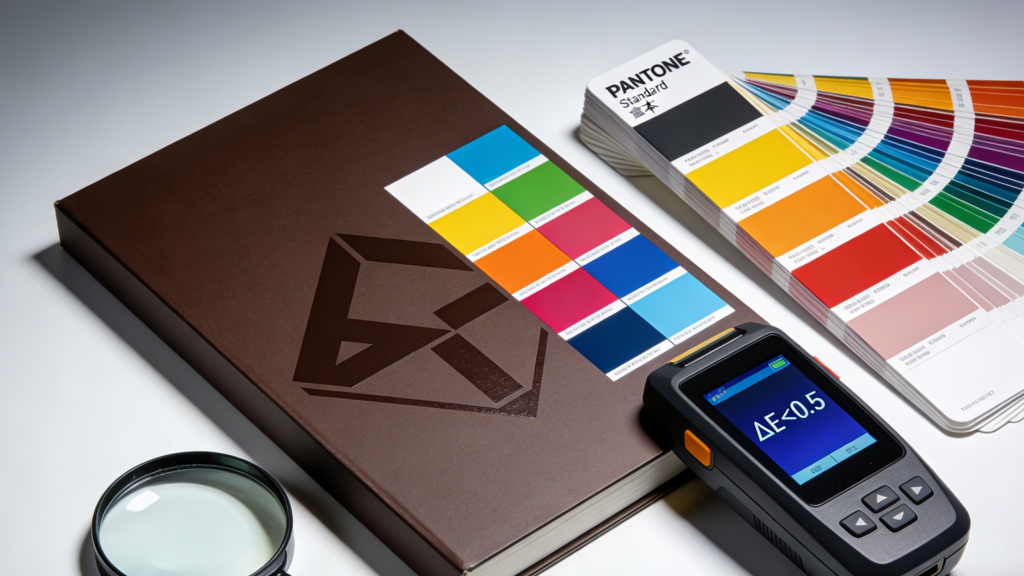
Color accuracy is another critical factor that cannot be overlooked. Printed colors on screen often differ from the final output due to variations in materials, inks, and printing processes. Through sampling, brands can verify color consistency and ensure that branding elements appear as intended. Adjustments can be made to achieve the desired tone and finish, which is especially important for luxury brands that rely on precise color matching to maintain a cohesive identity.
Cost efficiency is one of the most practical reasons to invest in prototyping. While creating samples requires an initial investment, it significantly reduces the risk of expensive mistakes during mass production. Errors discovered after full-scale manufacturing can lead to wasted materials, production delays, and additional shipping costs. Sampling acts as a safeguard, allowing refinements to be made before committing to large quantities.
In addition to technical validation, rigid box prototypes serve as valuable tools for internal review and market testing. Brands can present samples to stakeholders, gather feedback, and make adjustments based on real input. In some cases, prototypes are also used for photography, marketing campaigns, or pre-launch promotions. This adds further value to the sampling process by supporting both product development and brand communication.
Quality control standards are easier to establish with a physical reference. Once a prototype is approved, it becomes the benchmark for mass production. Manufacturers can use the sample to ensure consistency across all units, minimizing variations and maintaining a high level of craftsmanship. This is particularly important for rigid box packaging, where even small imperfections can affect the perceived value of the product.
Ultimately, rigid box prototyping is not an optional step but a critical part of the packaging development process. It bridges the gap between concept and production, ensuring that every detail is carefully considered and optimized. By investing in sampling, brands can achieve better design accuracy, improved functionality, and greater confidence in the final product. This leads to stronger brand presentation, enhanced customer experience, and long-term success in competitive markets.