

How to Select the Best Rigid Box Style for Your Product Category
Selecting the best rigid box style for a specific product category is a critical decision that directly impacts product protection, brand perception, and customer experience. Rigid boxes, also known as set-up boxes, are widely recognized for their durability, premium appearance, and structural strength. However, choosing the right style requires a deep understanding of product characteristics, branding goals, and user expectations.
The first factor to consider when selecting a rigid box style is the nature of the product itself. Different product categories have unique requirements in terms of size, weight, fragility, and presentation. For example, delicate items such as jewelry or cosmetics often benefit from rigid boxes with secure closures and protective inserts, ensuring both safety and an elegant display. On the other hand, heavier products such as electronics or glassware require reinforced structures and thicker greyboard materials to prevent damage during handling and shipping. Matching the structural strength of the rigid box with the physical properties of the product is essential for long-term durability.
Another important aspect is the unboxing experience. In today’s competitive market, packaging is not just about protection; it is also about creating a memorable interaction. Magnetic closure rigid boxes are popular for luxury products because they provide a smooth and satisfying opening experience, reinforcing a sense of exclusivity. Drawer-style rigid boxes, also known as slide-out boxes, are ideal for products that benefit from a layered reveal, adding an element of anticipation. Shoulder-neck rigid boxes offer a premium look with a visible inner frame, making them suitable for high-end branding. Each structure creates a different emotional response, and selecting the right one can significantly enhance customer engagement.

Brand identity plays a central role in determining the best rigid box style. The packaging should reflect the brand’s positioning, whether it is minimalist, luxurious, eco-conscious, or innovative. Clean lines and simple structures are often associated with modern and minimalist brands, while elaborate designs with intricate details convey luxury and sophistication. The choice of finishing techniques, such as matte lamination, gloss coating, foil stamping, embossing, or debossing, further enhances the visual appeal and tactile experience. Consistency between the packaging design and the brand image ensures a cohesive presentation that strengthens brand recognition.
Functionality and practicality should not be overlooked. The rigid box style must align with how the product will be stored, displayed, and transported. For retail environments, boxes that stand upright or stack efficiently are preferred, as they improve shelf visibility and optimize space. For e-commerce, packaging must be robust enough to withstand shipping while maintaining its aesthetic quality upon arrival. Collapsible rigid boxes are an excellent option for businesses looking to reduce shipping volume and costs without compromising on premium presentation. Ease of assembly and usability also contribute to the overall effectiveness of the packaging solution.
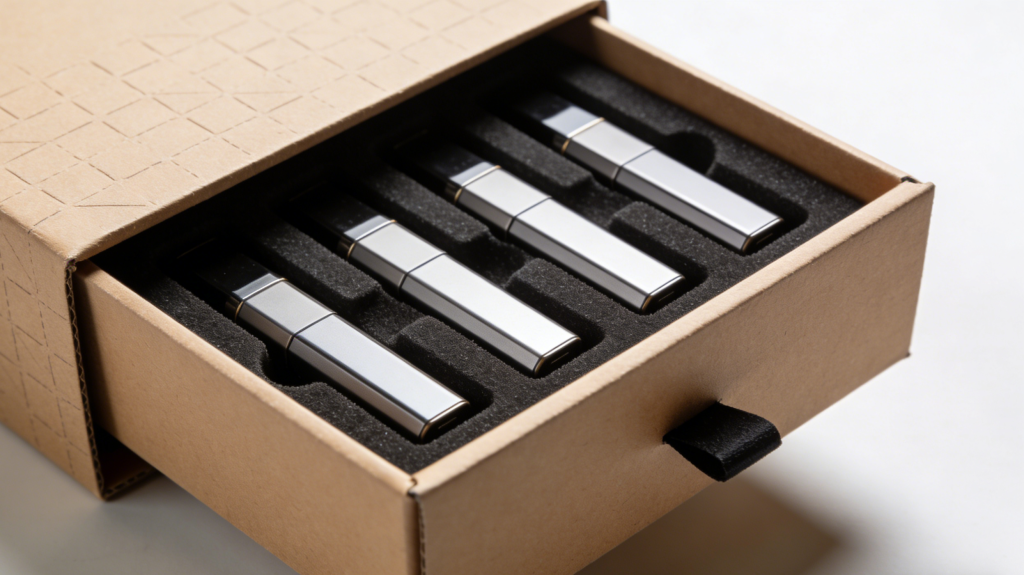
Customization options provide additional flexibility when selecting a rigid box style. Inserts made from foam, EVA, paperboard, or molded pulp can be tailored to hold products in place, preventing movement and damage securely. Interior printing, fabric linings, and unique textures can further elevate the unboxing experience. Custom sizing ensures that the packaging fits the product perfectly, minimizing wasted space and reducing material costs. These elements work together to create a packaging solution that is both functional and visually appealing.
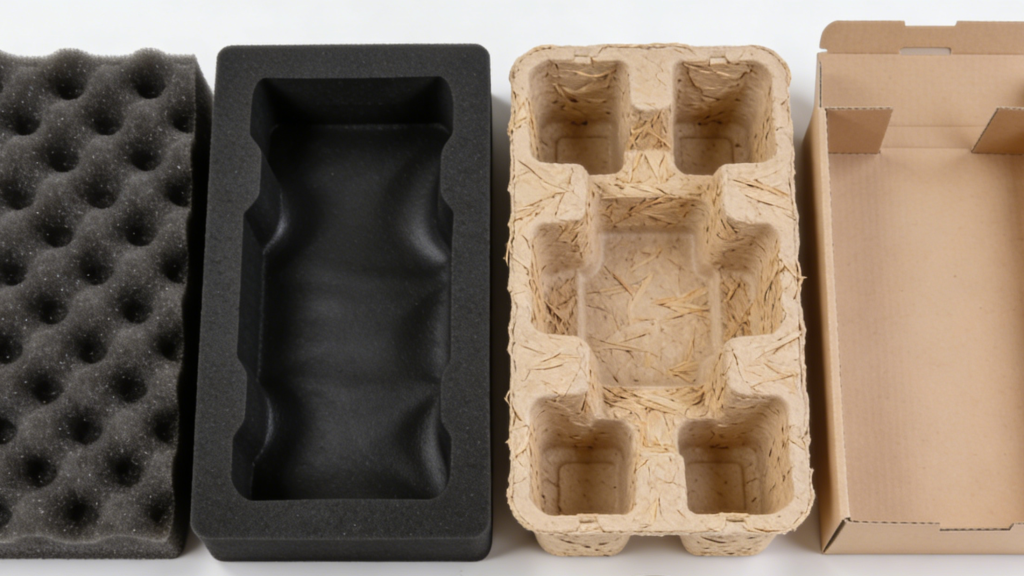
Across all product categories, sustainability is becoming an increasingly important consideration. Many brands are now prioritizing eco-friendly rigid box packaging by using recyclable materials, biodegradable components, and environmentally responsible production methods. Choosing sustainable options not only reduces environmental impact but also enhances brand reputation among environmentally conscious consumers. Balancing sustainability, durability, and design is key to creating a modern packaging solution.
Ultimately, selecting the best rigid box style requires a strategic approach that considers product requirements, brand identity, user experience, and logistical factors. A well-chosen rigid box not only protects the product but also communicates value, builds brand recognition, and creates a lasting impression. By carefully evaluating these elements, businesses can develop packaging that aligns with their goals and stands out in a competitive marketplace.