

Custom Inserts for Rigid Boxes: Foam, EVA, Paper, and More
Custom inserts play a vital role in enhancing the functionality and presentation of rigid box packaging. In modern packaging design, inserts are no longer just protective components but are also essential elements that contribute to brand identity, product safety, and the overall unboxing experience. Whether used for luxury items, electronics, cosmetics, or fragile goods, selecting the right insert material is crucial for achieving both visual appeal and structural performance.
Foam inserts are among the most widely used options for rigid boxes due to their excellent cushioning properties. Materials such as polyurethane foam and polyethylene foam provide strong shock absorption, making them ideal for delicate or high-value products. Foam inserts can be precisely cut to match the shape of the product, ensuring a secure fit that minimizes movement during transportation. Additionally, foam can be customized in various densities and colors, allowing brands to create a premium and protective packaging solution that aligns with their aesthetic requirements.
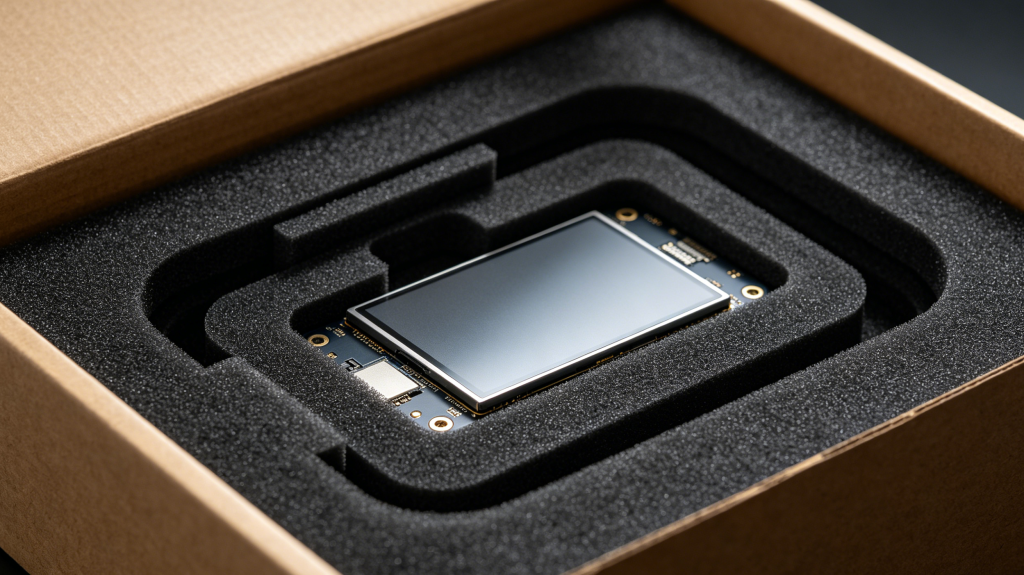
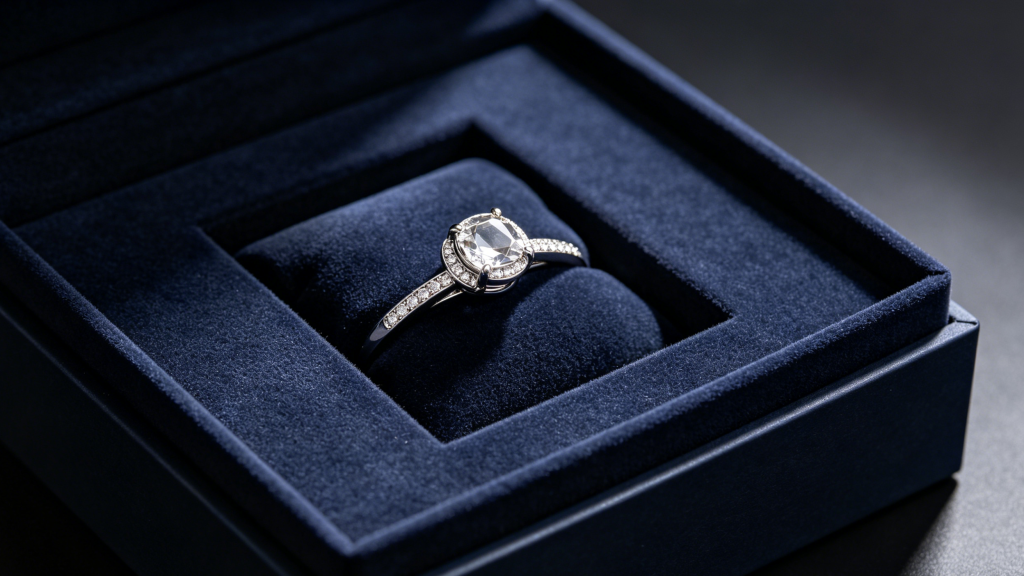
EVA inserts are another popular choice, particularly for high-end packaging applications. EVA, or ethylene-vinyl acetate, offers a smoother surface and higher durability compared to standard foam materials. Its flexibility and resilience make it suitable for products that require both protection and an upscale presentation. EVA inserts are often used in luxury packaging for electronics, jewelry, and promotional gift sets, as they provide a refined look while maintaining excellent structural support. The ability to incorporate different finishes, such as flocking or lamination, further enhances the perceived value of the packaging.
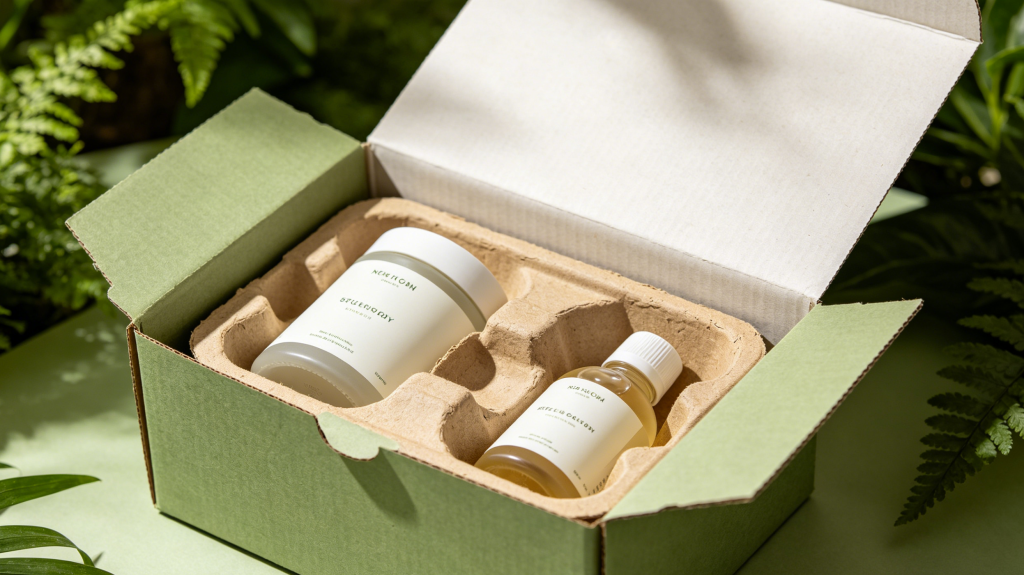
Paper-based inserts are gaining increasing attention as sustainability becomes a key concern in packaging design. Made from materials such as cardboard, molded pulp, or corrugated paper, these inserts offer an eco-friendly alternative to plastic-based options. Paper inserts can be engineered to provide sufficient strength and stability while remaining lightweight and recyclable. Advances in die-cutting and folding techniques allow for creative structural designs that securely hold products in place without compromising environmental goals. For brands aiming to reduce their carbon footprint, paper inserts present a practical and responsible solution.
In addition to foam, EVA, and paper, other insert materials cater to specific packaging needs. Plastic trays, for example, are commonly used for products that require precise positioning and visibility, such as cosmetics or consumer electronics. Fabric-lined inserts, including velvet or satin, are often incorporated into luxury rigid boxes to create a soft and elegant presentation. Magnetic or modular inserts can also be designed for multi-product packaging, offering flexibility and convenience for both retailers and end users.
The choice of insert material depends on several factors, including product fragility, weight, branding requirements, and budget considerations. A well-designed insert not only protects the product but also enhances the overall packaging experience by guiding how the product is presented and accessed. In rigid box packaging, where presentation is a key selling point, inserts contribute significantly to the perceived quality and professionalism of the brand.
Manufacturing precision is essential when producing custom inserts for rigid boxes. Accurate measurements and prototyping ensure that the insert fits perfectly within the box and securely holds the product. Poorly designed package inserts can lead to product damage, increased return rates, and even a deterioration of the customer experience. Therefore, thorough testing and quality control are necessary to achieve consistent results in bulk production.
A further key aspect to consider is achieving the right harmony between visual appeal and practical performance. While protection is the primary purpose of inserts, visual presentation should not be overlooked. Color coordination, material texture, and finishing details all influence how the product is perceived by the end user. A well-integrated insert design creates a seamless connection between the product and its packaging, reinforcing brand identity and enhancing customer satisfaction.
As packaging trends continue to evolve, the demand for innovative insert solutions is expected to grow. Brands are increasingly seeking customized designs that combine sustainability, durability, and visual impact. By carefully selecting materials such as foam, EVA, paper, and other specialized options, rigid box packaging can achieve a perfect balance between protection and presentation, ultimately delivering a superior unboxing experience.