

How to Optimize Rigid Box Packaging for Retail Display
Rigid box packaging plays a critical role in retail environments where first impressions directly influence purchasing decisions. Unlike standard folding cartons, rigid boxes offer a premium structure, superior durability, and an elevated visual appeal that aligns with high-end branding. Optimizing rigid box packaging for retail display requires a strategic balance between aesthetics, functionality, and brand storytelling. Every detail, from structural design to finishing techniques, contributes to how a product is perceived on the shelf.
One of the most important factors in optimizing rigid box packaging for retail display is visual impact. In a competitive retail setting, packaging must immediately capture attention while communicating brand identity. This is achieved through thoughtful use of color, typography, and graphic elements. High-contrast designs, unique patterns, and consistent branding elements help create recognition and differentiation. Finishing techniques such as foil stamping, embossing, debossing, and spot UV can further enhance visual appeal by adding texture and depth, making the packaging more engaging under retail lighting conditions.

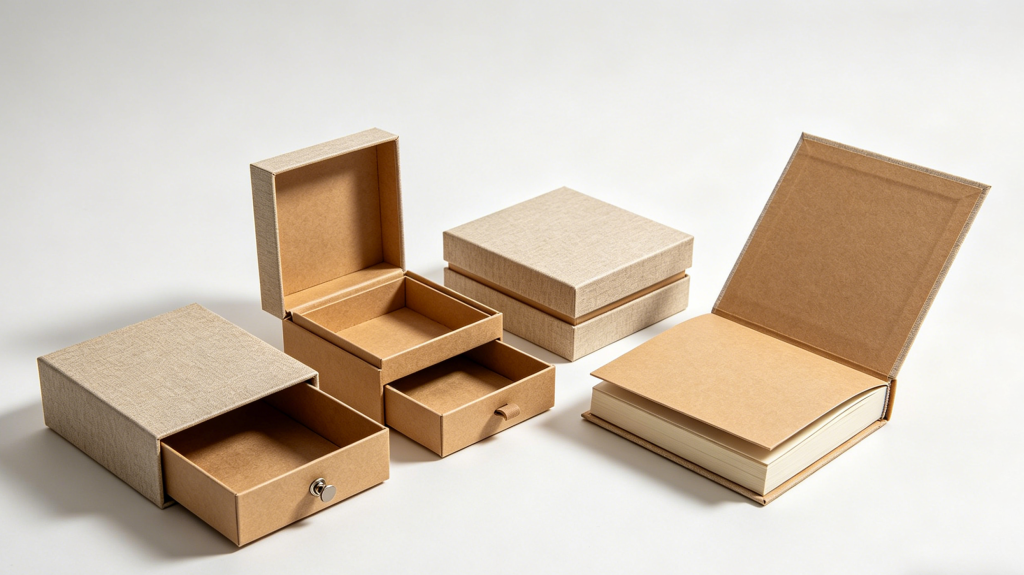
Structural design also plays a key role in retail optimization. Rigid boxes come in various styles such as magnetic closure boxes, drawer boxes, lift-off lid boxes, and book-style boxes. Each structure offers a different user experience and displays potential. For retail environments, packaging that can stand upright securely or stack efficiently provides better shelf utilization. Structural stability ensures that the packaging maintains its shape even after repeated handling by customers, which is essential for maintaining a premium appearance throughout the product lifecycle.
Another critical aspect is product visibility. While rigid boxes are typically closed packaging, incorporating design elements that hint at the product inside can significantly enhance retail performance. Options such as die-cut windows, partial openings, or transparent lids allow customers to preview the product without compromising protection. This approach builds trust and reduces hesitation during the purchasing process, especially for products where visual quality is a key selling point.
Brand storytelling is another powerful tool in retail packaging optimization. Rigid box packaging provides ample surface area for conveying brand messages, product benefits, and emotional narratives. Carefully crafted text, imagery, and design elements can communicate a brand’s values and create a connection with consumers. This storytelling aspect transforms packaging from a simple container into a marketing asset that enhances the overall customer experience.
Material selection is equally important when designing rigid box packaging for retail display. High-quality greyboard combined with premium paper wraps ensures both durability and a refined appearance. Specialty papers, textured finishes, and eco-friendly materials can further elevate the perceived value of the product. In addition, the choice of materials should align with the brand’s positioning, whether it emphasizes luxury, sustainability, or innovation.
Lighting conditions in retail environments should also be considered during the design process. Glossy finishes reflect light and create a vibrant, eye-catching effect, while matte finishes offer a more subtle and sophisticated look. Combining different finishes within the same design can create contrast and highlight key branding elements. This interaction with lighting can significantly influence how the packaging stands out on the shelf.
Functionality should not be overlooked when optimizing rigid box packaging. Easy opening mechanisms, secure closures, and reusable designs contribute to a positive user experience. Packaging that can be repurposed or reused adds value for consumers and reinforces brand perception. Additionally, packaging should be designed to withstand transportation and handling without losing its visual integrity, ensuring that it arrives in retail stores in perfect condition.
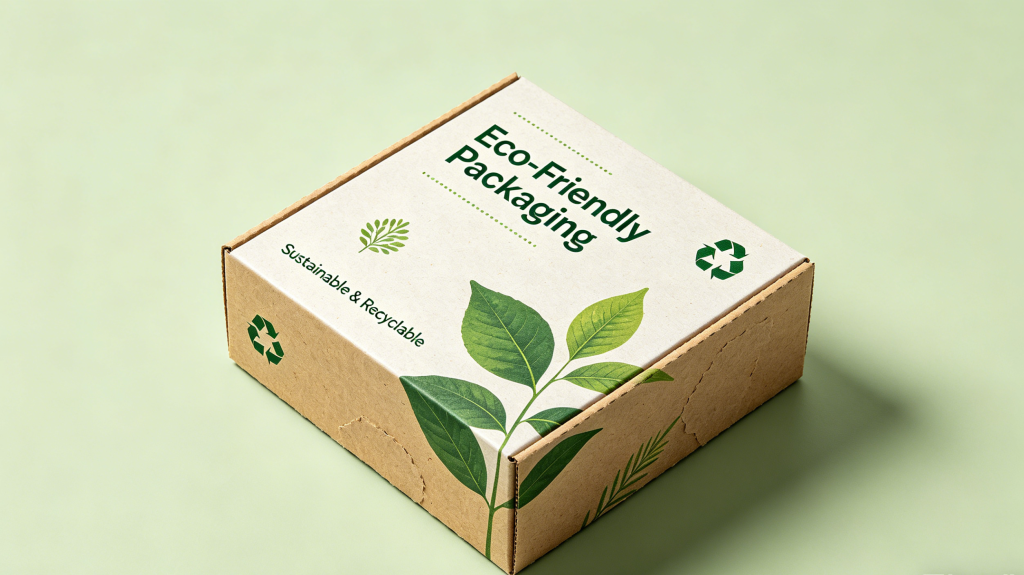
Sustainability is becoming an increasingly important factor in retail packaging decisions. Many consumers prefer brands that use environmentally responsible materials and processes. Incorporating recyclable materials, reducing unnecessary components, and using eco-friendly inks can enhance brand image while meeting regulatory requirements. Sustainable rigid box packaging not only benefits the environment but also strengthens consumer trust.
Finally, optimizing rigid box packaging for retail display requires a holistic approach that integrates design, materials, and functionality. Every element must work together to create a cohesive and compelling presentation that attracts attention, communicates value, and enhances the shopping experience. By focusing on these factors, rigid box packaging can effectively support brand positioning and drive retail success.