

How to Choose Between Matte and Gloss Finishes for Rigid Boxes
In the world of premium packaging, finishing plays a crucial role in shaping how a product is perceived. Rigid boxes are widely used for luxury goods, cosmetics, electronics, and gift packaging, and the choice between matte and gloss finishes can significantly influence the overall presentation. Understanding the differences between these two finishes is essential for brands that want to create impactful custom rigid box packaging that aligns with their identity and market positioning.
Matte finishes are known for their soft, non-reflective appearance, which creates a subtle and sophisticated look. This type of finish diffuses light rather than reflecting it, resulting in a smooth and elegant surface that feels refined to the touch. Matte rigid boxes are often associated with premium branding, minimalism, and understated luxury. They work particularly well for high-end products that aim to convey exclusivity and calmness, such as skincare, jewelry, and boutique items. In addition to aesthetics, matte finishes are less likely to show fingerprints or smudges, making them a practical choice for packaging that will be handled frequently.
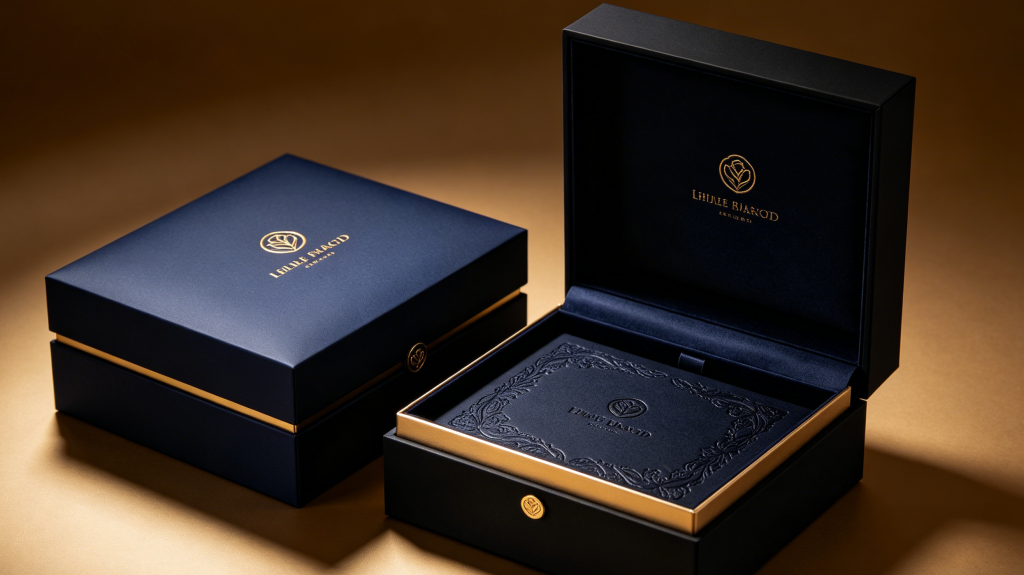
Gloss finishes, on the other hand, offer a shiny and reflective surface that enhances color vibrancy and visual impact. This finish reflects light, making printed graphics appear more vivid and eye-catching. Gloss rigid boxes are ideal for brands that want to stand out on retail shelves or create a bold and energetic impression. They are commonly used for consumer electronics, toys, and promotional packaging where visibility and attention are key factors. However, gloss surfaces tend to show fingerprints and scratches more easily, which may affect the perceived quality if not handled properly.
When choosing between matte and gloss finishes for custom rigid boxes, brand positioning should be the first consideration. A luxury brand with a focus on elegance and subtlety may benefit more from a matte finish, as it reinforces a sense of exclusivity and refinement. In contrast, a brand targeting a younger or more dynamic audience may prefer gloss finishes to create a vibrant and engaging visual experience. The finish should complement the brand’s tone and message, ensuring consistency across all packaging elements.
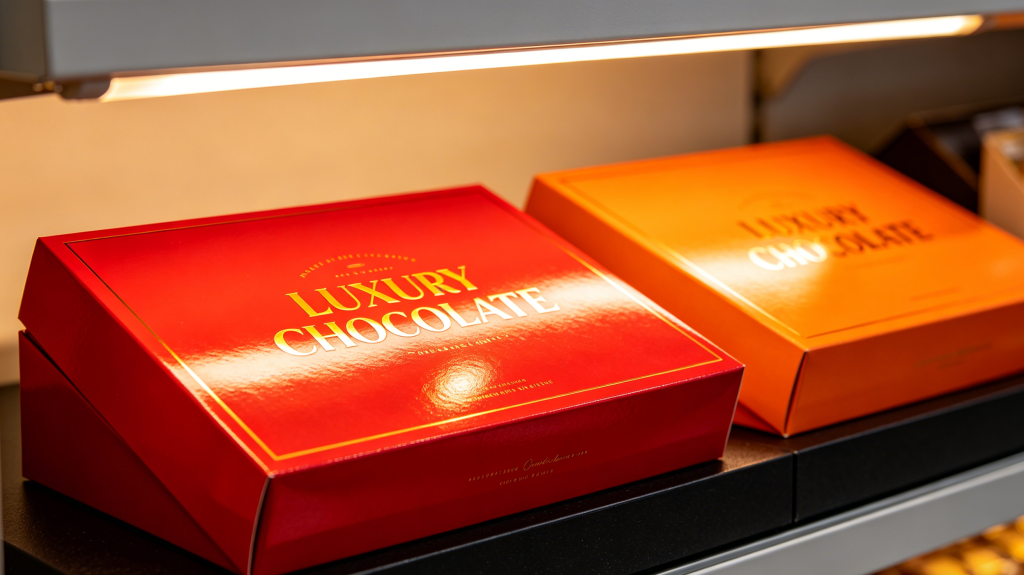
Another important factor is the type of product being packaged. Products that rely on tactile experience, such as perfumes or high-end accessories, often pair well with matte finishes because of their soft touch and premium feel. Meanwhile, products that depend heavily on visual appeal, such as colorful cosmetics or tech gadgets, may benefit from gloss finishes that enhance brightness and contrast. The interaction between the packaging and the product should always be carefully considered to achieve the best results.
Printing and finishing techniques also play a role in the decision-making process. Matte surfaces tend to work well with techniques like embossing, debossing, and foil stamping, as these elements stand out more clearly against a muted background. Gloss finishes, meanwhile, can amplify printed patterns and images, making them more striking. Some brands choose to combine both finishes, using matte lamination as a base with spot gloss accents to highlight specific design elements such as logos or patterns. This hybrid approach can create a unique and visually engaging packaging design.
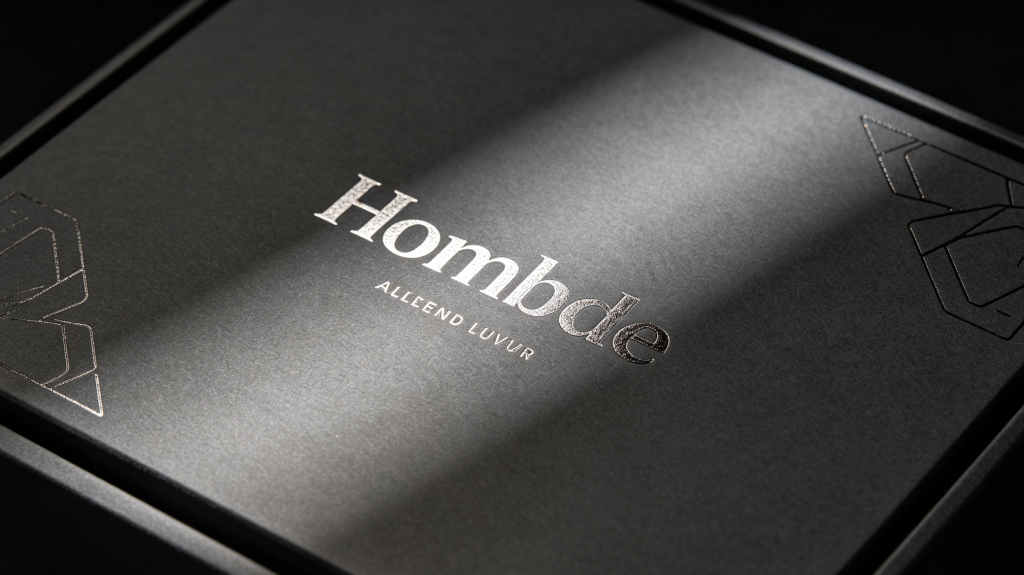
Durability and usability should not be overlooked. Matte finishes are generally more resistant to visible wear, making them suitable for long-term use or packaging that will be transported frequently. Gloss finishes, while visually appealing, may require additional protective coatings to maintain their appearance over time. Understanding the logistics and usage conditions of the packaging can help determine which finish is more suitable.
Cost and production considerations may also influence the choice. Both matte and gloss finishes are widely available, but the final cost can vary depending on additional treatments and customization requirements. Brands should balance their design preferences with budget constraints to achieve an optimal solution.
Ultimately, selecting between matte and gloss finishes for rigid boxes is not just about aesthetics, but about aligning packaging design with brand identity, product characteristics, and market strategy. By carefully evaluating these factors, businesses can create custom rigid box packaging that not only protects their products but also enhances their overall brand experience and appeal.