

The Role of Color Psychology in Rigid Box Packaging Design
Color plays a powerful and often underestimated role in rigid box packaging design, influencing not only the visual appeal of a product but also shaping consumer perception, emotional response, and purchasing decisions. In competitive retail and e-commerce environments, where first impressions are formed within seconds, the strategic use of color can significantly enhance brand communication and product positioning. Rigid box packaging, known for its premium structure and durability, offers an ideal canvas for applying color psychology to create a strong and memorable brand identity.
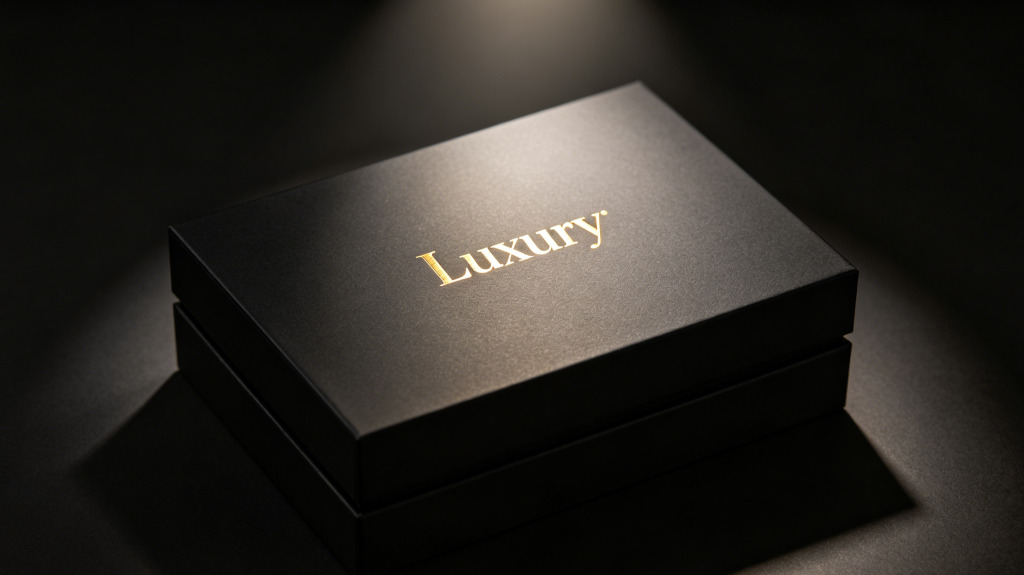
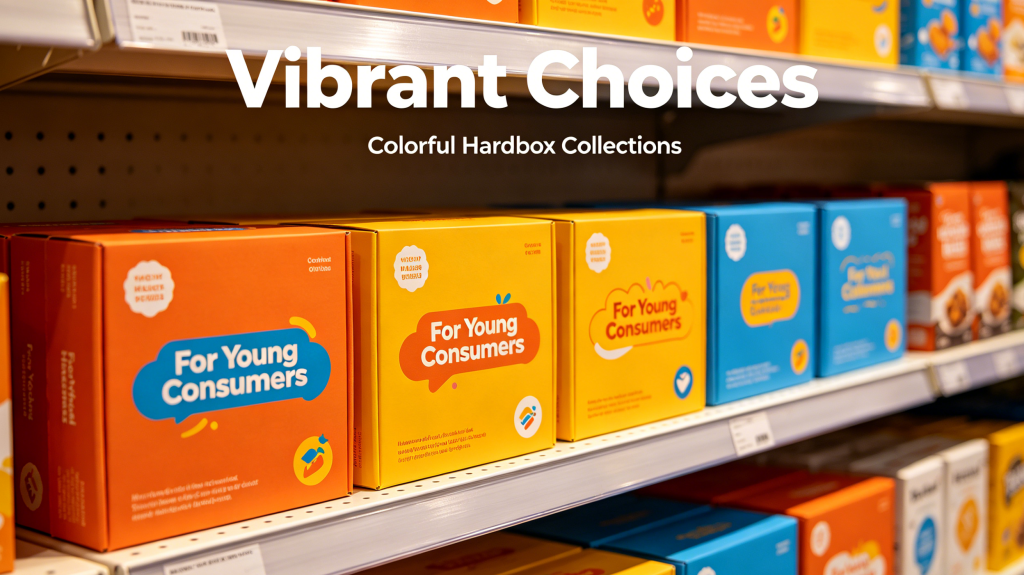
Color psychology refers to the study of how colors affect human emotions and behavior. In packaging design, this concept is used to evoke specific feelings and associations that align with a brand’s message. For example, black is often associated with luxury, sophistication, and exclusivity, making it a popular choice for high-end products such as cosmetics, jewelry, and electronics. White, on the other hand, conveys simplicity, cleanliness, and minimalism, which is ideal for brands that emphasize purity or modern aesthetics. Red is known for its ability to capture attention and evoke excitement or urgency, making it suitable for promotional packaging or products targeting younger audiences.
In rigid box packaging design, the choice of color goes beyond aesthetics and directly impacts brand recognition. Consistent use of brand colors across packaging helps create a cohesive visual identity, making products easily recognizable on store shelves or online platforms. For instance, a luxury brand that consistently uses deep navy or matte black rigid boxes with subtle gold accents can establish a strong association with elegance and quality. Over time, consumers begin to identify the brand through its packaging colors even before seeing the logo.
Different industries also rely on specific color palettes to communicate trust and functionality. In the electronics sector, shades of blue and gray are commonly used to convey reliability, innovation, and professionalism. In the food and beverage industry, green is often associated with health, freshness, and sustainability, while warm colors like orange and yellow can stimulate appetite and create a sense of comfort. By understanding these associations, brands can select colors that resonate with their target audience and reinforce their product’s value proposition.
The effectiveness of color in rigid box packaging is further enhanced when combined with appropriate finishing techniques. Matte finishes tend to create a soft and understated look, reinforcing feelings of sophistication and subtlety, while glossy finishes add vibrancy and energy to the colors, making them more eye-catching. Techniques such as foil stamping, embossing, and spot UV can be used to highlight specific elements of the design, creating contrast and adding depth. For example, a matte black rigid box with gold foil stamping can create a striking visual contrast that enhances the perception of luxury and exclusivity.
Cultural differences also play an important role in color perception and should be carefully considered in global packaging strategies. A color that symbolizes prosperity in one culture may have a completely different meaning in another. Red, for example, is associated with luck and celebration in many Asian cultures, while in some Western contexts it may be linked to urgency or caution. Brands operating in international markets need to conduct thorough research to ensure that their color choices are appropriate and effective across different regions.
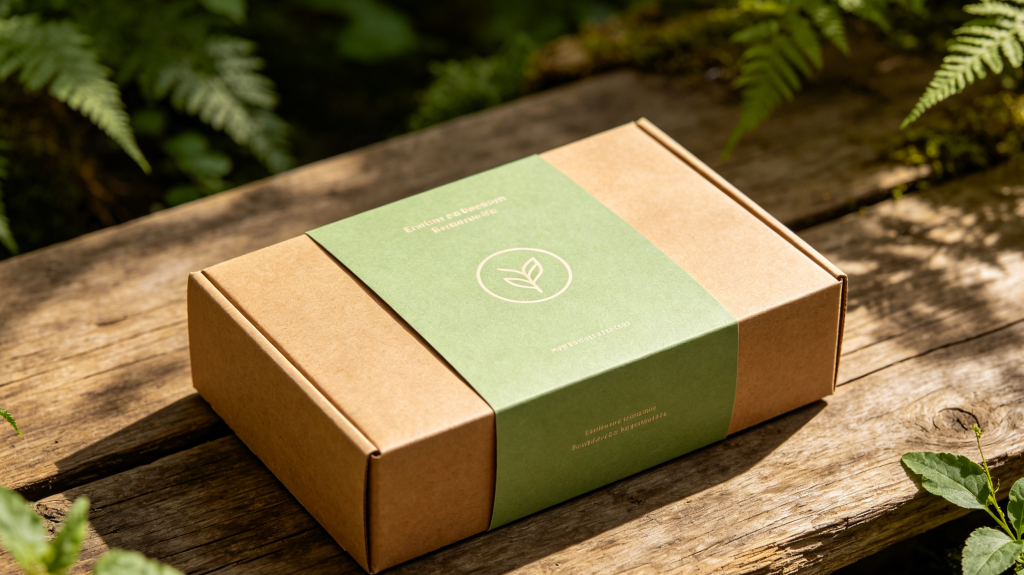
Sustainability trends are also influencing color choices in rigid box packaging. As consumers become more environmentally conscious, there is a growing preference for natural and earthy tones such as brown, beige, and muted green. These colors often reflect the use of recycled materials and eco-friendly production processes, helping brands communicate their commitment to sustainability. Uncoated or kraft paper finishes combined with minimalistic color schemes can further enhance this perception.
In conclusion, color psychology is a critical element in rigid box packaging design that goes far beyond visual decoration. It serves as a strategic tool for conveying brand identity, influencing consumer emotions, and differentiating products in a crowded marketplace. By carefully selecting colors that align with brand values, target audience preferences, and cultural contexts, and by combining these choices with appropriate materials and finishing techniques, rigid box packaging can achieve both functional and emotional impact. As competition continues to intensify, the thoughtful application of color psychology will remain a key factor in creating packaging that not only protects products but also drives consumer engagement and brand loyalty.