

How to Customize Rigid Boxes for Different Market Segments
Rigid box packaging has become an essential part of modern branding strategies because it combines premium appearance, structural durability, and high customization flexibility. Different industries and customer groups have unique packaging requirements, which means rigid boxes must be carefully designed to match the expectations of specific market segments. From luxury cosmetics and jewelry to electronics, food, fashion, and subscription products, customized rigid boxes help brands improve product presentation, strengthen customer engagement, and enhance perceived value.
The customization process for rigid boxes begins with understanding the target market. Each market segment has different priorities regarding packaging aesthetics, functionality, sustainability, and customer experience. Luxury brands often focus on elegant finishing and sophisticated details, while e-commerce brands prioritize durability and shipping protection. Retail packaging may emphasize shelf visibility and eye-catching graphics, whereas eco-conscious brands prefer recyclable materials and minimalist design styles. Successful rigid box customization depends on aligning packaging structure and visual identity with the purchasing behavior of the target audience.
Luxury market segments typically require rigid boxes with premium finishing techniques and refined structural details. High-end cosmetics, watches, jewelry, perfumes, and fashion accessories often use magnetic closure rigid boxes, shoulder neck boxes, or drawer-style rigid boxes to create a sophisticated unboxing experience. Surface finishing plays a critical role in luxury packaging customization. Foil stamping, embossing, debossing, spot UV, soft-touch lamination, and textured specialty papers are frequently used to increase visual appeal and tactile quality. Dark color palettes such as black, navy blue, emerald green, and burgundy are popular in luxury packaging because they communicate exclusivity and elegance. Interior inserts made from EVA foam, velvet, satin, or molded pulp further improve product protection and presentation.
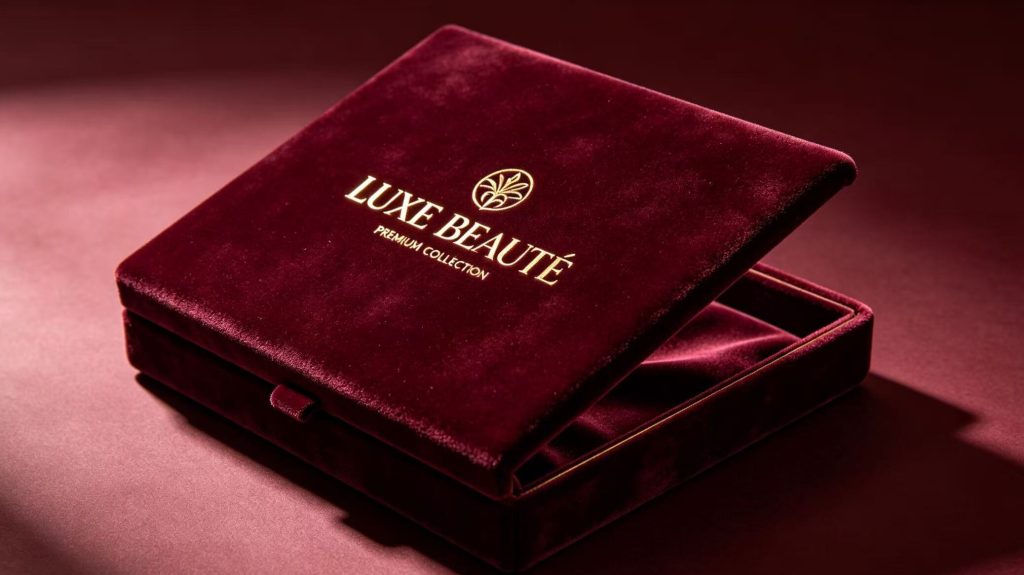
For cosmetics and skincare brands, rigid boxes must balance visual attractiveness with functional product protection. Cosmetic packaging often includes custom inserts that securely hold glass bottles, jars, or delicate skincare containers during transportation. Minimalist packaging designs with clean typography and soft color schemes are currently trending in the beauty industry. Many skincare brands also prefer eco-friendly rigid box materials to strengthen their sustainability image. Matte finishes, recyclable paper wraps, and soy-based inks are increasingly used to appeal to environmentally conscious consumers. Packaging for premium cosmetics also frequently incorporates magnetic closures and ribbon pull tabs to improve the customer experience.
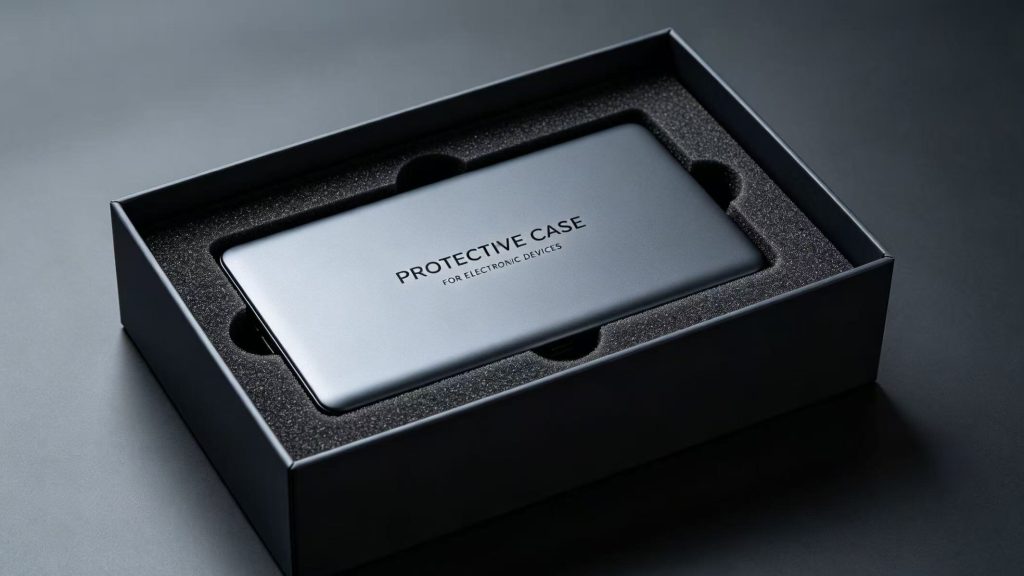
Electronics packaging requires a completely different customization strategy. Products such as headphones, smart devices, mobile accessories, and technology gadgets demand rigid boxes with strong structural support and shock-resistant inserts. Precision-engineered inserts made from EVA foam or cardboard dividers help secure products and accessories inside the box. Electronics brands usually prefer modern and minimalist packaging aesthetics that reflect innovation and technical sophistication. Clean white packaging, metallic accents, and simple branding elements are commonly used in this market segment. Product information, QR codes, and user instructions are often integrated into the packaging design to improve usability and communication.
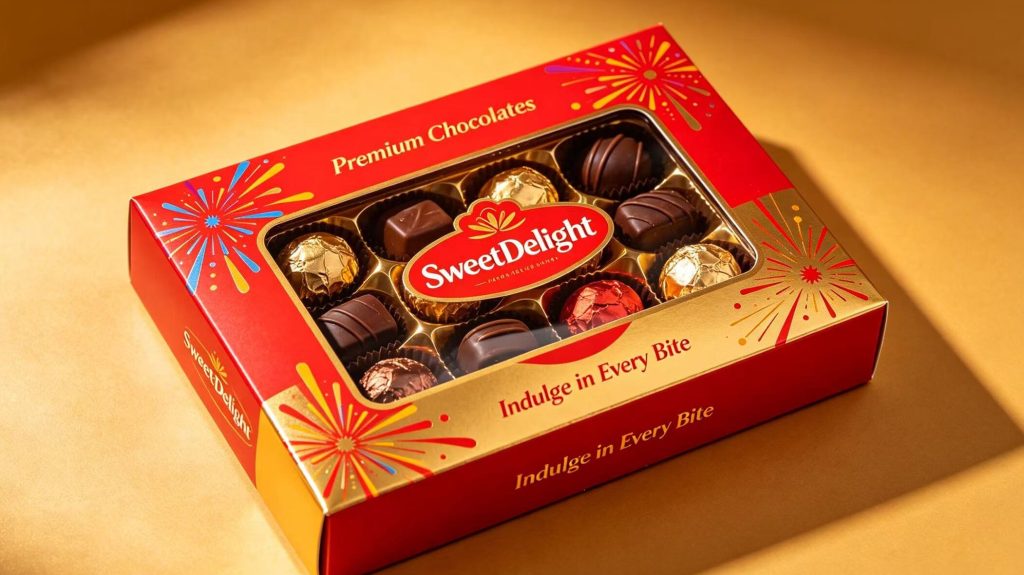
Food and beverage brands also benefit from customized rigid box packaging, especially in premium gift markets. Tea, chocolate, wine accessories, gourmet snacks, and holiday gift sets frequently use rigid boxes to create a high-end presentation. Food-grade materials and safe printing processes are important considerations for this market segment. Seasonal customization is particularly valuable for food packaging because brands often launch limited-edition products for holidays, festivals, and corporate gifting campaigns. Custom inserts and compartment dividers help organize multiple products inside the box while enhancing visual presentation.
Subscription box businesses represent another rapidly growing market segment for rigid box packaging. Many subscription brands use fully printed rigid boxes with vibrant graphics, personalized messages, and social media-friendly designs to create memorable unboxing experiences. Structural strength is especially important because subscription packages are frequently transported over long distances. Reinforced corners, durable greyboard materials, and protective inserts help maintain packaging quality throughout the shipping process.
Sustainable packaging customization has also become increasingly important across all market segments. Many brands now prefer recyclable rigid boxes, biodegradable materials, and FSC-certified paper to reduce environmental impact. Minimalist printing designs and reusable box structures are becoming more popular because consumers increasingly value environmentally responsible packaging. Some companies intentionally design rigid boxes that can be reused for storage purposes, which extends packaging lifespan and improves customer perception of brand sustainability.
Customization options for rigid boxes are nearly unlimited. Brands can choose from various box structures, including lid and base boxes, magnetic closure boxes, foldable rigid boxes, drawer boxes, book-style boxes, and collapsible boxes. Material thickness, paper texture, printing technology, finishing techniques, and insert styles can all be adjusted according to product requirements and market positioning. The flexibility of rigid box packaging allows businesses to create highly distinctive packaging solutions that support branding and product differentiation.
Choosing the right rigid box manufacturer is also an important part of successful packaging customization. Professional manufacturers can provide structural engineering support, material recommendations, prototype development, and quality control services throughout the production process. An experienced supplier can help brands optimize packaging costs while maintaining premium quality standards. Factors such as production capacity, customization capabilities, export experience, and finishing technology should all be considered when selecting a rigid box packaging partner.
As consumer expectations continue to evolve, rigid box packaging will remain a powerful branding tool across different industries. Businesses that invest in customized rigid box solutions tailored to specific market segments can improve customer experience, strengthen brand recognition, and increase product competitiveness in both retail and e-commerce environments.