

The Impact of Packaging on Customer Retention and Brand Loyalty
In the crowded marketplace of today, where countless brands compete for the same consumer attention, customer retention has become the ultimate metric of sustainable success. Acquiring a new customer can cost anywhere between five and seven times more than retaining an existing one, which is why smart brands are increasingly scrutinizing every touchpoint that influences repeat purchase behavior. Among these touchpoints, one element has consistently proven its power yet often remains underestimated: packaging. More specifically, custom rigid box packaging has emerged as a strategic asset capable of transforming a one-time buyer into a loyal advocate, not merely by protecting a product but by orchestrating an emotional experience that lingers long after the box is opened.
The psychological mechanism behind packaging-driven loyalty is rooted in the concept of perceived value and the peak-end rule, a cognitive bias where people judge an experience largely based on how they felt at its most intense point and at its end. For an online shopper, the culmination of the purchase journey is the moment the package arrives and is opened. When that moment is elevated by the substantial weight, the smooth touch of a soft-touch laminate, and the gentle resistance of a magnetic closure giving way, the entire brand perception shifts upward. A rigid box signals permanence, care, and a refusal to cut corners. Research from Dotcom Distribution indicates that 40 percent of consumers are likely to make a repeat purchase from a brand that delivers its products in premium packaging. Another study shows that 52 percent of consumers feel more positively about a brand when their order arrives in customized, gift-like packaging. These are not marginal effects; they represent a direct channel through which physical presentation translates into commercial loyalty.
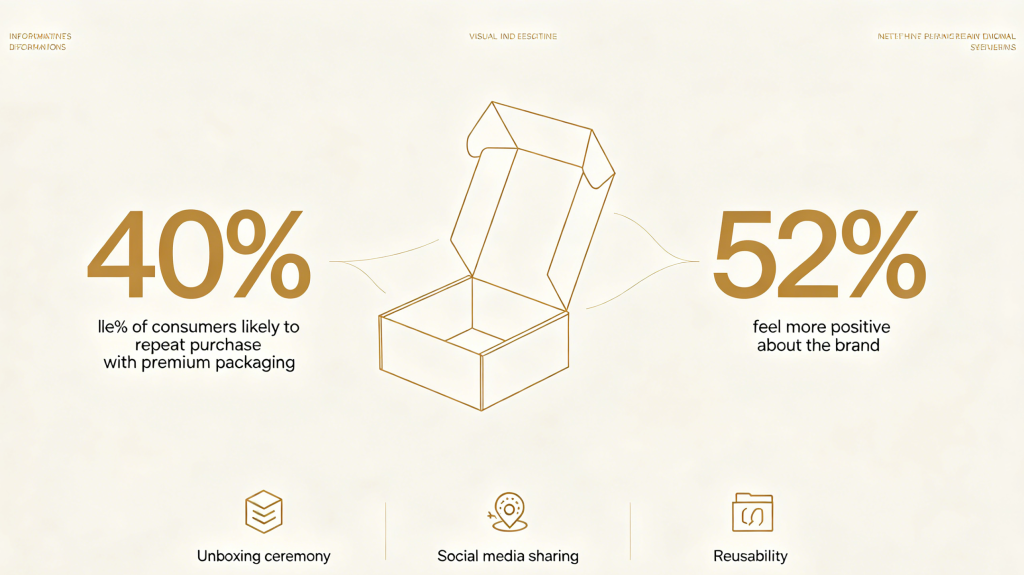
Custom rigid boxes operate on a sensory level that digital advertising simply cannot replicate. The tactile dimension of a rigid box—its structural integrity, the texture of its surface, the precision of its fit—communicates quality before the product inside is ever revealed. A box with a velvet-lined interior, an embossed logo, or foil-stamped detailing does more than contain an item; it frames that item as precious. This framing effect has profound implications for customer retention. When a customer feels that a brand has invested in their unboxing experience, they unconsciously reciprocate with trust and preference. The rigid box becomes a physical manifestation of the brand’s promise, and when that promise is consistently delivered through every detail—from the protective foam insert that holds a product immaculately in place to the perfectly aligned magnetic flap that closes with a satisfying, silent confirmation—the customer forms a reliability association that directly reduces churn. In subscription-based models, especially, the packaging is often the only physical interaction a customer has with a brand regularly, making it the single most important retention tool in the entire customer lifecycle.
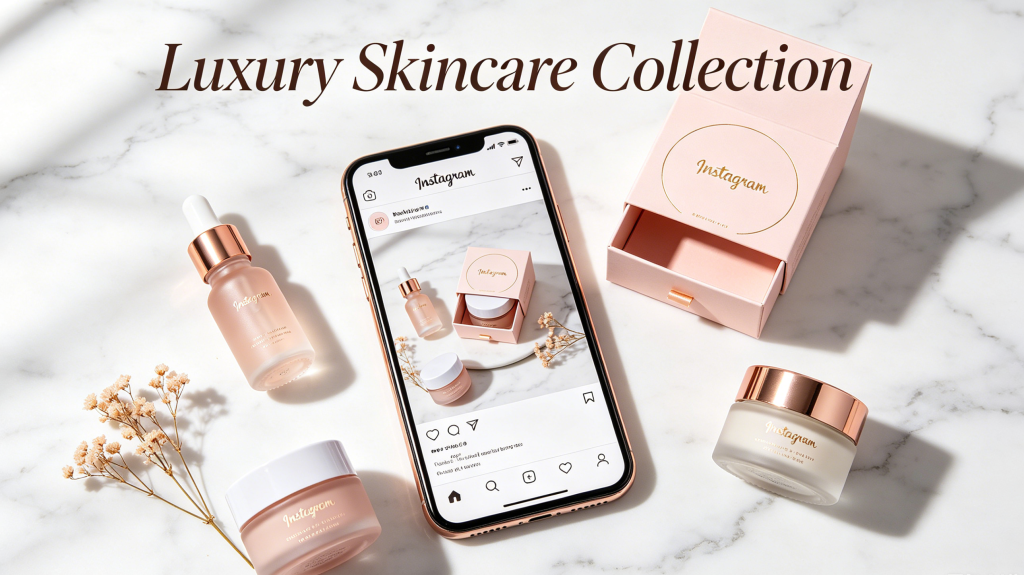
Beyond the private moment of unboxing, custom rigid boxes fuel loyalty through a distinctly modern phenomenon: social sharing. The rise of unboxing content on platforms like YouTube, Instagram, and TikTok has turned packaging from a disposable wrapper into performance art. Rigid boxes, with their clean lines, consistent rigidity, and photogenic surfaces, photograph exceptionally well against a marble countertop or a minimalist desk, inviting consumers to share their experience with followers. This user-generated content serves as peer-endorsed marketing that costs the brand nothing but earns immense credibility. When a customer posts an image of a beautifully constructed rigid box, they are not merely promoting a product; they are publicly aligning their identity with the brand. This public declaration reinforces their own loyalty while attracting new customers who seek that same sense of belonging. The packaging, in this sense, becomes a loyalty loop: a well-designed rigid box encourages social sharing, which deepens the sharer’s commitment while drawing in like-minded consumers who then experience the same premium unboxing, perpetuating the cycle.
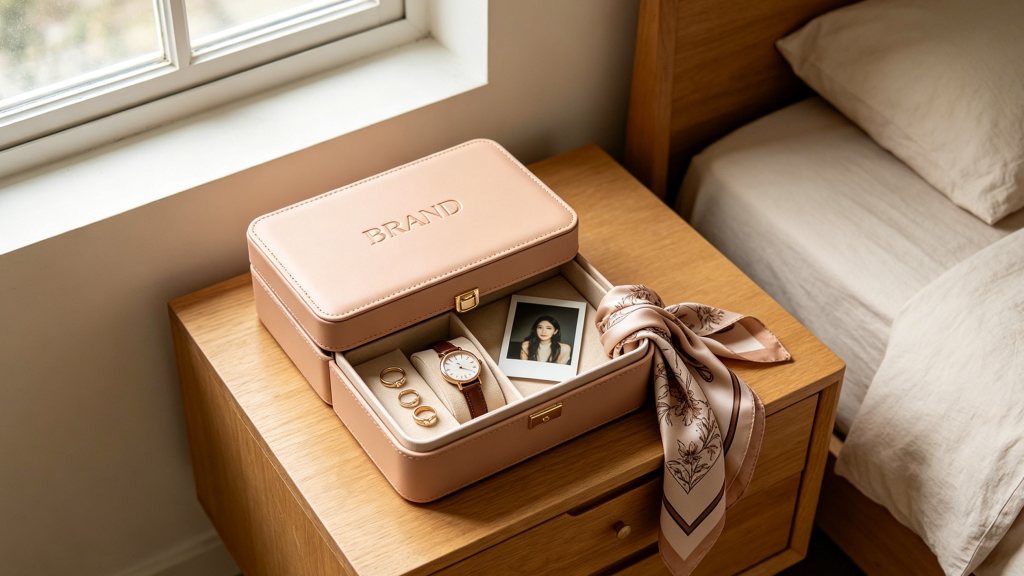
The impact of rigid box packaging on loyalty extends far past the initial transaction through the principle of extended brand presence. Unlike flexible mailers or thin folding cartons that are discarded immediately, a beautifully crafted rigid box often finds a second life in a customer’s home. It becomes a keepsake for storing jewelry, letters, or personal mementos. Every time the customer reaches for that box, the brand logo embossed on its lid flashes into their consciousness, reinforcing memory structures without any marketing expenditure. A study published in the Journal of Consumer Psychology suggests that when objects associated with a brand are integrated into a consumer’s daily rituals, the emotional bond with that brand strengthens considerably. A rigid box that sits on a dresser or shelf for months quietly generates hundreds of brand impressions in a context of personal intimacy, far more valuable than any retargeted ad. This persistent physical presence makes the brand a subtle part of the customer’s life, drastically increasing the likelihood of repeat purchases when the need for a refill, a new product, or a complementary purchase arises.
Sustainability further amplifies the retention power of rigid box packaging in the current market. Contemporary consumers, particularly those in the luxury and premium segments, increasingly evaluate brand loyalty through the lens of shared values. A rigid box constructed from FSC-certified paperboard, lined with recycled materials, and designed to be fully recyclable or reusable communicates a brand’s environmental commitment without sacrificing elegance. When customers see that a brand has managed to deliver a premium unboxing experience while adhering to responsible sourcing and waste reduction, their trust deepens. This trust is foundational to loyalty; it assures the customer that their repeated purchases are not contributing to environmental harm in a way that would cause cognitive dissonance. The durability of rigid boxes inherently supports reuse, aligning perfectly with the principles of a circular economy and giving customers an additional justification for their loyalty: by keeping and repurposing the box, they are participating in a shared mission with the brand.
Ultimately, the decision to invest in custom rigid box packaging is a decision to invest in customer lifetime value. The cost per box, when amortized over the number of repeat purchases it helps secure, becomes minimal compared to the alternative expense of constantly reacquiring lost customers through paid channels. Packaging is no longer just a logistical necessity; it is the physical handshake between a brand and its customer, the tangible proof of a relationship. Rigid boxes, with their inherent structural dignity, limitless customization potential, and capacity to generate post-purchase satisfaction, social validation, and prolonged brand exposure, represent one of the most underleveraged instruments for building unshakeable brand loyalty. In an era where customer attention is fragmented and competition is global, the box that arrives at a doorstep is not simply a vessel—it is the single most intimate and influential billboard a brand will ever own.