

International Shipping Considerations for Custom Rigid Box Orders
Custom rigid boxes are widely used in premium packaging for cosmetics, electronics, jewelry, and luxury goods due to their durability and high-end appearance. However, when it comes to international shipping, these packaging solutions require careful planning and consideration. From material selection to logistics optimization, every detail plays a crucial role in ensuring that custom rigid boxes arrive safely, cost-effectively, and in compliance with global regulations.
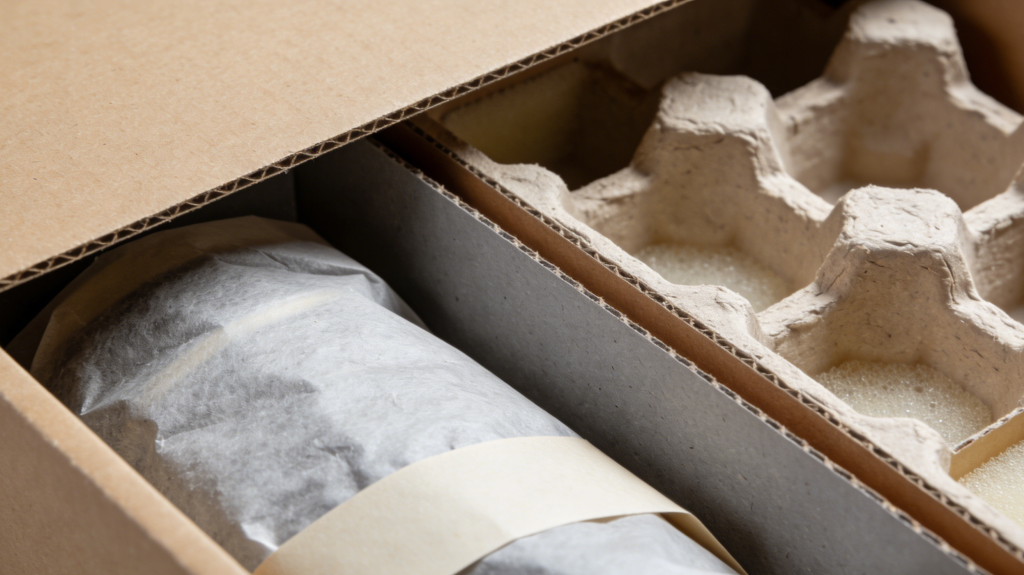
One of the most critical factors in international shipping is packaging durability. Rigid boxes are known for their sturdy structure, but they can still be susceptible to compression, moisture, and rough handling during long-distance transit. Shipping across continents often involves multiple handling points, including ports, warehouses, and customs inspections. To mitigate risks, manufacturers must ensure that rigid boxes are reinforced with high-quality chipboard and wrapped with durable outer materials. Protective outer cartons, such as double-wall corrugated boxes, are commonly used to safeguard rigid boxes during transportation.
Another important consideration is packaging size and weight. International shipping costs are heavily influenced by dimensional weight, meaning oversized packaging can significantly increase expenses. Custom rigid box designs should be optimized to minimize unnecessary bulk while still providing adequate protection for the product. Efficient structural design not only reduces shipping costs but also improves container utilization, allowing more units to be shipped per load.
Material compliance and environmental regulations are also essential when shipping globally. Different countries have specific requirements regarding packaging materials, especially those related to recyclability and chemical content. For example, certain regions enforce strict standards on heavy metals in inks and adhesives. Ensuring that custom rigid boxes meet international environmental certifications such as FSC or RoHS can help avoid customs delays and enhance brand credibility in global markets.
Humidity and climate conditions during transit must also be taken into account. Ocean freight, in particular, exposes packaging to fluctuating temperatures and high humidity levels, which can affect both the structural integrity and visual quality of rigid boxes. Warping, mold growth, or adhesive failure may occur if materials are not properly selected. To address this, moisture-resistant coatings, laminated paper, or desiccants can be incorporated into the packaging design to maintain product quality throughout the journey.
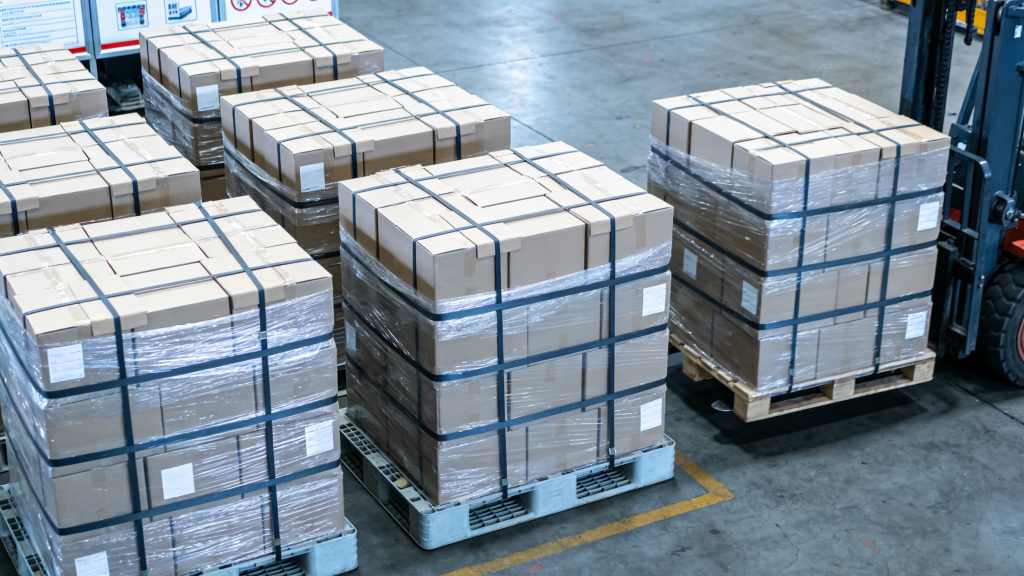
Logistics planning plays a vital role in the successful delivery of custom rigid box orders. Proper palletization and stacking methods are necessary to prevent crushing and deformation. Using standardized pallet sizes and securing shipments with stretch film or straps can enhance stability during transport. Additionally, clear labeling and documentation, including packing lists and shipping marks, help streamline customs clearance and reduce the risk of delays.
Another key aspect is lead time management. International orders for custom rigid boxes often involve production, quality inspection, and shipping stages that can take several weeks. Businesses must account for potential delays caused by customs inspections, port congestion, or unforeseen disruptions. Working with experienced packaging suppliers and logistics partners can help ensure accurate timelines and minimize supply chain uncertainties.
Cost efficiency is also a major concern for businesses engaging in international trade. While rigid boxes offer superior presentation, their higher production and shipping costs require careful budgeting. Bulk ordering, flat packing where possible, and optimizing packaging design can help reduce overall expenses. In some cases, partial assembly or collapsible rigid box designs may be considered to save space and lower freight costs without compromising quality.
Brand consistency across international markets is another important factor. Custom rigid boxes must maintain consistent color, printing quality, and structural integrity regardless of the destination. Variations in climate or handling conditions should not affect the brand image. High-quality printing techniques and protective finishes such as matte or gloss lamination can help preserve the visual appeal of the packaging throughout transit.
In conclusion, international shipping for custom rigid box orders involves a complex combination of design, material selection, compliance, and logistics planning. By addressing these considerations proactively, businesses can ensure that their packaging not only protects the product but also delivers a consistent and premium brand experience worldwide. Investing in well-designed custom rigid boxes that are optimized for global shipping can significantly enhance efficiency, reduce risks, and support long-term business growth.