

How to Reduce Packaging Costs Without Compromising Rigid Box Quality
In today’s highly competitive market, businesses are under constant pressure to control expenses while maintaining a premium brand image. Rigid boxes, known for their durability and luxurious appearance, are widely used in industries such as cosmetics, electronics, and gift packaging. However, many companies assume that high-quality rigid packaging must come with high costs. The reality is that with the right strategies, it is entirely possible to reduce packaging costs without compromising rigid box quality.
One of the most effective ways to achieve cost efficiency is through structural optimization. Rigid boxes are typically made from thick paperboard, but adjusting the thickness slightly—without affecting performance—can significantly lower material costs. Careful engineering ensures that the box retains its strength and protective function while using less raw material. This approach requires a deep understanding of product weight, shipping conditions, and stacking requirements, but when done correctly, it delivers both savings and reliability.
Another important factor is material selection. Not all premium-looking materials need to be expensive. Many cost-effective paper options can replicate the appearance of luxury finishes when combined with the right printing and surface treatments. For example, textured paper or specialty coatings can create a high-end feel without the need for costly substrates. Additionally, sourcing materials locally or in bulk can further reduce expenses while maintaining consistent quality.
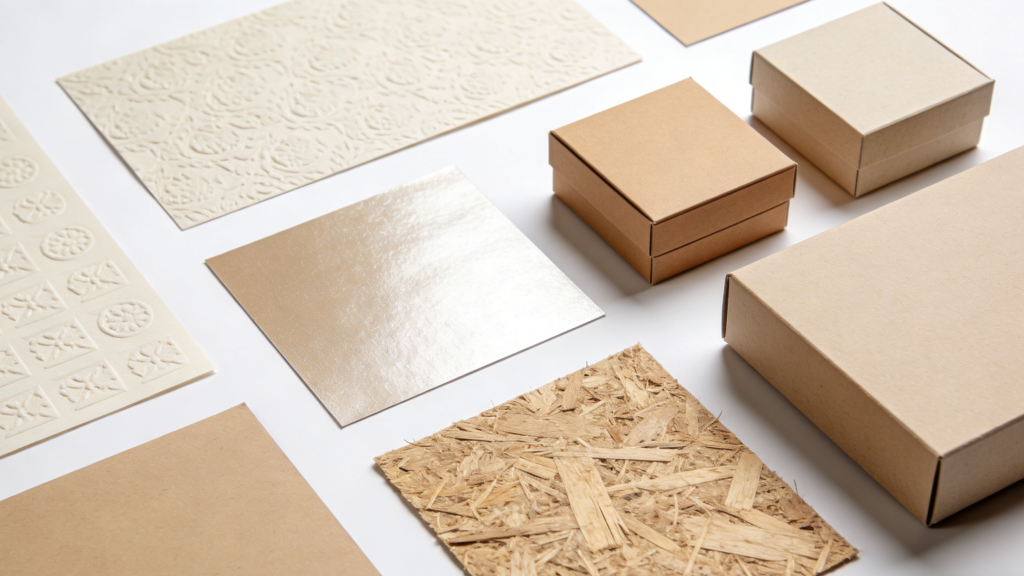
Printing techniques also play a key role in balancing cost and aesthetics. While processes such as foil stamping, embossing, and UV coating add visual appeal, overusing them can drive up production costs. A more strategic approach involves focusing on key design elements that highlight the brand identity while minimizing unnecessary embellishments. Clean, minimalist designs not only reduce printing complexity but also align with modern consumer preferences for simplicity and elegance.
Box design standardization is another effective strategy. Custom sizes and structures can increase tooling and production costs, especially for smaller order quantities. By standardizing certain dimensions or using modular designs, manufacturers can streamline production and reduce waste. This approach also improves efficiency in logistics and storage, contributing to overall cost savings across the supply chain.

Efficient packaging design should also consider transportation and shipping. Rigid boxes are typically not collapsible, which can increase shipping volume and costs. Designing boxes that optimize space utilization during transport can significantly reduce freight expenses. For example, adjusting dimensions to fit more units per carton or pallet can lead to substantial savings over time. In some cases, partially collapsible rigid box designs can be explored to balance structure and shipping efficiency.
Supplier collaboration is another crucial aspect. Working closely with an experienced packaging manufacturer can uncover opportunities for cost reduction that may not be immediately obvious. From material substitutions to production process improvements, a knowledgeable supplier can provide valuable insights and recommendations. Long-term partnerships often result in better pricing, improved consistency, and more flexible solutions tailored to specific business needs.
Sustainability is increasingly influencing packaging decisions, and it can also contribute to cost savings. Using recyclable materials, reducing excess packaging, and optimizing design for minimal waste not only support environmental goals but also lower production and disposal costs. Consumers are more likely to appreciate brands that demonstrate responsibility, making sustainable rigid boxes both a cost-effective and strategic choice.
Ultimately, reducing packaging costs without compromising rigid box quality requires a balanced approach that integrates design, materials, production, and logistics. By focusing on smart design decisions and efficient processes, businesses can achieve premium packaging that aligns with both budget constraints and brand expectations. High-quality rigid boxes do not have to be expensive; they simply need to be designed with purpose and precision.